
 1 hour ago
17
1 hour ago
17
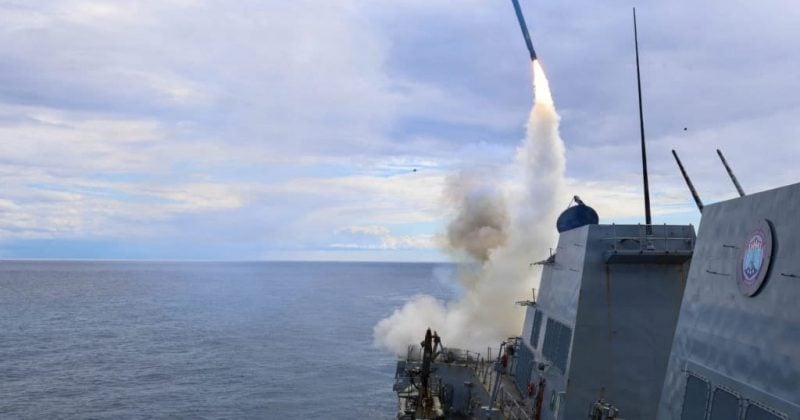
Iran’s Islamic Revolutionary Guard Corps launched a missile attack on the Harir Air Base in Iraq’s Kurdistan Region, a key stronghold for US forces. The IRGC claimed five missiles were fired in the operation, marking another sharp escalation in a conflict cycle that has kept crypto traders on edge for weeks.
The strike is not an isolated event. It fits into an alarming pattern of over 400 missile and drone strikes reported across Iraqi Kurdistan between February and March 2026, a tempo of military activity that has rattled energy markets and, by extension, every risk asset class within reach, including crypto.
What happened in the markets
Bitcoin dropped to around $63,000 in the hours following the attack before rebounding above $67,000 as traders recalibrated. That’s roughly a 6% swing in a matter of hours, the kind of move that turns leveraged positions into liquidation receipts.
Liquidations in tokenized oil futures reached approximately $40 million as crude prices surged on supply disruption fears.
A pattern of escalation
During one particularly intense 72-hour window in late February to early March, more than 70 projectiles targeted Erbil alone. Air operations at Erbil’s airport were temporarily halted, a move that disrupted logistics across the entire Kurdistan Region.
Rocket attacks on Erbil in 2021 and a lethal Iranian missile strike in January 2024 that killed four civilians near the city both preceded periods of elevated volatility in both traditional and crypto markets.
The continued assaults have persisted into April 2026 despite ongoing ceasefire discussions.
What this means for crypto investors
The $40 million in tokenized oil futures liquidations demonstrates that DeFi markets are now deeply enough connected to real-world commodities that a missile strike in Kurdistan can trigger cascading liquidations on-chain.
For Bitcoin specifically, the $63,000 to $67,000 range suggests a market that is nervous but not panicked. The rebound indicates underlying demand willing to buy the dip, but the speed of the initial sell-off means leveraged long positions remain vulnerable to the next headline.
Disclosure: This article was edited by Editorial Team. For more information on how we create and review content, see our Editorial Policy.








 English (US) ·