
 6 hours ago
33
6 hours ago
33
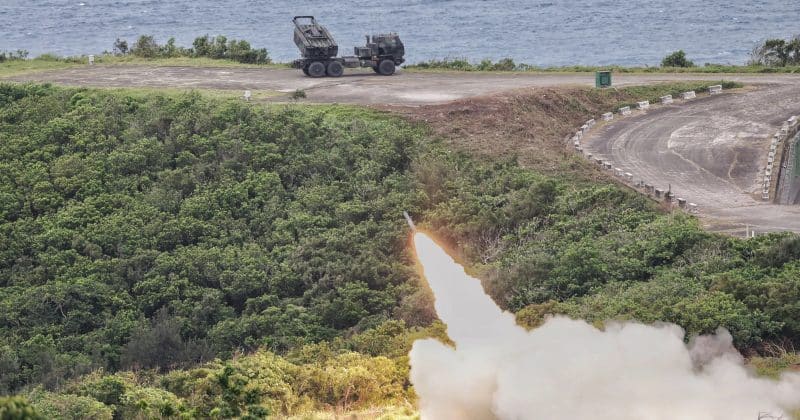
Iran’s Islamic Revolutionary Guard Corps says it launched a new generation of missiles at the Al-Azraq Air Base in Jordan, a facility the IRGC has labeled a hub for American military operations. Jordan’s military intercepted five of those missiles, continuing a pattern of largely effective air defense that has kept casualties at zero across multiple incidents.
The strikes, which the IRGC framed as retaliation against coalition activities in the region, are part of a broader Iranian escalation that saw 59 drones and 60 missiles directed at Jordan over a three-week period. For crypto investors, the relevant subplot is this: approximately $10.3 million in digital asset outflows were tracked from Iranian wallets between February 28 and March 2, coinciding with the initial wave of attacks.
What happened at Al-Azraq
The IRGC’s March 8 strike was the headline event. The corps claimed it deployed next-generation missiles against the base, which hosts US military personnel and has served as a launchpad for American operations in the region. Jordanian forces intercepted the incoming threats, and damage was described as lower than expected given the scale of the assault.
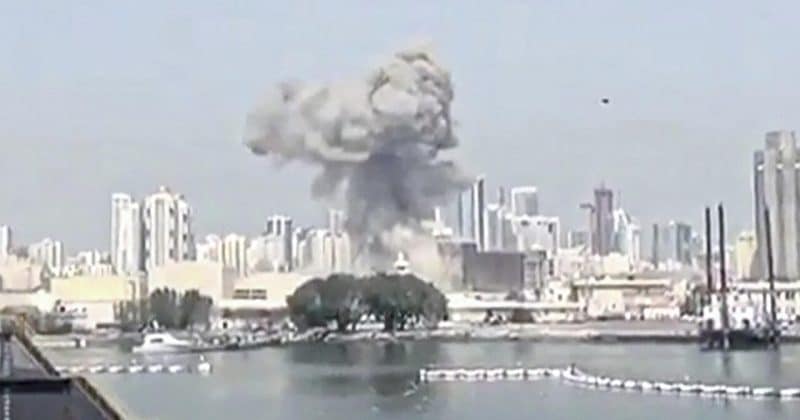
Two days later, on March 10, ballistic missiles struck a building at Al-Azraq that housed German military contingents. No injuries were reported from that incident either, though the fact that allied forces were hit, even without casualties, ratcheted up diplomatic pressure across NATO capitals.
The IRGC’s playbook here is familiar. Think of it as the same strategic template Iran used in January 2020, when it launched ballistic missiles at the Ain al-Asad air base in Iraq following the US assassination of General Qasem Soleimani. The goal then, as now, appears to be demonstrating reach and capability while calibrating the strikes to avoid the kind of mass casualties that would force an all-out military response.
Jordanian air defenses have been the unsung hero of this chapter. Across dozens of intercepts during the escalation period, the kingdom’s military prevented any significant destruction of the base’s core infrastructure. Researchers who tracked the engagements noted that damage to military installations was consistently lower than what the volume of incoming fire would suggest.
The crypto connection
During the opening days of Iran’s escalation, roughly $10.3 million in crypto assets moved out of wallets attributed to Iranian entities. The timing, between February 28 and March 2, aligned precisely with the first wave of strikes. The pattern is consistent with what analysts have observed for years: sanctioned nations and their proxies using digital assets to move value outside the reach of traditional financial rails.
Meanwhile, broader crypto markets felt the geopolitical anxiety. Bitcoin and Ethereum both experienced heightened volatility as the conflict unfolded, with quick price swings that created short-term trading windows. No direct correlation has been established between specific token movements and the Al-Azraq attacks themselves.
What this means for investors
The $10.3 million in Iranian crypto outflows is a number worth watching in context, not because it’s large (it’s a rounding error in a multi-trillion-dollar market), but because it signals ongoing use of digital assets by sanctioned entities during active conflict. If regulators use this as ammunition to push for tighter compliance requirements on exchanges and DeFi protocols, the policy fallout could outlast the military conflict itself.
Disclosure: This article was edited by Editorial Team. For more information on how we create and review content, see our Editorial Policy.






 English (US) ·