
 1 hour ago
23
1 hour ago
23
Mohammad Mokhber, senior adviser to Iran’s Supreme Leader, issued a stark warning: energy flows from the Middle East will remain stopped unless the United States follows through on its negotiation agreement. The statement lands at a moment when global oil markets, and every asset class downstream of them, are watching the Strait of Hormuz like a hawk.
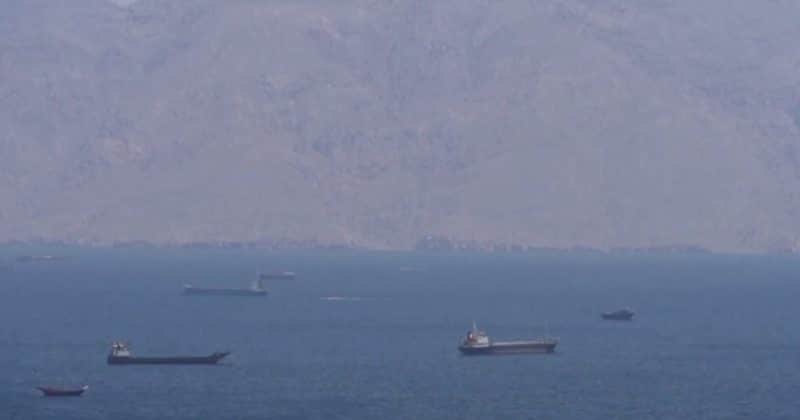
The Strait of Hormuz handles roughly 20% of the world’s oil supply. When someone with Mokhber’s proximity to Iran’s top leadership says the taps stay off, it’s not a bluff you can afford to ignore.
What Iran is actually saying
Mokhber’s language was deliberately escalatory. He compared Iran’s control over the Strait of Hormuz to an “atomic bomb,” a metaphor designed to remind Washington and its allies just how much leverage Tehran believes it holds over global energy infrastructure.
The backdrop to this threat is a series of US-Iran negotiations that reportedly produced an interim agreement around early June 2026. A proposed 60-day window for further talks was established, with signing references noted around June 19, 2026. The conditions for reopening energy routes center on two familiar sticking points: sanctions relief and discussions surrounding Iran’s nuclear program.
The fact that Mokhber chose to publicly frame the situation as energy flows “staying stopped” rather than “potentially being disrupted” suggests Iran views the current state of affairs as one where it already has the upper hand.
Why the Strait of Hormuz matters to everyone
One-fifth of all oil transported globally passes through the Strait of Hormuz. Any sustained disruption to this corridor creates cascading problems: oil prices spike, transportation costs rise, and inflation pressures build across economies already struggling to contain them.
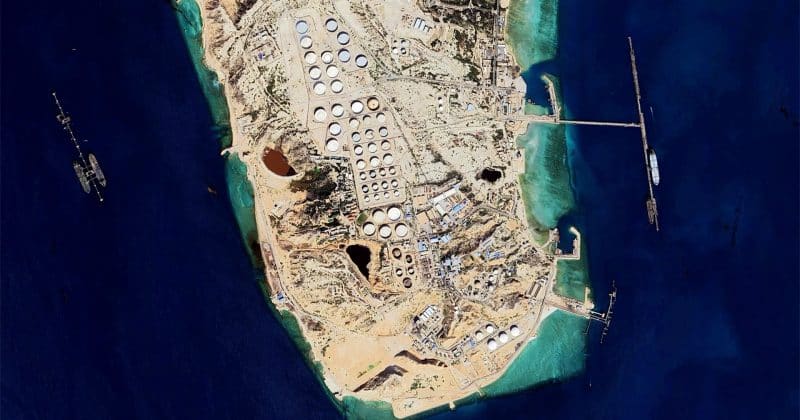
The US naval presence in the region has been a factor in recent months, with reports of a blockade targeting Iranian ports adding another layer of tension to an already volatile situation. Mokhber’s warning can be read as a direct response to that pressure, essentially telling Washington that military posturing won’t resolve the standoff without diplomatic follow-through.
What this means for crypto and broader markets
There is no direct line being drawn between these negotiations and cryptocurrency markets. As of the latest reports, there continue to be no links drawn between this geopolitical tension and the cryptocurrency space.
The indirect mechanism works as follows: sustained oil disruptions push energy prices higher, feeding into inflation, which changes the calculus for central banks on monetary policy. Monetary policy decisions are a significant macro driver of capital flows into risk assets like Bitcoin and Ethereum.
Traders should be watching two things closely. First, any concrete progress on the 60-day negotiation timeline. If that window closes without implementation, Mokhber’s threat becomes harder to dismiss as posturing. Second, oil price movements in response to these developments, as a sustained move higher in Brent crude would signal that markets are pricing in a longer disruption.
Disclosure: This article was edited by Editorial Team. For more information on how we create and review content, see our Editorial Policy.






 English (US) ·