
 1 hour ago
24
1 hour ago
24
Iranian President Masoud Pezeshkian has returned to Tehran following US military strikes on southern Iran. His return is being read in diplomatic circles as a signal about what comes next.
The strikes targeted areas near Sirik and the Strait of Hormuz. Roughly 20% of the world’s seaborne oil passes through the strait.
How we got here
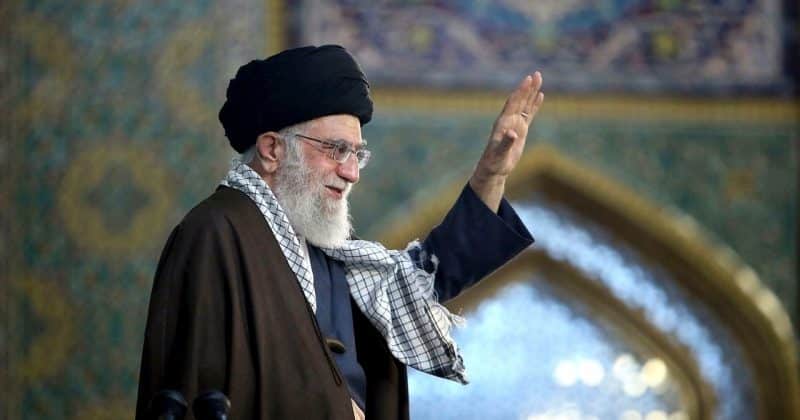
The current conflict traces back to February 28, 2026, when US-Israeli operations launched nearly 900 strikes in the initial hours alone. The situation escalated further on March 1, 2026, with the assassination of Supreme Leader Ali Khamenei.
Pezeshkian has called for national unity and engaged with interim leadership structures following Khamenei’s death, while simultaneously pursuing diplomatic channels.
On June 17 and 18, 2026, Pezeshkian put forward a peace framework through a formal memorandum addressing ceasefires and maritime security in the Strait of Hormuz.
What this means for crypto markets
During escalations in 2025 and into early 2026, Bitcoin dropped over 4% as tensions spiked, with liquidations across crypto markets surpassing $1 billion in a single wave.
When Pezeshkian sent de-escalation signals through diplomatic channels, Bitcoin rallied toward $67,800 alongside broader equity market gains.
If maritime tensions escalate to the point of supply disruption, the resulting oil price spike would feed into inflation and compress liquidity conditions. Any credible ceasefire framework, particularly one that addresses maritime security as Pezeshkian’s June memorandum did, could unlock a relief rally across risk assets.
Disclosure: This article was edited by Editorial Team. For more information on how we create and review content, see our Editorial Policy.






 English (US) ·