
 2 months ago
56
2 months ago
56
- Iran’s new “Hormuz Safe” initiative aims to use Bitcoin for ship passage payments through the Strait of Hormuz
- The program could reportedly generate around $10 million in revenue for the country
- The move highlights how sanctioned nations are increasingly exploring crypto to bypass the U.S. dollar system
Iran is reportedly expanding its use of Bitcoin as part of a new initiative called “Hormuz Safe,” a program designed to facilitate maritime trade and safe ship passage through the Strait of Hormuz using BTC-based payments.
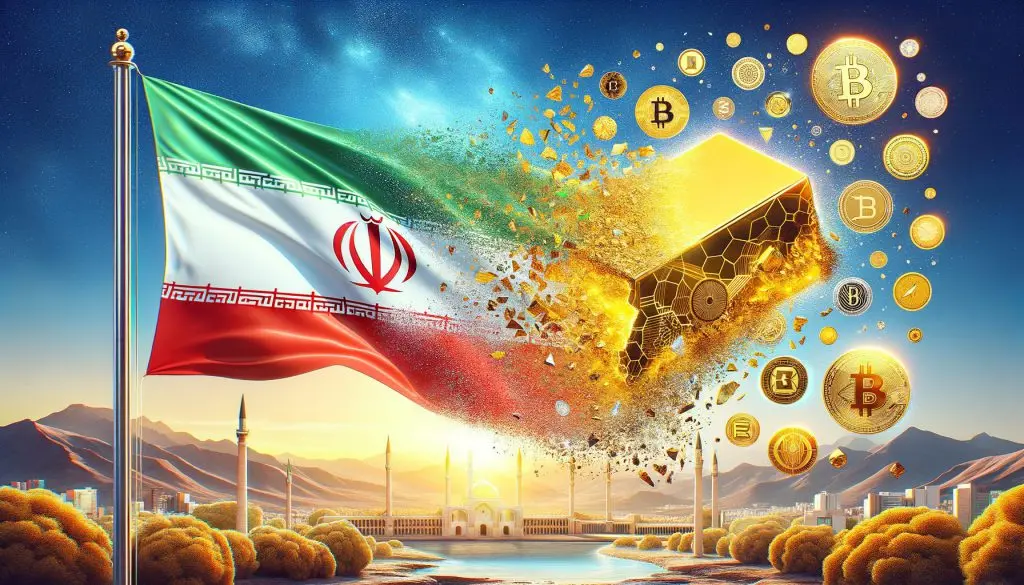
The development arrives as tensions between the United States and Iran continue escalating, while global discussions around sanctions, alternative settlement systems, and dollar dominance intensify.
Why Iran Is Turning to Bitcoin
Iran’s growing interest in Bitcoin is largely tied to years of financial isolation from the U.S.-dominated global banking system. Western sanctions have significantly limited the country’s access to dollar-based international trade infrastructure, forcing Iran to explore alternative settlement methods.
According to crypto research firm CoinShares, Bitcoin adoption inside Iran has expanded rapidly over recent years. Roughly 14 million Iranians are now estimated to use Bitcoin in some form, representing nearly one in six citizens. Transaction volumes tied to crypto activity reportedly account for around 2.2% of the country’s GDP.
The Hormuz Safe initiative appears to be another step in that broader strategy of using decentralized digital assets to reduce dependence on traditional financial rails controlled by the United States and its allies.
Sanctioned Nations Are Looking Beyond the Dollar
Iran is not alone in moving this direction. Countries facing Western sanctions — including Russia and North Korea — have increasingly explored cryptocurrencies, stablecoins, and alternative payment systems to bypass restrictions tied to the global dollar settlement network.
Analysts say Bitcoin’s decentralized structure makes it attractive for countries seeking financial systems outside direct U.S. influence. In theory, crypto payments can reduce reliance on intermediary banks, SWIFT infrastructure, and dollar-clearing systems vulnerable to sanctions enforcement.
That broader geopolitical shift is becoming one of the most important long-term narratives surrounding Bitcoin’s global role.
Bitcoin Still Has Major Limitations
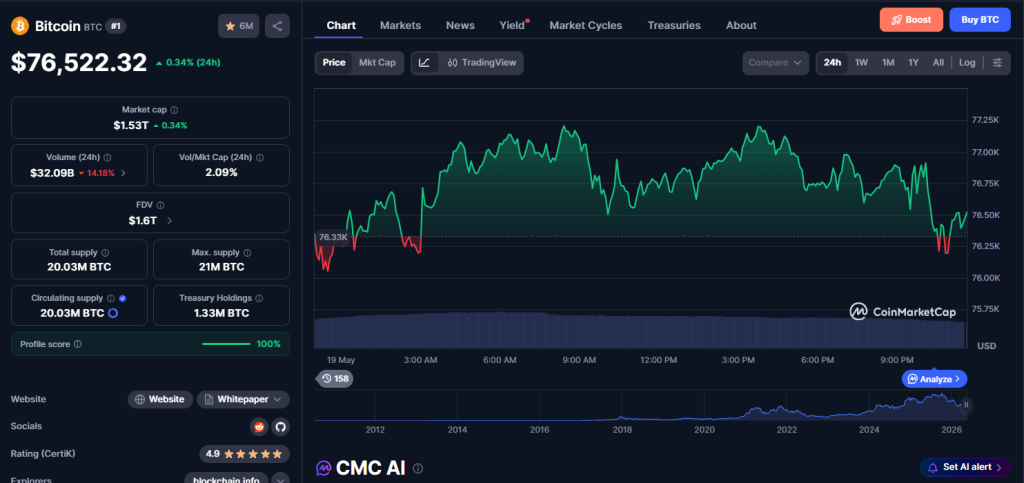
At the same time, Bitcoin is far from replacing the U.S. dollar in any practical sense. BTC remains highly volatile, with price swings capable of dramatically affecting transaction values, reserves, and settlement stability within short periods of time.
The U.S. dollar still dominates global trade largely because of its unmatched liquidity, stability, and integration into international finance. While Bitcoin can provide alternative rails under sanctions pressure, it does not yet offer the same level of reliability or scale required for mainstream global settlement infrastructure.
The Bigger Signal Matters More
Even if Bitcoin never fully replaces the dollar, Iran’s move highlights a growing trend: countries under economic pressure are increasingly experimenting with crypto-based financial systems as geopolitical tools.
The more sanctions reshape global finance, the more governments may continue exploring decentralized alternatives — not necessarily because crypto is perfect, but because access to traditional systems is becoming politically conditional.
For Bitcoin, that keeps strengthening its role as both a financial asset and a geopolitical instrument inside an increasingly fragmented global economy.
Disclaimer: BlockNews provides independent reporting on crypto, blockchain, and digital finance. All content is for informational purposes only and does not constitute financial advice. Readers should do their own research before making investment decisions. Some articles may use AI tools to assist in drafting, but every piece is reviewed and edited by our editorial team of experienced crypto writers and analysts before publication.






 English (US) ·