
 1 hour ago
20
1 hour ago
20
The US and Iran signed a memorandum of understanding on June 17 calling for an immediate halt to military operations across multiple fronts, with Lebanon at the center of the agreement. The deal, brokered during talks in Switzerland, creates a joint committee composed of representatives from the US, Iran, and Lebanon tasked with monitoring the cessation of violence on the ground.
What the deal actually includes
The MOU establishes a “de-confliction cell,” a body of US, Iranian, and Lebanese representatives designed to oversee the wind-down of hostilities in real time.
Alongside the cell, a High Level Committee will be formed to manage the broader mediation process. Chief negotiators are expected to report on both nuclear issues and sanctions as part of the committee’s mandate.
A 14-point framework accompanies the agreement. Among its provisions: toll-free access to the Strait of Hormuz for at least 60 days, sanctions relief tied to Iranian oil exports, and plans for the release of frozen Iranian assets.
Mediators Pakistan and Qatar announced progress in the Switzerland negotiations, with expectations that a comprehensive deal could be finalized within 60 days.
Iran’s Foreign Minister has stated publicly that ending the war in Lebanon is critical, but Tehran has attached a major condition: any further diplomatic progress is conditioned on an Israeli withdrawal from occupied territories in southern Lebanon.
The Israel problem
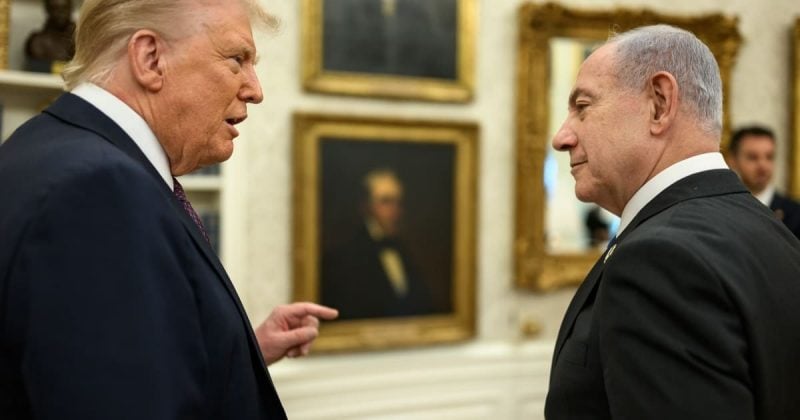
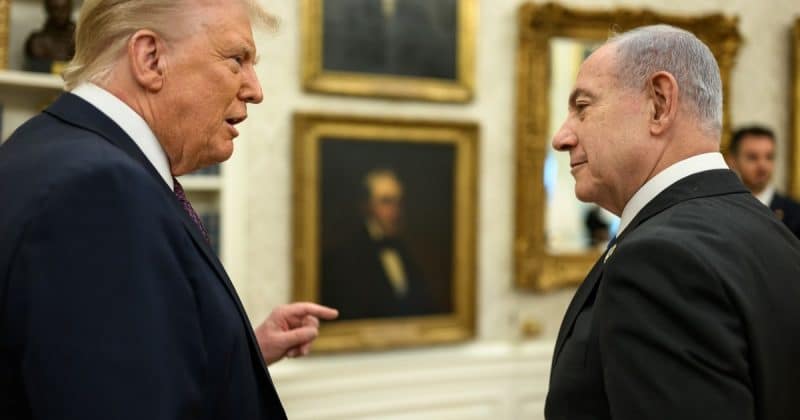
Israel is not a signatory to this agreement, and its military operations in southern Lebanon have continued despite the diplomatic momentum. Ongoing Israeli strikes have already caused postponements in the Switzerland talks.
Lebanon’s sovereignty and territorial integrity are explicitly referenced in the MOU’s text.
What this means for markets and investors
The Strait of Hormuz provision signals how deeply energy markets are embedded in this negotiation. Roughly a fifth of the world’s oil passes through that chokepoint, so 60 days of guaranteed toll-free access is a direct attempt to keep global energy flows stable while diplomats hash out the bigger picture.
Sanctions relief on Iranian oil exports could meaningfully increase global supply. More Iranian barrels hitting the market would put downward pressure on crude prices, which cascades into transportation costs and inflation expectations.
Iran’s banking sector has long been partially isolated from the global financial system, and any reopening creates opportunities for alternative payment rails, including blockchain-based transaction infrastructure in regions where traditional banking channels have been limited by years of financial restrictions.
The 60-day timeline for a comprehensive deal means markets will be watching Switzerland closely through the summer. Each postponement or setback in negotiations, particularly if driven by continued Israeli military activity, could whipsaw energy prices and regional risk premiums.
Disclosure: This article was edited by Editorial Team. For more information on how we create and review content, see our Editorial Policy.




 English (US) ·