
 1 hour ago
22
1 hour ago
22
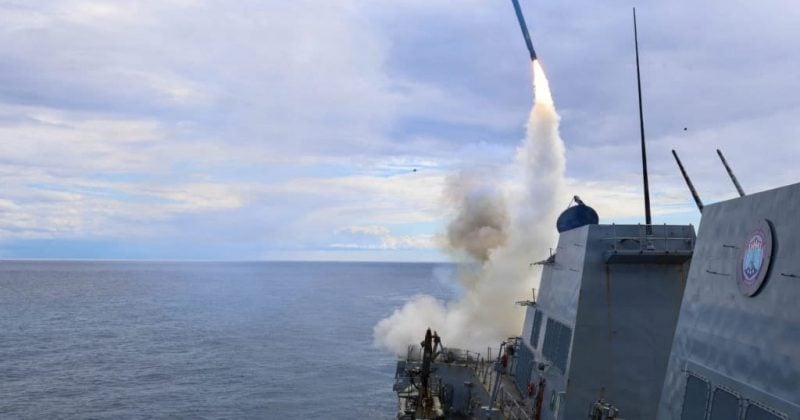
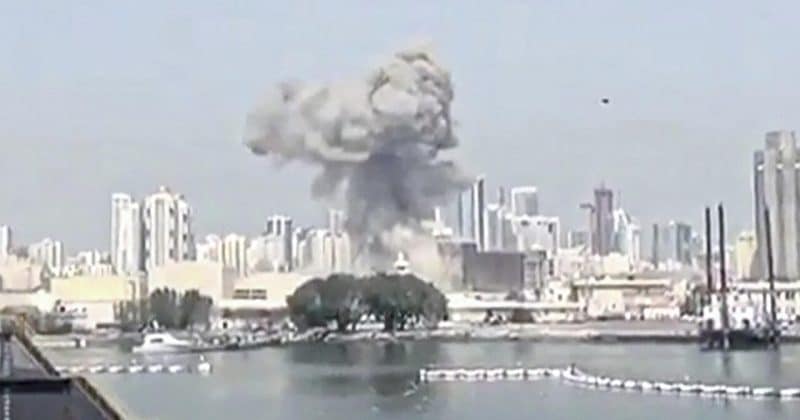
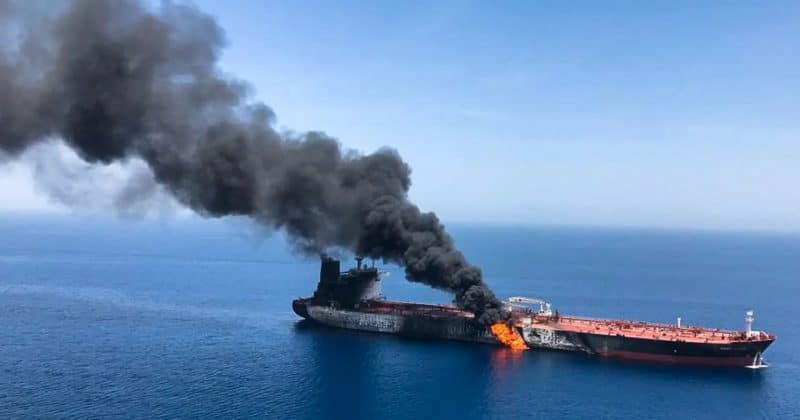
Iranian armed forces launched cruise missiles and drones at US warships near the Strait of Hormuz on May 4, marking a dramatic escalation in the ongoing US-Iran conflict. US Central Command reported that all incoming projectiles were intercepted, with no damage to American or commercial vessels.
That’s the military headline. The crypto headline is arguably stranger: Iran is reportedly building a Bitcoin-settled maritime insurance platform called “Hormuz Safe,” designed to collect transit fees from oil tankers passing through the strait.
What happened in the strait
US forces intercepted the barrage of missiles and drones without sustaining casualties. The Navy also sank six Iranian speedboats during the engagement using Apache helicopters.
Iran later confirmed it had conducted large-scale missile and drone attacks targeting US destroyers in the area.
The Strait of Hormuz is responsible for nearly 20% of the world’s oil transit. It’s a narrow channel between Iran and Oman that connects the Persian Gulf to the open ocean.
Iran’s Bitcoin insurance gambit
In April 2026, reports surfaced that Iran had proposed collecting approximately $1 per barrel in transit fees from oil tankers passing through the Strait of Hormuz, payable in Bitcoin. The initiative, dubbed “Hormuz Safe,” is reportedly designed as a maritime insurance platform that could generate up to $10 billion in revenue.
Traditional financial systems are largely closed off to Iran due to international sanctions. SWIFT transfers are blocked. Dollar-denominated transactions are monitored and restricted. Bitcoin operates outside that infrastructure, making it a natural workaround for a sanctioned state looking to collect tolls on global commerce.
What this means for crypto markets
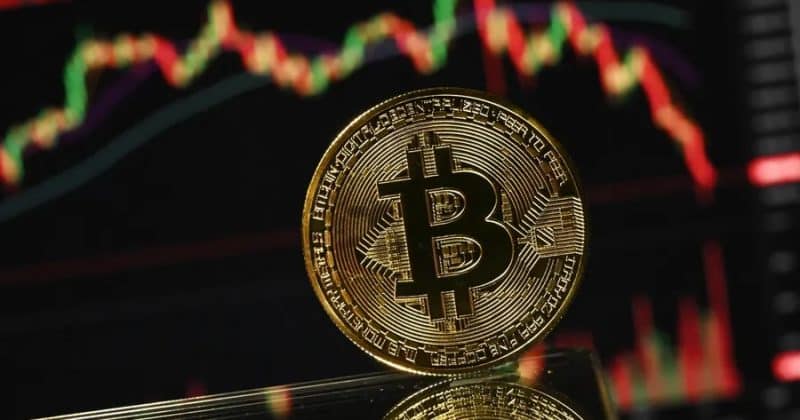
Bitcoin’s price action in the wake of the Hormuz strikes followed a pattern that’s become familiar during geopolitical crises: initial volatility and a dip below key support levels.
If “Hormuz Safe” gains any traction, it would create a new source of sustained BTC demand tied to physical oil flows. Nearly 20% of the world’s oil passes through that strait. Even a fraction of those tankers paying transit fees in Bitcoin would represent meaningful buy pressure.
US regulators and OFAC, the Office of Foreign Assets Control, would almost certainly classify any participation in an Iranian Bitcoin insurance scheme as a sanctions violation. That could trigger new compliance crackdowns on exchanges, mixers, and any infrastructure perceived as facilitating Iranian access to crypto markets.
Disclosure: This article was edited by Editorial Team. For more information on how we create and review content, see our Editorial Policy.




 English (US) ·