
 1 hour ago
23
1 hour ago
23
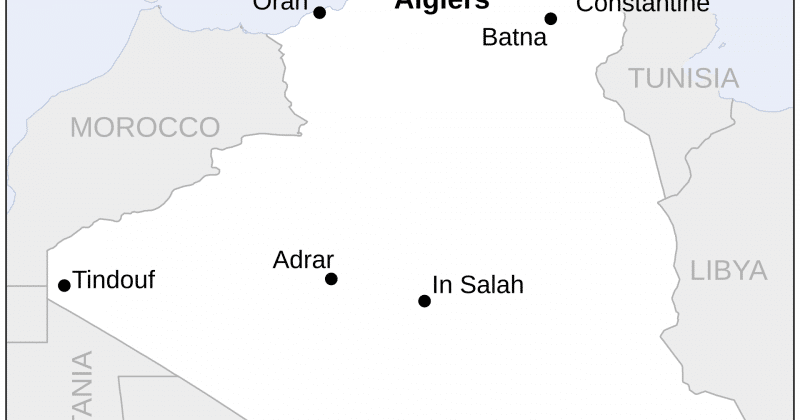
Israel and Lebanon signed a US-brokered framework agreement in Washington on June 26, with a central condition that would have seemed redundant a few years ago: Israel will only pull its forces from southern Lebanon after Hezbollah has been removed from the area.
The agreement calls for Israel to initially withdraw from two small “pilot zones” in southern Lebanon, handing control to the Lebanese Armed Forces. Any broader withdrawal from the southern region depends entirely on Hezbollah disarming and dismantling its military infrastructure. US Secretary of State Marco Rubio announced the deal, framing it as a build on the 2024 ceasefire that did not hold up well.
Hezbollah says no, markets say maybe not
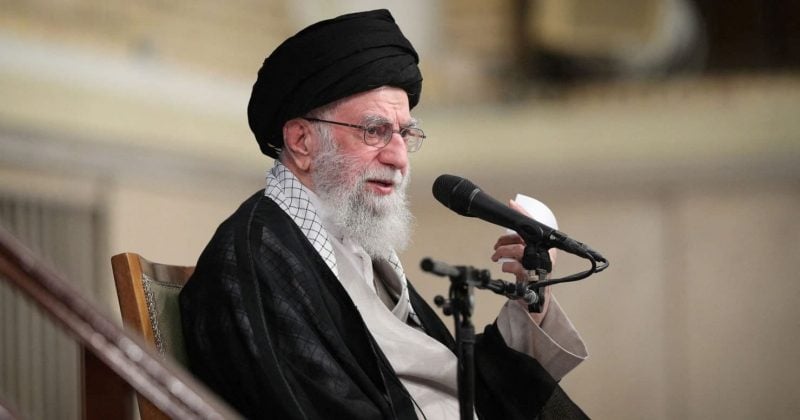
Hezbollah leader Naim Qassem rejected the agreement on June 27, calling it a “surrender.” Israeli Prime Minister Benjamin Netanyahu struck a different tone, describing the deal as preserving Israeli security until threats are eliminated.
Prediction markets tracking the odds of permanent peace in the region by late June 2026 have placed probabilities between 1.8% and 4.2%.
Bitcoin dips below $80K as uncertainty spreads
Bitcoin dropped below $80,000 following the announcement and surrounding regional escalations. The 2024 ceasefire’s implementation stalled due to renewed hostilities, which is precisely what forced the US back to the negotiating table.
Lebanon has seen growing stablecoin adoption in recent years, largely as a hedge against its collapsing banking system and volatile currency. Lebanese residents have used dollar-pegged stablecoins as a way to preserve purchasing power when traditional financial infrastructure becomes unreliable. No major crypto-native protocols or DeFi platforms have launched products specifically tied to these developments.
What this means for investors
Bitcoin’s drop below $80,000, stacked alongside the prediction market probabilities of 1.8% to 4.2% and Hezbollah’s immediate rejection, creates a picture of an agreement that markets view as fragile at best.
If this framework collapses, expect renewed interest in dollar-denominated digital assets from Lebanese users. Issuers that can demonstrate reliable access in conflict zones and sanctions-adjacent economies stand to capture meaningful market share.
Disclosure: This article was edited by Editorial Team. For more information on how we create and review content, see our Editorial Policy.





 English (US) ·