
 4 months ago
62
4 months ago
62
TaxesPublished:Apr 7, 2026, 2:30 AM
Japan is moving from a punitive miscellaneous income tax of up to 55% to a flat 20.315% separate taxation regime, aligning crypto with traditional stocks. The reform introduces a three-year loss carryforward, allowing traders to offset gains against past losses, a major step toward treating crypto as a standard financial instrument.
Published: Apr 7, 2026, 2:30 AM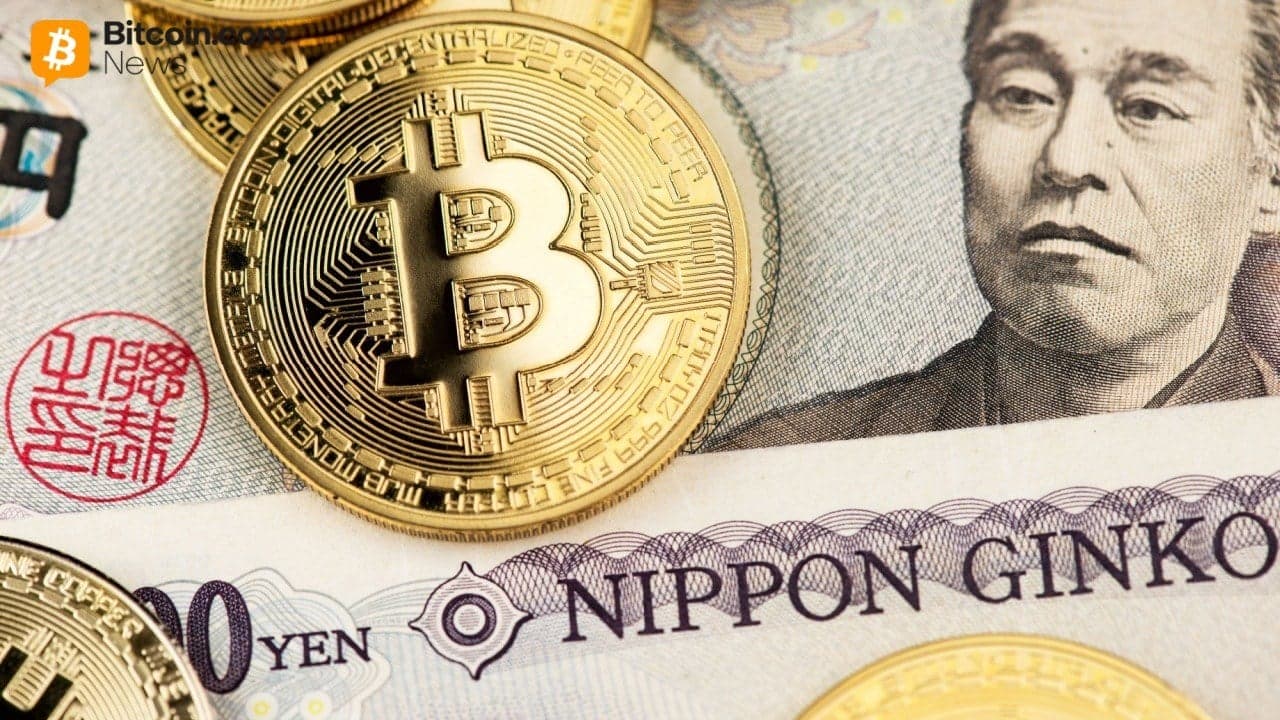
Key Takeaways:
- On March 31, the Diet passed a stopgap budget that keeps the proposal to reduce crypto tax from 55% to 20% flat tax to stop the Web3 exodus to Dubai.
- While the proposal has hailed critics say the slow 2028 timeline hinders bitcoin ETFs.
- Japan will enforce the FIEA update on Jan. 1, 2028, testing the industry during a 2-year transition.
Criticism of the ‘Slow Pace’
Japan’s cryptocurrency sector is navigating a complex transition following landmark tax reforms finalized March 31, as industry leaders temper their celebration with frustration over a multiyear implementation delay. While the legislative package officially moves digital assets toward a 20% flat tax and eliminates the “startup killer” tax on corporate unrealized gains, the full benefits for individual investors may not materialize until 2028.
The reform package introduces a bifurcated timeline that has created a sense of “hurry up and wait” within the domestic market. Effective for the fiscal year beginning April 1, 2026, Japanese companies are exempt from paying taxes on the market value of long-term crypto holdings at the end of the year. The move is expected to halt the exodus of Web3 startups to tax havens such as Dubai and Singapore.
However, for individual traders, the move from the punitive 55% miscellaneous income tax to a 20.315% separate taxation regime is tied to future amendments of the Financial Instruments and Exchange Act (FIEA). Current projections suggest this transition will not be fully enforced until Jan. 1, 2028.
This delay has previously drawn sharp criticism from Japan’s financial giants and advocacy groups. Industry leaders argued the deferred timeline leaves Japan at a competitive disadvantage compared to the U.S. and other Asian hubs that have moved more aggressively to institutionalize digital assets. While the policy direction is correct, critics lament the slow pace of the FIEA enforcement date. They argue the timeline hinders the launch of crypto-linked investment products, such as bitcoin exchange-traded funds (ETFs).
The ‘Specified Crypto’ Guardrails
Meanwhile, legal experts and market analysts quoted in one local report point out that the 20% flat rate will not be a universal catch-all. The tax relief is strictly designed to channel activity toward regulated domestic infrastructure. To qualify for the lower rate, assets must be categorized as “specified crypto assets,” essentially those listed on and traded through Japanese licensed exchanges. Profits generated through offshore platforms or decentralized finance ( DeFi) protocols are expected to remain under the old, higher tax brackets.
Despite the implementation lag, the proposed tax reforms have already altered market sentiment. The introduction of a three-year loss carryforward provision, allowing traders to offset current gains against past losses, is being viewed as a critical step in normalizing crypto as a standard financial instrument. Simultaneously, real estate firms in Tokyo and Osaka have reported a surge in interest from crypto-wealthy individuals looking to diversify, as the clear end date for the 55% tax rate encourages investors to move capital back into the Japanese ecosystem.
The consensus among Tokyo’s financial elite is that Japan has successfully passed its most difficult legislative hurdle. However, the period between April 2026 and January 2028 will be a test of patience for the industry. As one local analyst noted, the “golden cage” has been built and the tax exit is finally visible, but the industry must now survive the next two years of transition before Japan can truly claim its title as a global Web3 leader.





 English (US) ·