
 1 hour ago
14
1 hour ago
14
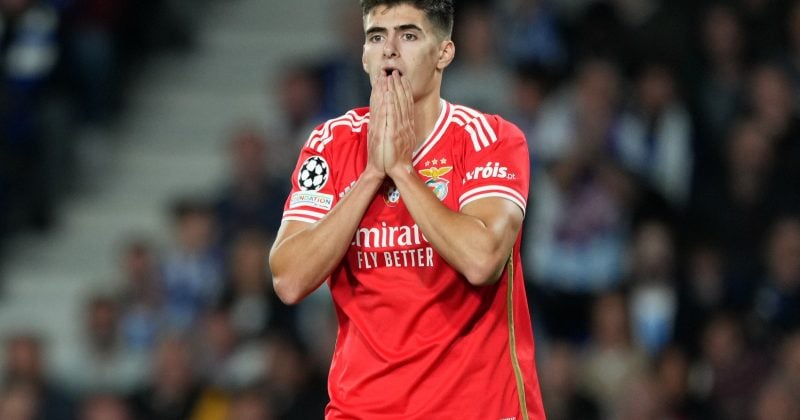
Karmine Corp, the LEC’s second seed, will square off against T1 on June 29 in the MSI 2026 Play-In stage in Daejeon, South Korea. It’s the French organization’s first-ever appearance at the Mid-Season Invitational, and they drew what might be the toughest possible opening opponent: the team with Faker on its roster.
T1 arrives fresh off a 3-0 sweep of Team Liquid Alienware on June 28, the tournament’s opening day. Karmine Corp earned its spot with a similarly dominant 3-0 victory over Movistar KOI back on June 6 during the LEC Spring split.
What’s actually at stake in Daejeon
MSI 2026 runs from June 28 to July 12, and the Play-In stage is where lower-seeded teams from major regions and representatives from smaller leagues fight for survival.
KC has built one of the most passionate fanbases in European esports since its founding in 2020. The organization has sold over 40,000 jerseys, a number that speaks to a brand identity that extends well beyond competitive results.
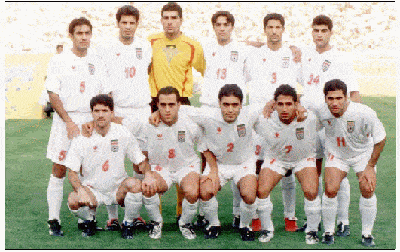
Karmine Corp’s roster features top laner Canna, jungler Yike, mid laner kyeahoo, bot laner Caliste, and support Busio. T1, meanwhile, fields Faker and Oner.
The prediction market angle
Polymarket, the crypto-funded prediction market platform, offers trading on match outcomes for events like MSI. That means the KC vs. T1 matchup isn’t just something fans watch. It’s something traders can take positions on.
T1 is widely expected to advance, which likely means prediction market contracts pricing a KC upset are trading at a discount. If T1 “yes” contracts are trading at, say, 80 cents on the dollar, the market is assigning roughly an 80% chance T1 wins. If KC pulls off an upset, anyone holding KC “yes” contracts bought cheaply would see a significant return.
Traditional sportsbooks have offered esports betting for years, but blockchain-based prediction markets operate without intermediaries, with settlement handled on-chain.
What this means for the esports-crypto intersection
Neither Karmine Corp nor T1 has a direct cryptocurrency partnership tied to this event. Riot Games, the tournament organizer, hasn’t integrated blockchain technology into MSI’s infrastructure.
The last crypto-esports cycle, roughly 2021-2022, was defined by sponsorship deals and token launches that often felt forced. Teams slapped exchange logos on jerseys. Fan tokens launched with hype and faded with interest.
Polymarket’s esports markets remain a small fraction of its overall volume, which is still dominated by political and macroeconomic contracts. Polymarket’s growth through 2024 and 2025 proved that people will use blockchain rails when the product offers something traditional alternatives don’t, namely censorship resistance, global access, and transparent settlement.
Disclosure: This article was edited by Editorial Team. For more information on how we create and review content, see our Editorial Policy.



 English (US) ·