
 1 hour ago
22
1 hour ago
22
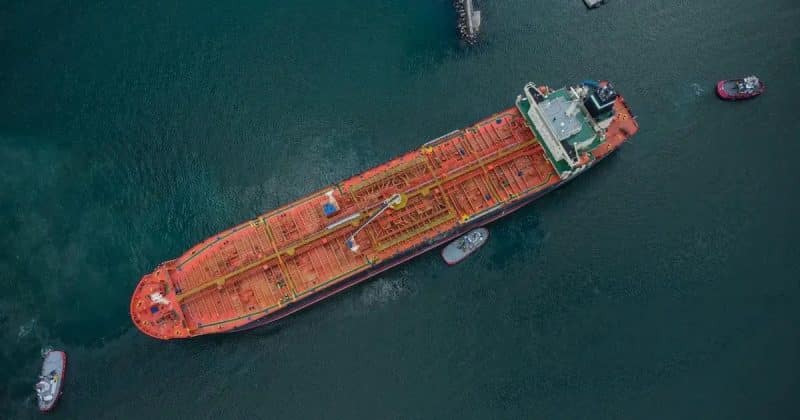
Frontline Ltd, one of the biggest names in the global tanker industry, has warned that meaningful shipping traffic through the Strait of Hormuz will take weeks to resume, even with the US-Iran framework agreement now in place. CEO Lars Barstad has indicated that while traffic could ramp up relatively quickly once credible safety guarantees are established, a return to pre-conflict volumes of 130 to 140 vessels per day is not happening anytime soon.
Why a deal on paper doesn’t mean ships in the water
The Strait of Hormuz handles roughly 20% of the world’s oil and LNG supplies. Shippers across Asia and Europe have been clear: confidence needs to be rebuilt before significant volumes resume. That means mine clearance operations, normalized insurance policies, and validated safety guarantees all need to fall into place first.
Political deals alone are insufficient to restore commercial traffic, according to shipping operators. The broader consensus among analysts and industry players is that full recovery of shipping volumes to pre-conflict levels may not occur until 2027.
Iran’s Bitcoin toll gambit
Reports from April through June 2026 indicate that Iran has begun accepting Bitcoin as payment for Hormuz transit tolls. The charges reportedly land around $1 per barrel, or fixed fees that can reach into the millions depending on tanker size.
Analytics firms including TRM Labs and Chainalysis report minimal on-chain evidence of large-scale Bitcoin transactions tied to these toll payments. Whatever Iran is doing with Bitcoin at the Strait, it doesn’t appear to be happening at meaningful volume yet.
What this means for investors
The insurance angle matters more than most people realize. War-risk premiums on Hormuz transits became a major cost driver for tanker operators during the conflict period. Until those premiums come down meaningfully, the economics of routing through Hormuz versus longer alternative routes remain murky.
For crypto investors, Iran’s Bitcoin toll acceptance is a fascinating case study in state-level crypto adoption, but one that requires serious caveats. The lack of significant on-chain evidence suggests this is either very early stage, conducted through mechanisms that don’t leave obvious blockchain footprints, or simply not as widespread as reports suggest.
The most actionable takeaway: watch the on-chain data, not the political announcements. If TRM Labs and Chainalysis start flagging meaningful transaction clusters tied to Hormuz toll payments, that’s a signal worth trading on.
Disclosure: This article was edited by Editorial Team. For more information on how we create and review content, see our Editorial Policy.






 English (US) ·