
 16 hours ago
42
16 hours ago
42
Washington just dropped the economic equivalent of a sledgehammer on Russia’s energy lifeline. A bipartisan group of US senators unveiled legislation on July 14 that would slap tariffs of up to 100% on the top five purchasers of Russian oil and gas, with China and India sitting right at the top of that list.
What the bill actually does
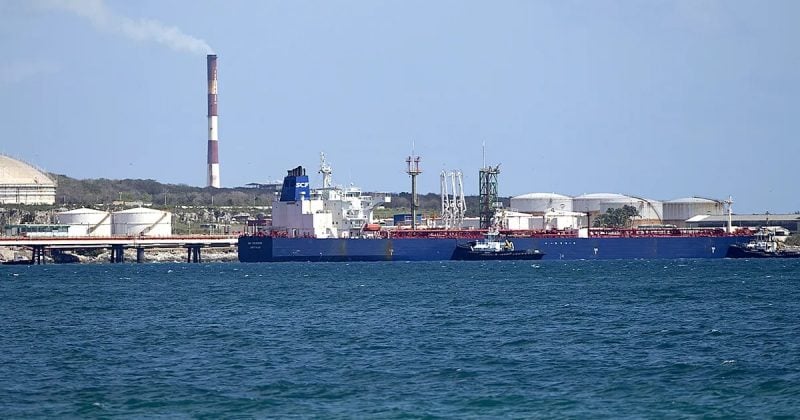
The legislation takes aim at the countries keeping Russia’s energy revenue engine humming. As of early 2025, China and India collectively accounted for approximately 84% of Russian crude oil purchases. That’s nearly the entire customer base.
The proposed tariffs of up to 100% would essentially double the cost of doing business with Russian energy for these nations. Previous iterations of similar legislation suggested tariffs as high as 500% on Russian oil buyers, which makes 100% look almost diplomatic by comparison.
Beyond the headline tariff numbers, the bill also introduces measures designed to penalize entities that help facilitate sanctions evasion — if you’re a shipping company, a bank, or a middleman helping Russian oil find its way to market through creative routing, you’re now a target too.
The legislation represents a meaningful escalation from the existing sanctions framework, which has relied primarily on price caps, import bans, and secondary measures since Russia’s 2022 invasion of Ukraine.
The geopolitical chess match
The bipartisan nature of this bill is worth noting. The legislation builds on earlier efforts championed by the Trump administration. The late Senator Lindsey Graham was an early architect of this approach, pushing for punitive measures against nations that continued to bankroll Moscow’s war machine through energy purchases. This bill carries forward that vision with concrete enforcement mechanisms.
What this means for markets and investors
If the bill passes and even partially succeeds in deterring Chinese and Indian purchases of Russian crude, global supply dynamics shift meaningfully. Less Russian oil flowing to its two biggest customers means those buyers need to source barrels elsewhere, competing with existing demand and likely pushing prices higher.
For crypto specifically, the sanctions evasion angle is the one to watch. Previous rounds of Russia sanctions have already pushed some transaction activity toward digital assets and decentralized finance as actors seek to move value outside traditional banking channels. Stricter enforcement against evasion facilitators could accelerate regulatory scrutiny of crypto’s role in circumventing economic restrictions, potentially triggering new compliance requirements for exchanges and DeFi protocols.
Investors should also consider the retaliatory risk. China and India are unlikely to simply absorb 100% tariffs without responding. Counter-tariffs, trade restrictions, or accelerated de-dollarization efforts could follow.
Disclosure: This article was edited by Editorial Team. For more information on how we create and review content, see our Editorial Policy.






 English (US) ·