
 1 hour ago
16
1 hour ago
16
Over July 12 and 13, Brent crude surged 9.59% to $83.30 per barrel. WTI, the US benchmark, climbed 9.42% to reach $78.14. By July 14, Brent pushed further to a one-month peak near $85.67. The catalyst: a sharp escalation in US-Iran hostilities that collapsed a short-lived ceasefire and sent traders scrambling to reprice geopolitical risk.
What broke the ceasefire
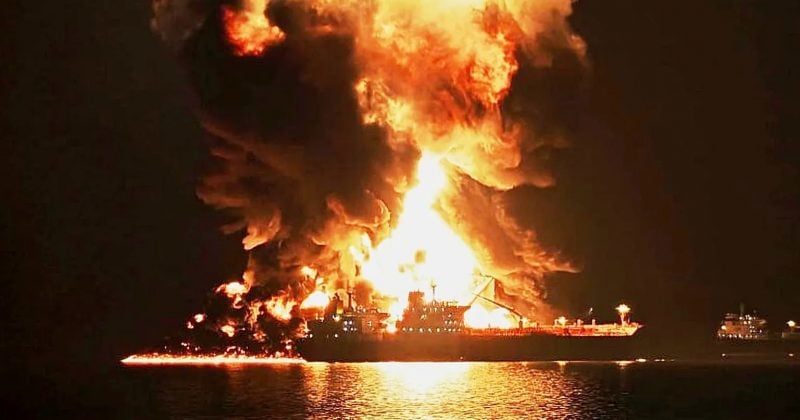
Iranian forces began targeting tankers near the Strait of Hormuz on July 8, restarting a cycle of military exchanges that had been on pause. US President Donald Trump subsequently declared the ceasefire over following renewed strikes, and the White House reinstated economic sanctions against Iran while raising the prospect of a naval blockade in the region.
The Strait of Hormuz is where roughly 20% of the world’s oil trade passes through a narrow chokepoint between Iran and Oman. For context, during an earlier phase of the 2026 Iran conflict, prices had peaked above $100 to $120 per barrel before the ceasefire brought some relief.
Why this matters beyond the energy sector
For equity markets, the read-through is complicated. Energy stocks benefit directly, but the broader market tends to treat oil spikes as a tax on growth. The volatility in energy markets is also bleeding into broader commodity positioning. High price swings of this magnitude, nearly 10% in two days, force leveraged traders to adjust positions across the board.
What traders are watching now
Sanctions reinstatement adds a separate layer of pressure. Iranian oil, which had been flowing to certain buyers despite earlier restrictions, becomes harder to move when the US actively enforces export controls. That tightens available supply at exactly the moment physical disruption fears are already elevated.
Supply disruption risk in the Strait of Hormuz is now the dominant variable in energy pricing, overriding the demand-side considerations, Chinese economic data, OPEC production schedules, that usually drive the conversation.
Disclosure: This article was edited by Editorial Team. For more information on how we create and review content, see our Editorial Policy.






 English (US) ·