
 1 hour ago
17
1 hour ago
17
Brent crude crossed back above $80 per barrel on June 19 after the US and Iran scrapped planned diplomatic talks. Just days ago, markets were breathing a sigh of relief. Now, traders are back to stress-refreshing their screens.
The cancellation effectively hit pause on an interim peace framework that US and Iranian officials signed around June 14-15. That agreement was supposed to reopen the Strait of Hormuz, extend a ceasefire, and generally convince the world that the adults were back in the room. Oil prices had dropped 4-5% in response to that deal.
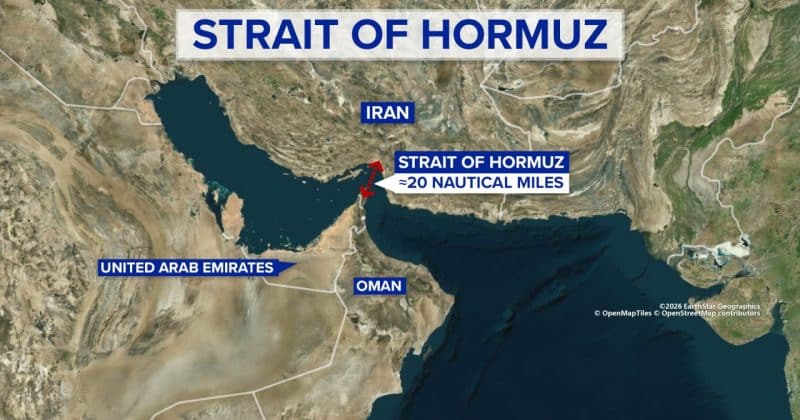
Why the Strait of Hormuz matters to everything
Roughly 20% of the world’s oil supply passes through the Strait of Hormuz. When that bridge gets blocked, things get expensive fast.
The US-Iran conflict kicked off on February 28, 2026, and the market reaction was immediate and brutal. Brent crude, which had been sitting comfortably in the $70-73 range, spiked above $120 per barrel as the Strait became a flashpoint. That’s nearly a 70% increase driven almost entirely by geography and geopolitics.
The interim peace deal brought prices back down. Markets interpreted the agreement as a signal that supply disruptions would ease. Inflation expectations cooled. Equities caught a bid. Crypto assets rallied.
At $80, Brent is still well below that $120 crisis peak. But prices moving back up means inflation fears are moving back up too.
The crypto connection is more direct than you’d think
During the brief calm after the June 14-15 peace framework, falling oil prices eased inflation worries and gave crypto markets room to run. Bitcoin, Ethereum, and Solana all showed sensitivity to the shift in crude prices, rallying alongside equities as traders priced in a more benign macro environment.
Reports indicate that Iranian entities hold an estimated $7.7 billion in digital assets, much of it linked to efforts to circumvent international sanctions. That’s not a trivial sum. It’s enough to move markets in thinner altcoin pools and large enough to draw increasing regulatory scrutiny from Western governments.
What this means for investors
The immediate question is whether the talk cancellation represents a temporary hiccup or the beginning of a longer breakdown in diplomacy. A temporary delay might keep Brent in the $80-90 range. A full collapse of the peace framework could push prices back toward triple digits, reintroducing the kind of supply shock that dominated markets earlier this year.
The $7.7 billion in Iranian-held crypto assets adds a wildcard. If regulators in the US or Europe use the renewed tensions as justification for stricter compliance requirements on exchanges and DeFi protocols, it could create short-term selling pressure even as the long-term adoption narrative remains intact.
Traders watching this space should monitor two things closely: any resumption of diplomatic contact between US and Iranian officials, and the spread between Brent crude spot prices and forward contracts. The first tells you where the conflict is heading. The second tells you where the market thinks supply will be in three to six months.
Disclosure: This article was edited by Editorial Team. For more information on how we create and review content, see our Editorial Policy.








 English (US) ·