
 1 hour ago
15
1 hour ago
15
Pakistan’s Prime Minister Shehbaz Sharif has announced that Iran and the United States have reached a final peace deal, marking what would be the most significant diplomatic breakthrough between the two adversaries in decades.
A long road through Islamabad
Pakistan has served as the intermediary for US-Iran talks since April 2026, hosting multiple rounds of discussions in Islamabad. A direct negotiation session on April 11-12 lasted 21 hours. It ended not with a handshake but with the US blocking Iranian ports.
By late May, the tone had shifted considerably. On May 23, President Donald Trump stated that a US-Iran “Memorandum of Understanding pertaining to peace” was largely negotiated, citing discussions with regional leaders including Sharif. The agreement reportedly included provisions for reopening the Strait of Hormuz, a critical oil shipping chokepoint that handles roughly a fifth of global petroleum transit.
Draft agreements circulated under the working title “Islamabad Accord” covered a sprawling set of issues: ceasefire terms, sanctions relief, and nuclear compliance.
As recently as early June, Sharif was still characterizing an agreement as “within reach” rather than done. Iranian officials had been cautioning publicly against getting ahead of the process.
What’s reportedly in the deal
A potential 60-day ceasefire extension formed one pillar of the discussions. Sanctions relief was reportedly tied to nuclear concessions from Tehran.
Any agreement touching Iran’s nuclear program inevitably draws comparisons to the 2015 Joint Comprehensive Plan of Action, which Trump withdrew from during his first term in 2018.
What this means for crypto and broader markets
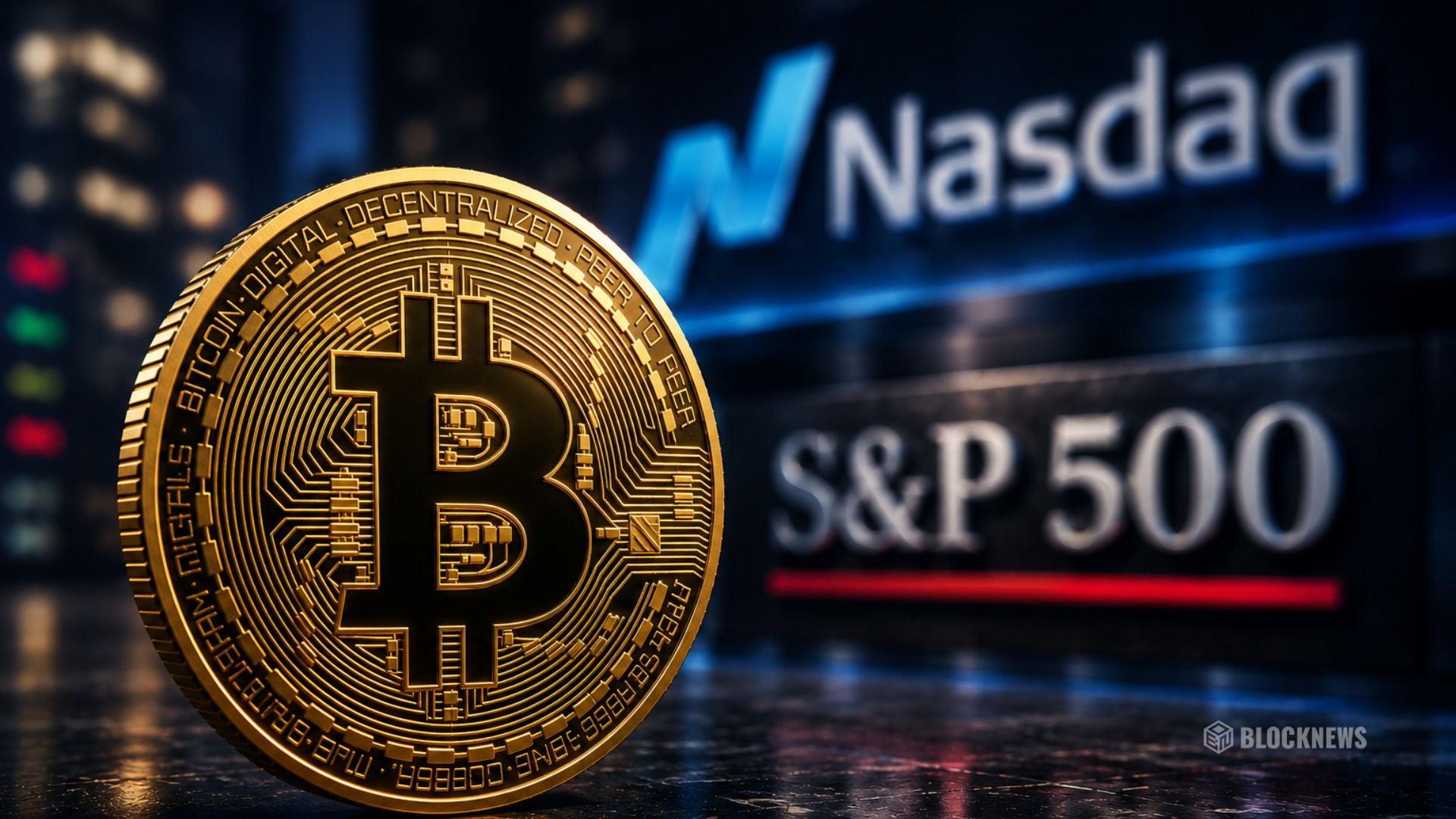
During the period of growing optimism around a deal, Bitcoin surged toward $77,000, reflecting what traders interpreted as reduced geopolitical risk. Solana and various privacy-focused tokens also attracted investor attention during the negotiation period, suggesting active portfolio reallocation rather than just a Bitcoin-specific bid.
If sanctions relief materializes in a meaningful way, Iran’s reintegration into global oil markets would add supply, pushing crude prices lower. Lower energy costs feed into lower inflation prints, which give central banks more room to ease monetary policy.
Disclosure: This article was edited by Editorial Team. For more information on how we create and review content, see our Editorial Policy.





 English (US) ·