
 1 month ago
74
1 month ago
74
- Ripple’s private valuation has climbed more than 50% over the past year, while XRP has lost roughly half its value.
- The divergence highlights the growing difference between Ripple as a company and XRP as a cryptocurrency.
- Some investors now see Ripple’s private equity as a potentially stronger long-term bet than the XRP token itself.
Something unusual is happening in the Ripple ecosystem. While Ripple, the private company behind many blockchain-based financial products, has seen its valuation surge over the past year, XRP has moved in the opposite direction. Ripple’s private market valuation has reportedly jumped by more than 50%, yet XRP has shed around half of its market value during the same period.
That disconnect naturally raises a question. Is XRP now trading at a discount relative to the company that created it, or does the market simply view Ripple and XRP as two completely different investment opportunities? For investors looking at the crypto space, understanding that distinction has become increasingly important.
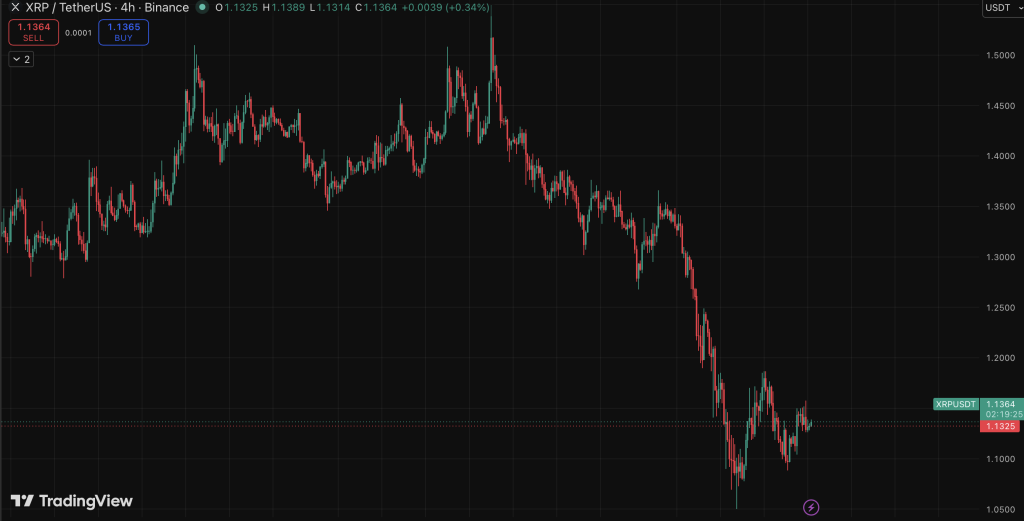
Ripple and XRP Are Not the Same Thing
Many people still use the names Ripple and XRP interchangeably, but they represent two very different assets. Owning shares in Ripple is not the same as holding XRP tokens, despite the close relationship between the two.
XRP functions as the native token within Ripple’s broader ecosystem. Its primary role is facilitating cross-border payments and acting as a bridge asset for transferring value between different currencies. The token was designed to support fast and efficient transactions across networks, though its real-world adoption remains a work in progress.
Ripple, meanwhile, has expanded beyond XRP. In 2024, the company launched Ripple USD (RLUSD), a stablecoin aimed at serving institutions and businesses looking for a more stable digital asset. While some analysts believe RLUSD could eventually strengthen demand for XRP by expanding Ripple’s ecosystem, the two assets serve different purposes and are not expected to move in lockstep from a valuation standpoint.
XRP Still Relies Heavily on Market Expectations
Despite years of development, XRP’s valuation remains driven largely by future expectations rather than current adoption. The token still commands a sizable market capitalization, but much of that value reflects investor optimism about what Ripple’s payment network could become rather than what it has already achieved.
As a result, XRP tends to experience sharp swings based on broader crypto market sentiment. Risk appetite, regulatory developments, and speculation often have a greater impact on price than actual usage metrics. That dynamic helps explain why XRP can lose substantial value even while the company associated with it gains investor confidence.
This isn’t necessarily a sign that XRP lacks potential. It simply reflects the reality that many crypto assets are valued more on anticipated growth than on proven business performance, and markets can change their minds quickly.
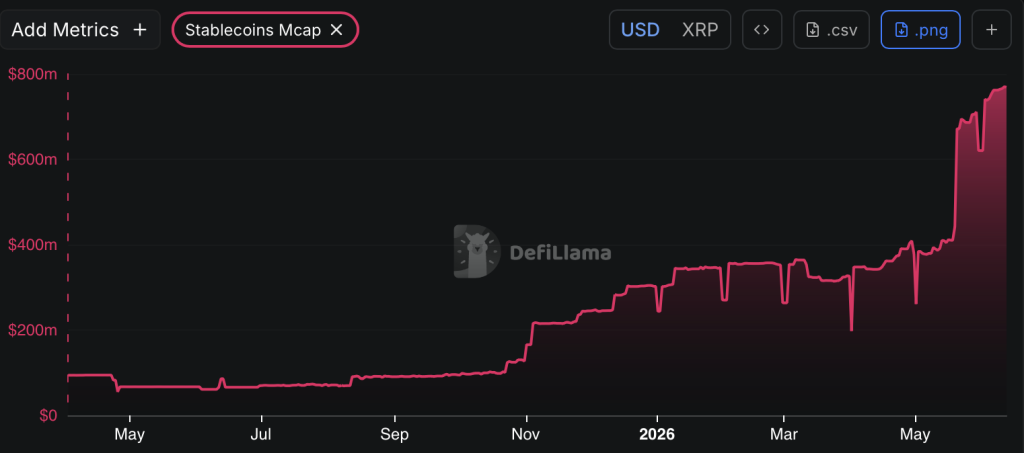
Ripple’s Business Is Expanding Beyond XRP
One reason private investors remain optimistic about Ripple is that the company now has multiple avenues for growth. Unlike XRP, Ripple’s success is not entirely dependent on the token’s performance.
Last year, Ripple reportedly raised $500 million in funding, pushing its valuation to roughly $40 billion. Investors appeared particularly encouraged by the company’s broader financial infrastructure ambitions rather than its connection to XRP alone. The firm has expanded into areas such as stablecoins, digital asset custody, corporate treasury solutions, and prime brokerage services.
According to reports, Ripple plans to use the fresh capital to strengthen partnerships with financial institutions while continuing to build out its growing suite of products. The strategy arrives at a time when banks, fintech firms, and payment providers are becoming increasingly interested in stablecoins as a more efficient way to move money across borders.
Which Investment Looks More Attractive?
For contrarian investors, the more intriguing opportunity may actually be Ripple itself rather than XRP. Although both currently carry valuations in a similar range, Ripple’s business model appears more diversified and less dependent on a single product or use case.
Of course, buying Ripple equity is far more complicated than purchasing XRP on a crypto exchange. Access to private market investments is limited, liquidity is lower, and participation often comes with higher barriers to entry. Still, the widening gap between Ripple’s rising valuation and XRP’s declining price suggests that many investors see stronger long-term potential in the company than in the token.
Whether that assessment proves correct remains to be seen. But one thing is becoming clearer: Ripple and XRP are increasingly being valued as separate stories, and the market is treating them very differently.
Disclaimer: BlockNews provides independent reporting on crypto, blockchain, and digital finance. All content is for informational purposes only and does not constitute financial advice. Readers should do their own research before making investment decisions. Some articles may use AI tools to assist in drafting, but every piece is reviewed and edited by our editorial team of experienced crypto writers and analysts before publication.





 English (US) ·