
 1 hour ago
13
1 hour ago
13
Roundhill Investments just proved that sometimes the most boring-sounding corner of the tech stack is where the real money flows. The firm’s Memory ETF, ticker DRAM, launched on April 2, 2026, and pulled in nearly $10 billion in assets under management within 43 days, making it one of the fastest-growing ETFs ever recorded.
The fund focuses exclusively on companies manufacturing DRAM, NAND, and high-bandwidth memory chips. In English: it owns the companies that make the components AI systems literally cannot function without.
The memory bottleneck thesis
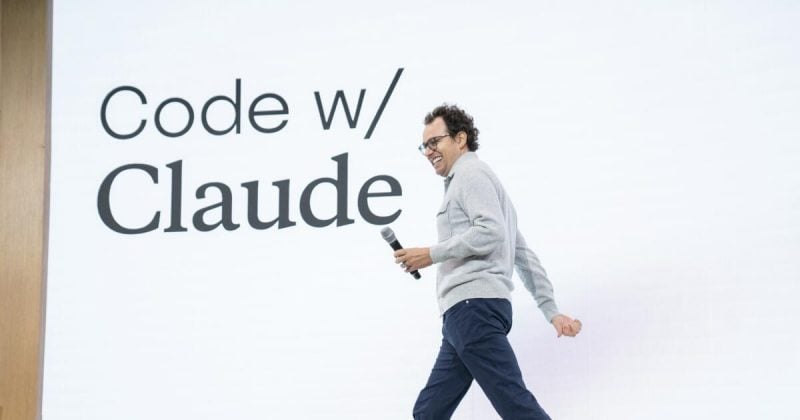
Roundhill CEO Dave Mazza has been vocal about this dynamic, describing memory as “the biggest bottleneck” facing AI advancements. He expects shortages in the memory market to persist for multiple years.
The DRAM ETF is structured to hold at least 80% of its assets in memory companies. Its top holdings read like a who’s who of the semiconductor memory industry: Micron Technology, Samsung, and SK Hynix.
Roundhill’s expanding AI playbook
DRAM isn’t Roundhill’s first foray into AI-themed investing. The firm launched the Roundhill Generative AI & Technology ETF, ticker CHAT, back on May 18, 2023. That fund has accumulated approximately $1.87 billion in assets under management as of early August 2026. The firm has also filed for a Compute ETF under the ticker GPUX, which would target the processing side of the AI hardware equation.
Most ETFs spend years trying to cross the $1 billion mark. Many never get there at all. Hitting $10 billion in 43 days is the ETF equivalent of a debut album going diamond.
What this means for crypto and digital asset investors
In the month leading up to August 2026, no new crypto funds were launched. Zero. Meanwhile, AI-themed products like DRAM are vacuuming up capital at historic rates.
Investors should also note the concentration risk inherent in DRAM’s structure. With 80% or more of assets in memory stocks and the top holdings dominated by just three companies, the fund’s fortunes are heavily tied to memory chip pricing cycles. Samsung, Micron, and SK Hynix have all experienced dramatic swings in profitability depending on supply-demand dynamics.
Disclosure: This article was edited by Editorial Team. For more information on how we create and review content, see our Editorial Policy.








 English (US) ·