
 1 hour ago
13
1 hour ago
13
SpaceX priced its IPO at $135 per share on June 11, 2026, with trading set to begin June 12 on Nasdaq under the ticker SPCX. The company is targeting roughly $75 billion in proceeds, which would make it the largest initial public offering in history, more than doubling Saudi Aramco’s $29 billion haul back in 2019.
At that price, SpaceX carries an estimated valuation of approximately $1.77 trillion, surpassing Tesla’s market capitalization at that time.
The numbers behind the offering
SpaceX is offering approximately 555.6 million shares to the public. Retail investor demand has reportedly topped $100 billion, significantly outpacing the actual offering size.
Pre-IPO trading on secondary markets like Hiive has already hinted at where the market thinks these shares should trade. Estimates on those platforms climbed as high as $151 per share before the official listing, a roughly 12% premium over the IPO price.
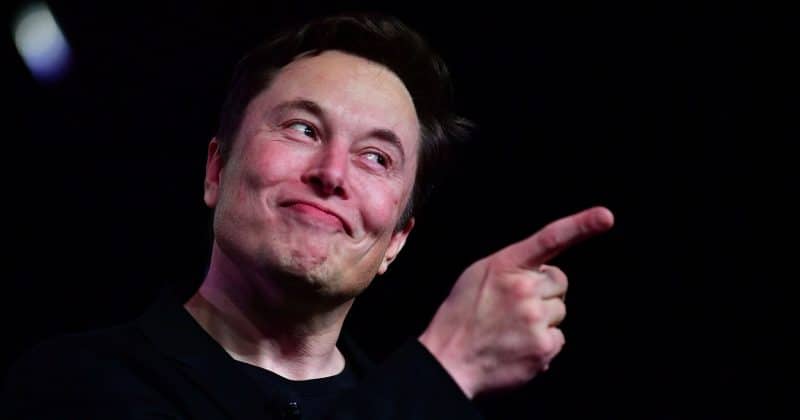
Musk controls about 42% of the company. At the IPO valuation, his stake is worth over $688 billion.
From private rockets to public markets
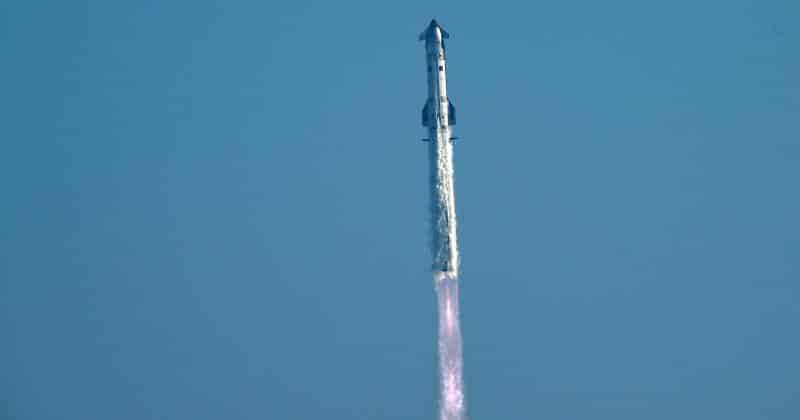
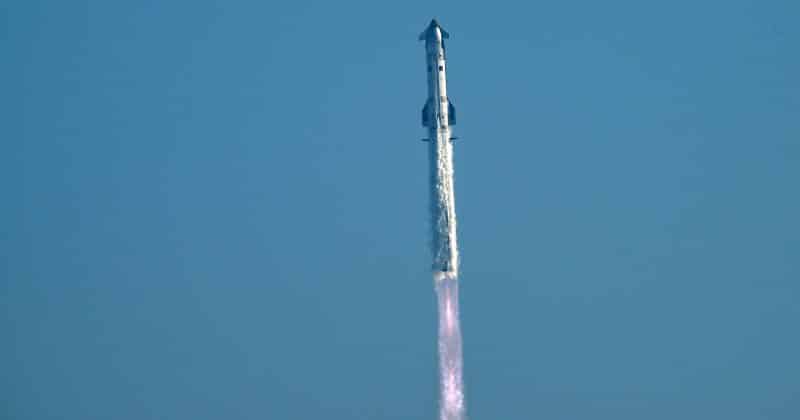
SpaceX spent more than two decades as a private company. The decision to go public represents a fundamental shift in how the company funds its dual mission: expanding internet access through its Starlink satellite constellation and pursuing Mars colonization.
Starlink has been the financial engine. The satellite internet service has grown into a global operation serving millions of subscribers across dozens of countries, generating recurring revenue.
What this means for investors and the broader market
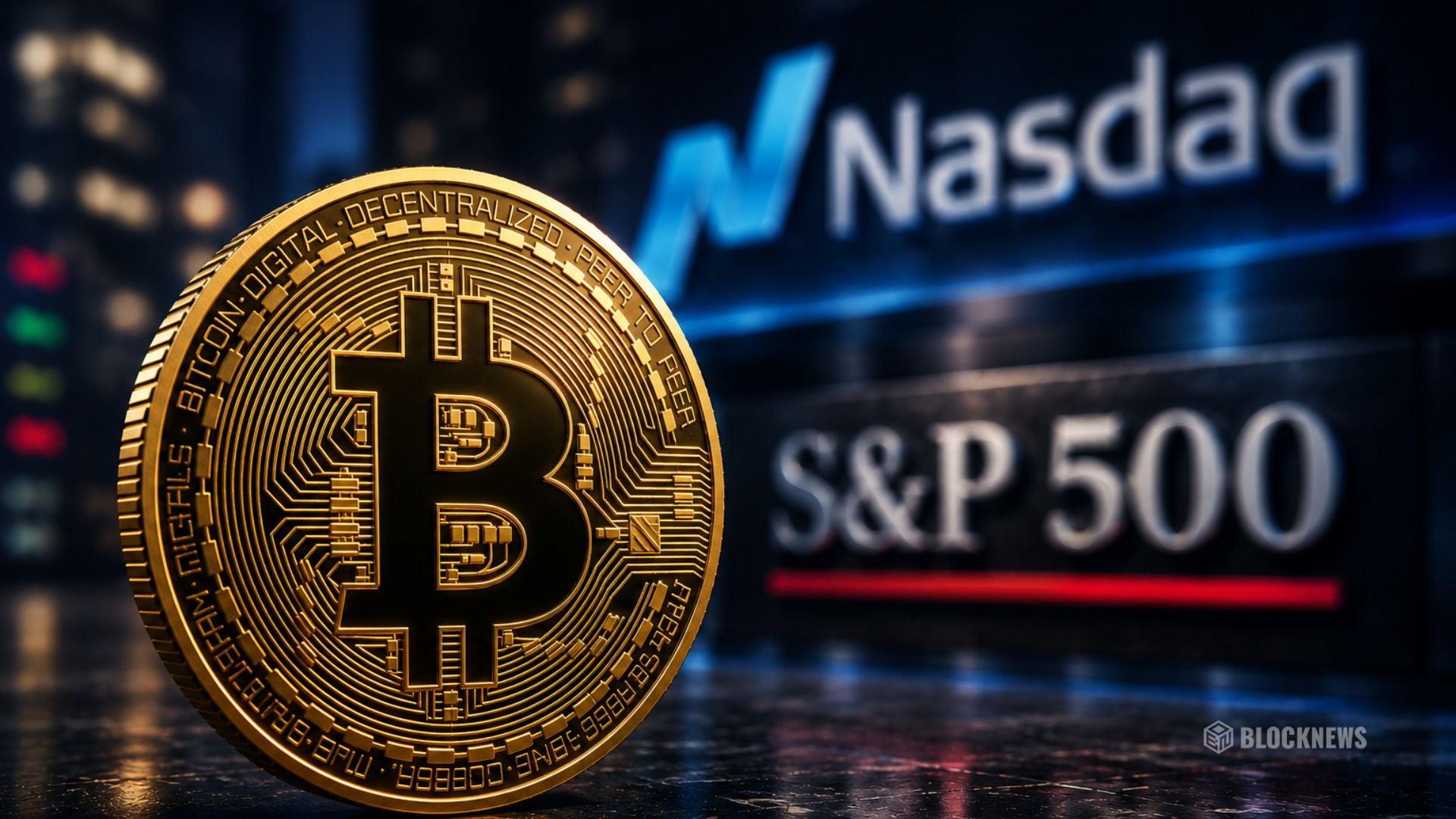
For crypto markets specifically, the SpaceX IPO doesn’t involve any direct cryptocurrency component. There’s no token, no blockchain integration, no Bitcoin treasury strategy.
The retail demand figures are particularly telling. Over $100 billion in reported interest for a $75 billion offering suggests that individual investors are hungry for access to companies they perceive as transformational.
Investors should also consider the concentration risk. Musk’s 42% ownership gives him extraordinary control over the company’s direction.
Disclosure: This article was edited by Editorial Team. For more information on how we create and review content, see our Editorial Policy.



 English (US) ·