
 1 hour ago
16
1 hour ago
16
SpaceX just broke every IPO record in the book. The aerospace giant priced its offering at $135 per share on June 11, raising $75 billion by selling roughly 555.6 million shares. That makes it the largest initial public offering ever, and it’s not even close.
The company’s valuation at that price sits around $1.77 trillion, with some estimates placing the fully diluted figure near $1.8 trillion. Trading begins on the Nasdaq under the ticker SPCX on June 13. For context, that valuation puts SpaceX in the same neighborhood as the most valuable public companies on earth, before it has even traded a single share on the open market.
Demand that defied gravity
The appetite for SpaceX shares was, to put it mildly, enormous. The IPO was oversubscribed by approximately four times, meaning investors collectively wanted to buy far more shares than were available. Retail orders alone reportedly surpassed $100 billion.
On the institutional side, BlackRock placed orders of at least $5 billion for IPO shares.
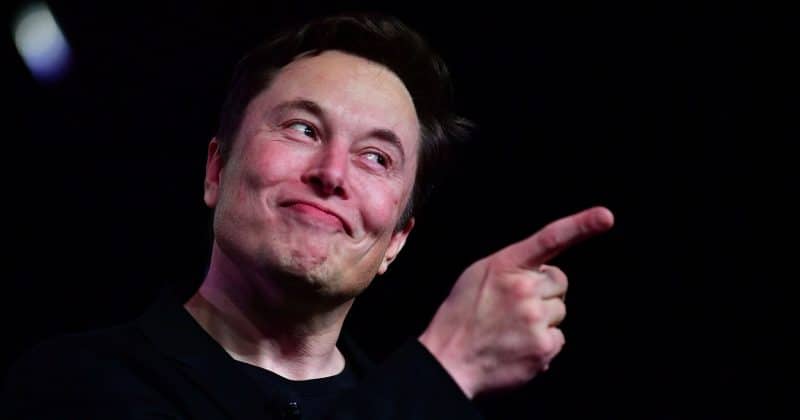
The offering has been described as something of a referendum on Elon Musk himself. His existing stake in SpaceX, combined with the public market valuation, puts the milestone of becoming the world’s first trillionaire within striking distance.
The crypto connection
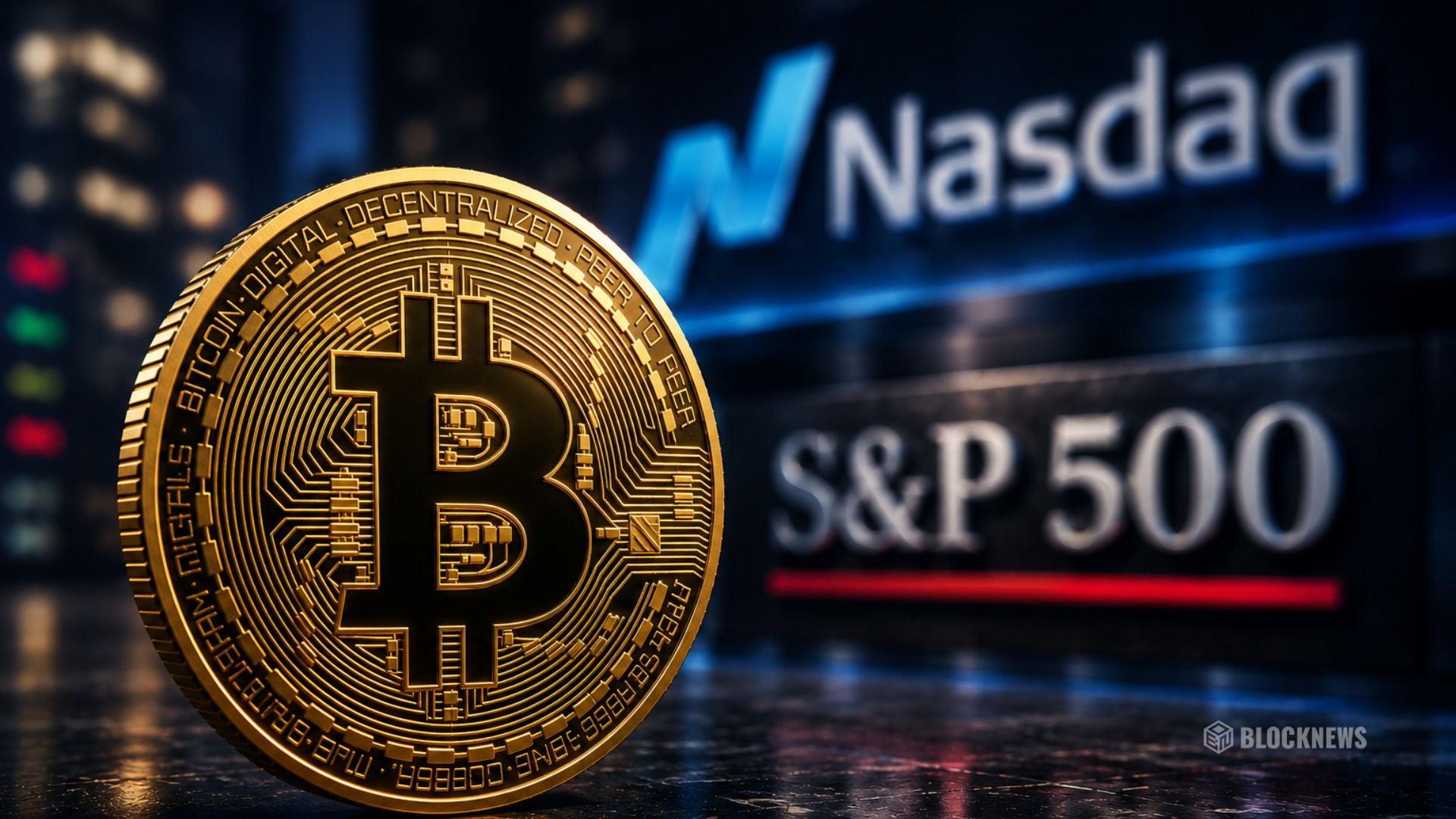
SpaceX holds a meaningful Bitcoin treasury. Estimates place the company’s Bitcoin holdings somewhere between $545 million and $1.29 billion. That’s a wide range, but even the low end makes SpaceX one of the more significant corporate Bitcoin holders joining the public markets.
Crypto-native platforms have been tracking the IPO closely. Prediction markets on Polymarket and derivatives activity on platforms like Coinbase suggest traders are pricing in post-IPO valuations of $2 trillion to $2.4 trillion. That would represent a roughly 13% to 36% jump from the IPO price.
Why this matters beyond the headline number
For the aerospace and defense sector specifically, SpaceX going public at this valuation resets expectations for every competitor. Companies like Rocket Lab, Blue Origin (still private), and legacy contractors like Lockheed Martin and Northrop Grumman now operate in a world where the market has declared a single rocket company to be worth nearly $1.8 trillion.
BlackRock’s $5 billion-plus commitment signals to pension funds, sovereign wealth funds, and endowments that heavyweight allocators view this as a core holding, not a speculative flier.
For crypto investors, the more interesting dynamic might be what happens to SpaceX’s Bitcoin holdings once the company is subject to quarterly public reporting. Every 10-Q filing will reveal whether SpaceX is buying more Bitcoin, holding steady, or quietly selling. That transparency could make SPCX an indirect indicator for institutional crypto sentiment, similar to how MicroStrategy’s stock has functioned as a Bitcoin proxy for years.
Disclosure: This article was edited by Editorial Team. For more information on how we create and review content, see our Editorial Policy.





 English (US) ·