
 3 hours ago
23
3 hours ago
23
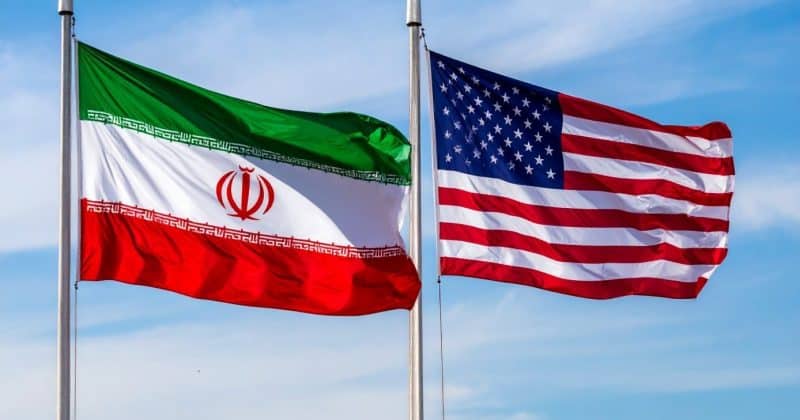
The US and Iran have signed a 60-day ceasefire extension that reopens the Strait of Hormuz to commercial shipping, effectively ending a standoff that choked roughly 20% of the world’s oil trade since late February. Oil prices dropped approximately 3% on the news. Bitcoin climbed above $65,000.
What the deal actually says
The US lifts its naval blockade on Iranian ports. In return, Iran commits to clearing naval mines and ensuring unrestricted transit through the Strait of Hormuz for the next 60 days. Commercial shipping can pass toll-free during that window. Iran has a 30-day deadline to remove the mines it deployed during the crisis.
The agreement was reportedly signed by both parties around June 19, following framework negotiations that picked up pace in mid-June 2026. The nuclear file remains open, deferred to future rounds of talks that don’t yet have a firm timeline.
How the crisis unfolded
The Strait of Hormuz standoff traces back to late February 2026, when Iran restricted access to the narrow waterway connecting the Persian Gulf to the open ocean. What followed was a rapid escalation: a US naval blockade on Iranian ports, military clashes in the early months of 2026, and a near-total disruption of Gulf oil exports. Approximately 20% of global oil trade passes through it on any given day.
What this means for crypto and energy markets
The approximately 3% drop in oil prices after the announcement reflects what traders already suspected: if Hormuz reopens, the supply crunch eases.
Bitcoin’s move above $65,000 following the June 14 announcements suggests that digital asset markets are treating the ceasefire as a risk-on signal. Bitcoin has historically been pitched as a hedge against geopolitical instability, but in practice it often trades more like a risk asset than gold. When tensions ease and uncertainty drops, Bitcoin tends to rally alongside equities rather than retreating like a traditional hedge would.
Iran has previously floated the idea of accepting cryptocurrency-based fees for Strait of Hormuz transit, a potential mechanism to bypass US sanctions on its financial system. While that concept didn’t make it into this particular agreement, if future negotiations revisit that idea, it could create a novel use case for crypto at the sovereign level with implications for sanctions policy, stablecoin adoption, and cross-border settlement.
The 30-day mine clearance deadline is the first checkpoint. If Iran meets it on schedule, expect oil prices to settle further. If it doesn’t, the ceasefire’s credibility takes a hit, and the risk premium returns fast.
Disclosure: This article was edited by Editorial Team. For more information on how we create and review content, see our Editorial Policy.






 English (US) ·