
 2 hours ago
18
2 hours ago
18
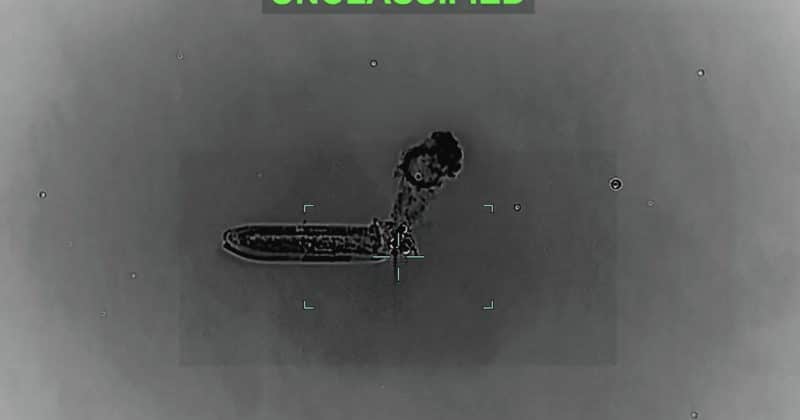
The US military struck an oil tanker in the Gulf of Oman on June 8, killing three Indian crew members and igniting a diplomatic firestorm with one of Washington’s most important strategic partners. The vessel, a Palau-flagged tanker identified as the Settebello (also known as Marivex), was targeted by US Central Command over allegations it was attempting to breach the American blockade on Iranian oil shipments.
Of the 24 Indian nationals aboard, 21 were rescued by Omani forces. Three remain unaccounted for, though Indian officials have confirmed the deaths. India’s foreign ministry responded by summoning the senior US diplomat in New Delhi, a move that signals genuine anger rather than diplomatic theater.
What happened in the Gulf of Oman
Centcom executed what it described as a precision strike on the tanker’s engine room. The strike fits into a broader pattern of US enforcement actions that began on April 13, when Washington initiated a blockade targeting Iranian shipping through the Strait of Hormuz. That waterway handles roughly a fifth of the world’s oil supply on any given day.
The tanker itself wasn’t exactly an unknown quantity to US authorities. The vessel had previously been subject to American sanctions tied to Iranian oil transactions. The incident is one of several enforcement actions the US has taken against vessels it considers non-compliant with the blockade, but this is the first to produce confirmed casualties among nationals of a major US partner nation.
The diplomatic fallout
India’s response has been swift and pointed. Summoning the US diplomat tells Washington that New Delhi views this not as collateral damage to be quietly managed, but as a serious breach requiring explanation and accountability. India has expressed “deep concern” over the incident and is actively coordinating rescue and recovery efforts for the three missing crew members.
India imports significant quantities of Iranian oil and has historically resisted US pressure to cut those ties entirely. A military strike that kills Indian workers on a vessel carrying Iranian crude sits at the exact intersection of Indian economic interests and American geopolitical strategy.
Why crypto markets should pay attention
Iran has been exploring cryptocurrency as a mechanism to facilitate trade that traditional financial channels have cut off, including potential tolls and insurance mechanisms related to strait navigation. The broader sanctions regime already pushes certain actors toward decentralized finance, and every time the US tightens enforcement through military strikes or financial penalties, the incentive for sanctioned parties to find alternative payment rails increases.
The immediate risk for investors is straightforward: further military engagements in the Gulf of Oman could spike oil prices and shipping costs simultaneously, creating inflationary pressure. If the blockade expands or produces more casualties, expect diplomatic repercussions that could reshape trade alliances and capital flows.
Disclosure: This article was edited by Editorial Team. For more information on how we create and review content, see our Editorial Policy.



 English (US) ·