
 1 hour ago
13
1 hour ago
13
President Trump just decided the global trade environment wasn’t chaotic enough. On July 24, the administration rolled out fresh tariffs ranging from 10% to 12.5% on goods imported from more than 60 trading partners, covering a staggering 99.4% of all US imports.
The new duties arrived on the exact day a temporary 10% global tariff expired after 150 days in effect.
Canada gets the worst of it
Four days before the broader action, Trump signed a separate executive order slamming 50% tariffs on 554 Canadian products. That order, signed July 20, takes effect August 19 and targets everything from dairy products to electronic goods to machinery. Hockey equipment made the list too.
The administration cited what it called discriminatory practices against US products by Canada.
The broader Section 301 tariffs cover a diverse basket of goods from dozens of countries. The rates vary between 10% and 12.5%, with significant product exemptions built in, partly reflecting US concerns about forced labor in international supply chains.
The Section 301 provisions alone are projected to generate $581 billion in revenue between 2026 and 2036.
The legal backstory changes everything
This latest tariff architecture exists because the old one collapsed. In February 2026, the US Supreme Court ruled that the administration’s previous tariff authorities under the International Emergency Economic Powers Act (IEEPA) were invalid.
Rather than accept defeat, the administration pivoted to Sections 338 and 301 of the Tariff Act, older legal mechanisms that provide alternative pathways to impose import duties.
The Supreme Court decision briefly rattled markets. Bitcoin saw a roughly 2% intraday increase following the February ruling.
The pivot to Section 301 is notable because it’s the same legal framework the US used during the first Trump administration’s trade war with China. It gives the executive branch significant latitude to impose tariffs based on findings of unfair trade practices, without needing to declare a national emergency.
What this means for crypto and broader markets
The latest round of tariff announcements hasn’t produced any sustained impact on crypto prices as of late July. The February Supreme Court ruling’s 2% Bitcoin move is a good example of the pattern: noticeable, but not sustained.
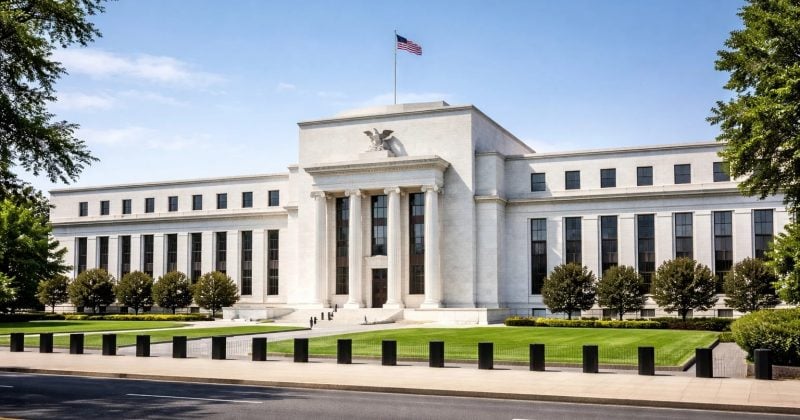
Higher import costs tend to push consumer prices up, which complicates the Federal Reserve’s calculus on interest rates. If tariff-driven inflation forces the Fed to hold rates higher for longer, that tightens the liquidity environment that has historically been a tailwind for digital assets.
Disclosure: This article was edited by Editorial Team. For more information on how we create and review content, see our Editorial Policy.







 English (US) ·