
 1 hour ago
11
1 hour ago
11
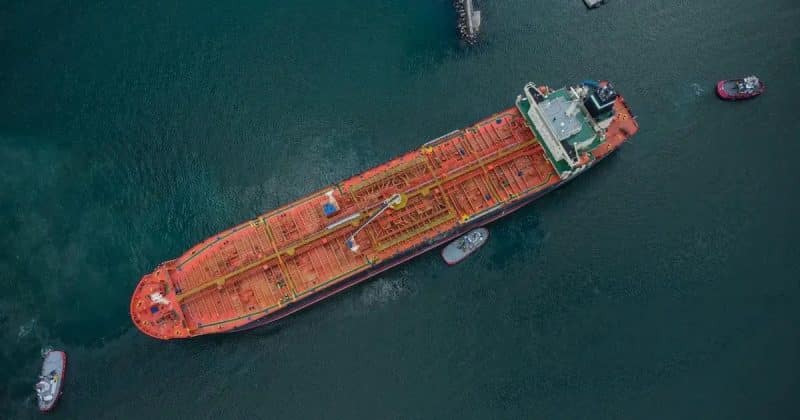
The US and Iran have agreed to a framework peace deal that includes a 60-day ceasefire and the reopening of the Strait of Hormuz, one of the most strategically significant shipping lanes on the planet. The formal signing is scheduled for June 19 in Switzerland.
Markets didn’t wait for the ink. Bitcoin jumped to a two-week high above $65,500, briefly touching nearly $66,000 in the hours following the mid-June announcement. Oil, meanwhile, fell approximately 5% to settle around $80 per barrel, a dramatic cooldown from the $120 highs seen back in March.
That March-to-June move in oil represents a roughly 33% decline. The Strait of Hormuz handles about a fifth of the world’s daily oil consumption.
What’s in the deal, and what’s not
This framework agreement establishes a 60-day ceasefire window meant to create space for deeper negotiations. Those issues, specifically Iran’s nuclear program and sanctions relief, have been deliberately deferred to future talks.
The Switzerland signing on June 19 will formalize what was announced around June 14-15 by US and Iranian officials.
Bitcoin’s risk-on reflex and the broader crypto reaction
Bitcoin’s surge past $65,500 represents a two-week high, suggesting that the US-Iran tensions had been actively suppressing Bitcoin’s price.
BlackRock’s play and the GCC capital shift
BlackRock has been highlighting liquid alternatives as investment vehicles that can generate returns regardless of whether traditional equities or bonds are moving up or down.
BlackRock’s investment strategists predict potential capital inflows of $50 to $100 billion into GCC economies as part of this reallocation, arguing the conflict and its aftermath will redirect capital flows in the region.
Liquid alternatives include things like managed futures, long-short equity funds, and market-neutral strategies.
What this means for investors
The framework deal explicitly defers the two most contentious issues: nuclear capabilities and sanctions. Oil traders face the calculation that the drop to $80 assumes the Strait of Hormuz stays open and supply flows normalize. The gap between $80 and the March high of $120 represents significant potential upside for energy if the peace process falters.
Disclosure: This article was edited by Editorial Team. For more information on how we create and review content, see our Editorial Policy.






 English (US) ·