
 1 hour ago
18
1 hour ago
18
Wars have a way of showing up at the gas pump. Conflicts in the Middle East and Eastern Europe are estimated to cost the US economy roughly $45 billion annually through elevated energy prices, a figure that translates to about 0.15-0.2% of GDP.
That’s not enough to trigger a recession. But for the tens of millions of Americans already stretched thin by years of inflation, it’s the difference between making rent and falling behind.
The war premium hiding in your energy bill
Every time a missile strikes near an oil field or a shipping lane gets disrupted, traders price that uncertainty into crude oil futures. The result is what analysts call a “war premium,” an estimated $5-15 per barrel tacked onto Brent and WTI crude prices during periods of heightened tension. That premium ripples through the entire economy. Gasoline costs more. Diesel costs more, which means everything that moves by truck costs more. Heating bills climb. Electricity rates follow.
A sustained $10 per barrel increase in oil prices is estimated to shave 0.1-0.2 percentage points off US GDP after one year. The $45 billion estimate sits comfortably within that modeling range, consistent with analyses from multiple economic research entities studying oil price shocks in advanced economies.
Low-income Americans are paying the steepest price
The bottom 20% of US households by income spend about 9-10% of their total expenditures on energy. The wealthiest households spend roughly 4-5%. A family earning $30,000 a year feels a spike in gas prices about twice as intensely as a family earning $150,000, relative to their budget.
The Fed factor and what investors should watch
Elevated oil and gas costs feed directly into inflation readings, and persistent inflation means the Fed keeps interest rates higher for longer. Higher energy prices driven by geopolitical risk have delayed market expectations for rate cuts, adding downside risk to financial markets that had been pricing in a more dovish monetary policy path.
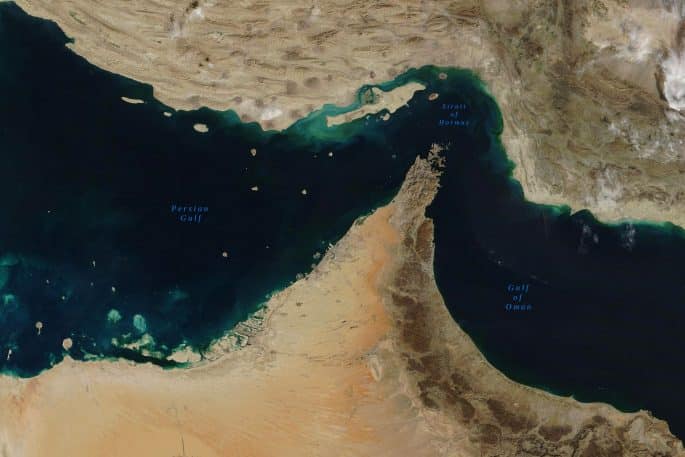
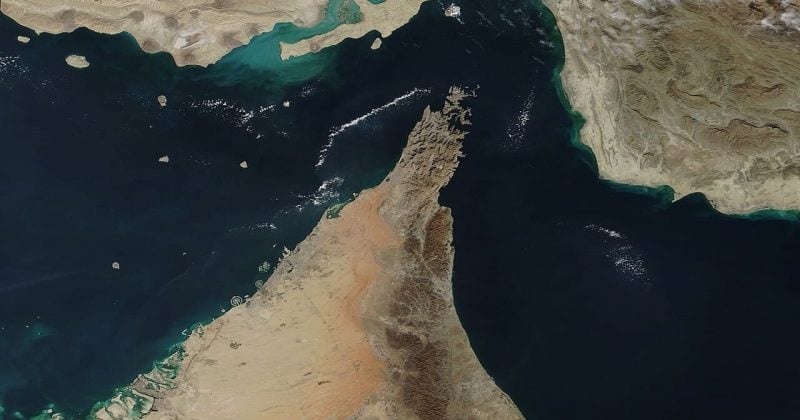
For investors, the $45 billion drag represents a slow bleed rather than a sudden shock. When households spend more on energy, they spend less on everything else. The key variable to monitor is whether the war premium expands or contracts. An escalation in the Middle East, particularly anything involving major oil-producing nations or critical shipping chokepoints like the Strait of Hormuz, could push that premium well above the current $5-15 per barrel range.
Disclosure: This article was edited by Editorial Team. For more information on how we create and review content, see our Editorial Policy.






 English (US) ·