
 1 hour ago
16
1 hour ago
16
The United States and Iran have reached a framework agreement to extend their ceasefire by 60 days, reopen the Strait of Hormuz toll-free, and lift the US naval blockade on Iranian ports. Bitcoin responded by surging to between $65,000 and $66,000.
The deal, reached on June 14-15, follows the initial ceasefire established in April 2026 during the broader Iran conflict. A formal signing ceremony is expected in Geneva around June 19. Oil prices dropped 3-5% almost immediately after the announcement, while the broader crypto market climbed nearly 8%.
What the deal actually covers
The Strait of Hormuz is the narrow waterway between Iran and the Arabian Peninsula that handles roughly 20% of global seaborne oil transit. When Iran blocked it earlier this year in response to US and Israeli military operations, energy markets went predictably haywire.
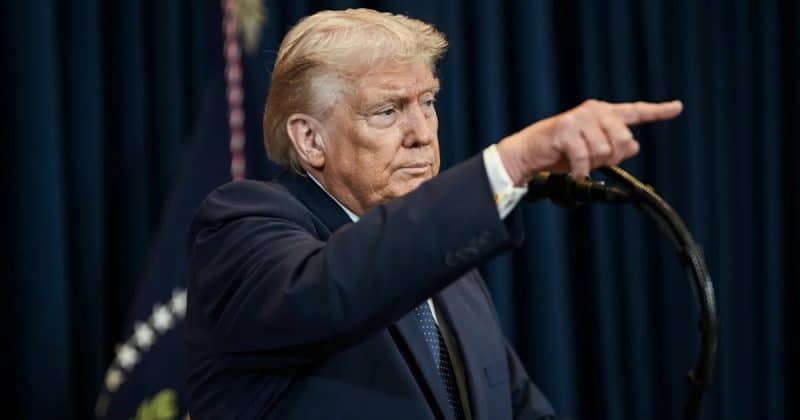
Under the new framework, the Strait reopens without tolls, and the US naval blockade on Iranian ports gets lifted. President Trump announced the toll-free reopening via social media. The provisional nature of the agreement is worth emphasizing: this is a framework, not a final peace deal. Nuclear negotiations and discussions around a permanent resolution are expected to follow, though both Iran and Israel have flagged significant hurdles that remain unresolved.
Crypto’s geopolitical trade
The market reaction was swift and broad. Bitcoin’s jump above $65,000 was the headline mover, but Ethereum, Solana, and XRP all posted gains ranging from 3-8% in the hours following the announcement.
Lower oil prices play a meaningful role in the calculus. When energy costs drop, inflationary pressures ease, which reduces the likelihood of central banks tightening monetary policy further. That chain reaction tends to benefit speculative assets, and crypto sits squarely in that category for most institutional portfolios.
What this means for investors
A 60-day extension is exactly that: a two-month window. The underlying issues that sparked the conflict, including Iran’s nuclear program, Israeli security concerns, and broader Middle Eastern power dynamics, remain unresolved.
The oil price connection deserves close monitoring. A sustained 3-5% decline in crude would meaningfully shift inflation expectations, potentially giving the Federal Reserve more room to hold rates steady or even consider cuts.
One pattern worth watching: the April ceasefire produced a similar, if smaller, bounce in crypto markets. This latest extension amplified the effect.
Disclosure: This article was edited by Editorial Team. For more information on how we create and review content, see our Editorial Policy.





 English (US) ·