
 2 hours ago
22
2 hours ago
22
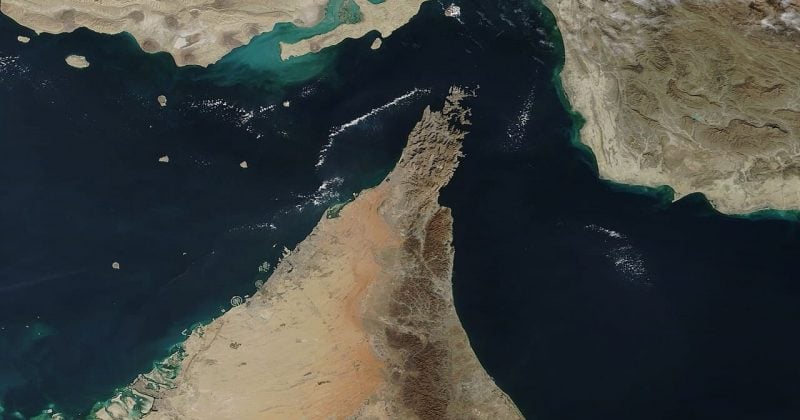
The ongoing US-Iran conflict is prompting African nations to reevaluate their security and economic strategies, according to a report by Al Jazeera. The conflict, part of the 2026 Iran War involving the United States and Israel, has led to significant disruptions in the Strait of Hormuz, impacting global oil transit. This disruption has had a direct effect on Africa’s energy import costs, food security, and inflation, forcing a reconsideration of alliances and a push towards renewable energy. As the situation continues to evolve, market participants appear to interpret these developments as potentially facilitating negotiations for a US-Iran deal, despite the current challenges.
Key Takeaways
- African governments are reassessing their security and economic strategies due to the US-Iran conflict, which appears to influence broader geopolitical dynamics.
- The disruption in the Strait of Hormuz has increased oil prices, impacting Africa’s energy import costs and prompting a shift towards renewable energy.
- Market pricing suggests these developments could increase the likelihood of a US-Iran deal, with current odds reflecting a cautious optimism.
What to Watch
Observers are closely monitoring the ongoing technical talks between the US and Iran, as well as any renewed attacks that could threaten the fragile ceasefire. Key actors, including US President Donald Trump and Iranian Foreign Minister Javad Zarif, are central to the negotiations. Developments such as the reopening of the Strait of Hormuz or significant diplomatic breakthroughs may indicate progress towards a potential deal. Conversely, any escalation in military actions by Israel or changes in uranium enrichment levels reported by Iranian media could impact market pricing and the perceived likelihood of a deal.
Get prediction market intelligence as a structured API feed. Early access waitlist.
Disclosure: This article was edited by Estefano Gomez. For more information on how we create and review content, see our Editorial Policy.








 English (US) ·