
 1 hour ago
8
1 hour ago
8
The United States and Iran have agreed to a 60-day toll-free passage window through the Strait of Hormuz, the narrow waterway that handles roughly a fifth of the world’s daily oil supply. The deal immediately rippled through global markets, pushing Bitcoin up approximately 3% to around $66,000 while dragging WTI crude down nearly 5% to under $81 per barrel.
The agreement positions Iran’s blockchain-based maritime insurance platform, Hormuz Safe, as a potential $10 billion annual revenue engine, settled entirely in Bitcoin.
What the deal actually covers
The memorandum of understanding, announced around June 14, establishes a temporary de-escalation framework between Washington and Tehran. For 60 days, commercial vessels can transit the Strait of Hormuz without paying the tolls Iran had been imposing during the 2026 Strait of Hormuz crisis.
Those tolls had reportedly exceeded $1 million per ship, or roughly $1 per barrel of oil transiting the waterway.
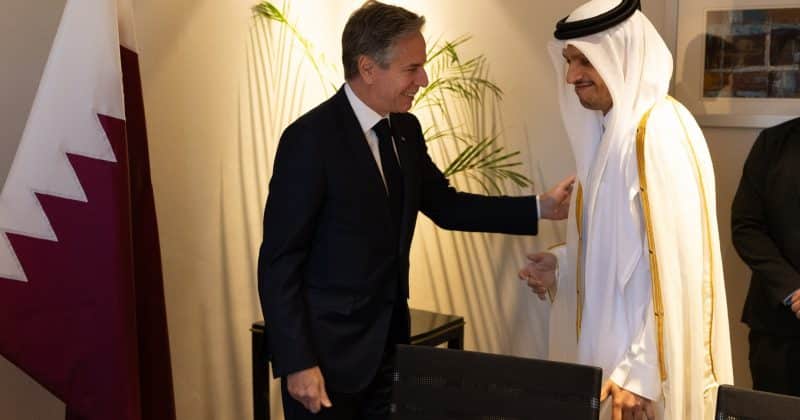
In exchange, the US agreed to lift its naval blockade of Iranian ports and allow a limited resumption of Iranian oil exports. The deal was mediated by Pakistan, with key participants including US President Donald Trump, VP JD Vance, and Iran’s deputy foreign minister Kazem Gharibabadi.
The 60-day window is explicitly an initial period, with broader diplomatic talks expected to follow.
Markets moved fast
Bitcoin’s 3% jump to around $66,000 on the news reflected a broader risk-on sentiment that also lifted other major tokens and equity futures.
Iran’s Hormuz Safe platform, which provides blockchain-verified maritime insurance policies settled in Bitcoin, stands to benefit enormously from normalized shipping traffic through the strait. The platform targets an estimated $10 billion in annual revenue, a figure that would make it one of the largest real-world Bitcoin use cases by transaction volume.
WTI crude’s drop to under $81 per barrel reflects the removal of the chokepoint risk premium created by the tolls and blockade. Shipping industry groups like BIMCO have highlighted that risks remain despite the agreement.
The bigger picture for crypto investors
Hormuz Safe essentially creates a new demand vector for Bitcoin tied to physical trade flows rather than speculation. If the platform scales to its $10 billion annual target, it would represent a sustained, recurring source of Bitcoin transaction volume anchored in real economic activity.
The risk is that the deal falls apart. Sixty days is not long, and any signal that the 60-day window will be extended, or that permanent terms are being discussed, would likely push crude prices lower still.
Disclosure: This article was edited by Editorial Team. For more information on how we create and review content, see our Editorial Policy.






 English (US) ·