
 1 hour ago
16
1 hour ago
16
The US and Iran sat down at Switzerland’s Bürgenstock resort on June 21-22 for high-stakes negotiations that had been delayed by two days. The original June 19 start date was scrapped after violence between Israel and Hezbollah escalated in Lebanon.
The talks, mediated by Qatar and Pakistan, produced what both sides are calling a roadmap to a final agreement within 60 days.
What’s on the table, and who’s at it
The negotiations cover four major pillars: Iran’s nuclear program, sanctions relief, maritime security in the Strait of Hormuz, and de-escalation of the broader conflict in Lebanon.
The delegations were not low-level. US Vice President JD Vance participated on the American side, while Iranian parliamentary speaker Mohammad Bagher Qalibaf represented Tehran. Vance described the meetings as providing a strong foundation for future negotiations. Technical discussions are expected to continue in the weeks ahead.
Sanctions hit Iran’s largest crypto exchange
While diplomats were shaking hands in Switzerland, the US Treasury was applying a different kind of pressure. On June 2, the Treasury sanctioned Nobitex, Iran’s largest cryptocurrency exchange, accusing the platform of processing over 50% of Iran’s digital asset inflows.
What this means for crypto markets
Bitcoin has already shown sensitivity to the diplomatic temperature, with recent gains pushing above $67,000 linked to optimism around the talks.
The sanctions dimension adds another layer of complexity. If a deal materializes and sanctions relief follows, that could reopen Iranian demand for digital assets through legitimate channels. If talks fail and sanctions intensify, expect more exchanges and financial intermediaries to land on Treasury’s blacklist.
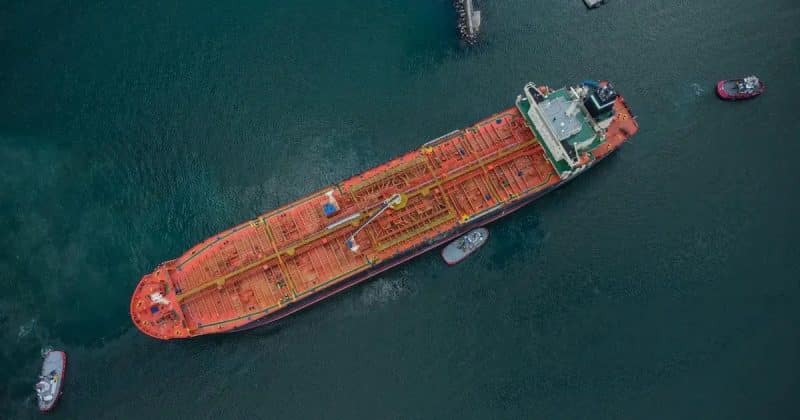
The Strait of Hormuz discussion deserves particular attention from energy-sensitive traders. Roughly 20% of global oil passes through that waterway, and any agreement on maritime security there would have cascading effects on energy prices, inflation expectations, and by extension, risk asset valuations including crypto.
Disclosure: This article was edited by Editorial Team. For more information on how we create and review content, see our Editorial Policy.


 English (US) ·