
 1 hour ago
15
1 hour ago
15
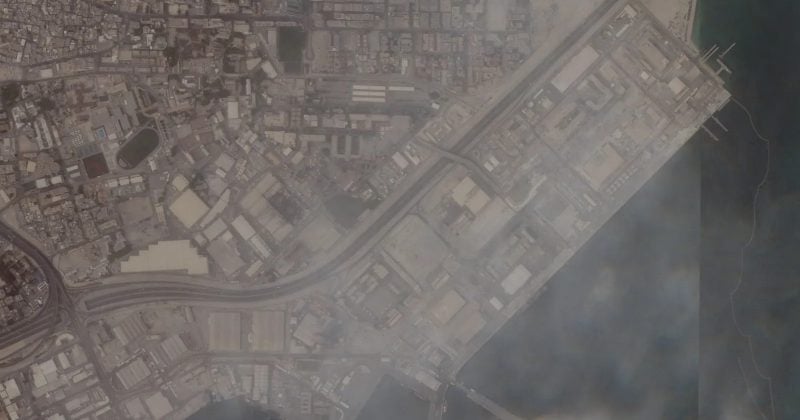
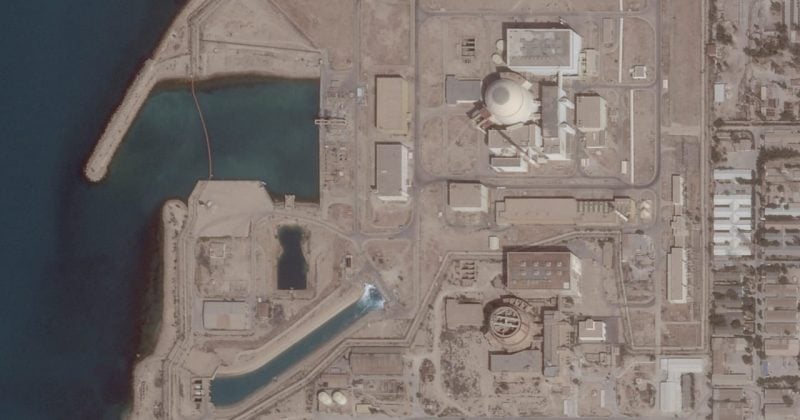
The Strait of Hormuz, a vital maritime chokepoint, has become a focal point in the escalating tensions between the U.S. and Iran. Recent exchanges between the two nations have led to concerns about a potential return to full-scale conflict. U.S. President Donald Trump has maintained that the strait remains open, contrary to Iranian claims of its closure. This dispute follows a series of retaliatory actions that began after the funeral of Iran’s Supreme Leader Ali Khamenei. The area has seen increased military activity, with the U.S. reportedly escorting commercial ships through the strait.
Market participants appear to interpret these developments as supportive of a scenario where fewer ships transit the strait. The likelihood of fewer than 150 ships transiting the Strait of Hormuz between July 6 and July 12 has significantly increased, with markets pricing this outcome at 84.2% YES. This reflects heightened concerns over disruptions in maritime traffic due to the ongoing tensions. Additionally, the market assessing the probability of Iran committing not to attack ships in the strait remains low, currently priced at 0.5% YES, suggesting skepticism over Iran’s willingness to de-escalate.
Key Takeaways
- Market pricing suggests that participants view the risk of reduced ship transits through the Strait of Hormuz as highly likely, with an 84.2% YES probability for fewer than 150 ships.
- The ongoing dispute over the strait’s status and the recent military actions appear consistent with scenarios where maritime traffic is disrupted.
- The likelihood of Iran committing not to attack ships in the Strait of Hormuz remains very low, with market pricing reflecting a 0.5% YES probability.
What to Watch
Observers should monitor any developments regarding negotiations between the U.S. and Iran, particularly any statements or agreements that might indicate a de-escalation of tensions. Key indicators that could impact market perceptions include changes in military activities around the Strait of Hormuz, shifts in diplomatic stances, or announcements from international bodies such as the UK Maritime Trade Operations. The expiration of Iran’s 60-day toll-free window on August 17 could also play a crucial role in shaping future maritime traffic through the strait.
Get live prediction-market analysis, powered by Vera. Sign up for Vera.
Disclosure: This article was edited by Estefano Gomez. For more information on how we create and review content, see our Editorial Policy.






 English (US) ·