
 1 hour ago
15
1 hour ago
15
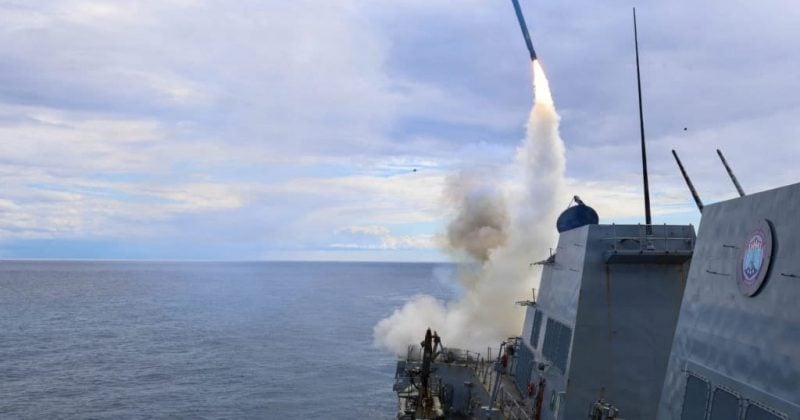
The US military launched a fresh round of strikes against Iranian targets on June 9, 2026, at approximately 5:15 p.m. EDT. The immediate trigger: Iran downed a US Army Apache helicopter in the Strait of Hormuz, one of the most strategically important waterways on the planet.
Bitcoin responded by sliding toward $61,000, reflecting a roughly 2% immediate decline.
What happened and why it matters
US Central Command characterized the strikes as self-defense, a response to what it called aggressive Iranian maneuvers that threatened an already fragile ceasefire. President Trump directed the military operation.
This isn’t a standalone incident. It’s the latest chapter in a conflict that has been escalating since February 28, 2026, when joint US-Israeli airstrikes hit Iranian targets. Those strikes resulted in high-profile Iranian casualties, including the assassination of Supreme Leader Ali Khamenei.
The Strait of Hormuz, where the Apache was shot down, isn’t just any stretch of water. Roughly one-fifth of the world’s oil supply passes through it daily.
Crypto markets take another hit
When the US launched strikes against Iran in May 2026, Bitcoin plummeted below $73,000. That single event triggered approximately $1 billion in leveraged liquidations. The broader crypto market lost an estimated $80 billion in value.
Now Bitcoin is trading near $61,000, well below those May levels.
What this means for investors
For traders running leveraged positions, the May liquidation cascade should serve as a cautionary tale. A billion dollars in liquidations happened in a single event. With Bitcoin now sitting at significantly lower levels, the margin for error on leveraged longs is even thinner.
Spot holders face a different calculation. Bitcoin at $61,000 represents a steep discount from its levels earlier in the year.
Disclosure: This article was edited by Editorial Team. For more information on how we create and review content, see our Editorial Policy.








 English (US) ·