
 1 hour ago
22
1 hour ago
22
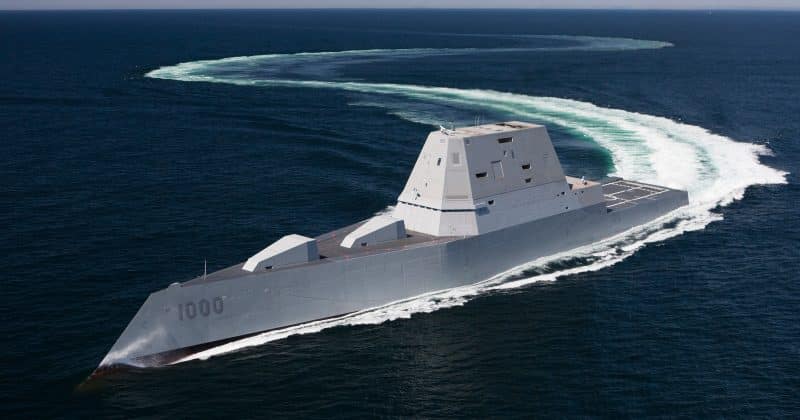
The US military is preparing to lift its naval blockade of the Strait of Hormuz as early as Friday, contingent on Iran signing an agreement that would cap months of escalating hostilities between the two nations.
Bitcoin has already responded. The announcement on June 14 by President Donald Trump pushed prices higher as traders priced in reduced geopolitical risk.
How we got here
The current standoff traces back to February 28, 2026, when US and Israeli forces launched strikes on Iran. What followed was a diplomatic scramble that failed to produce results, with talks in Islamabad collapsing without an agreement.
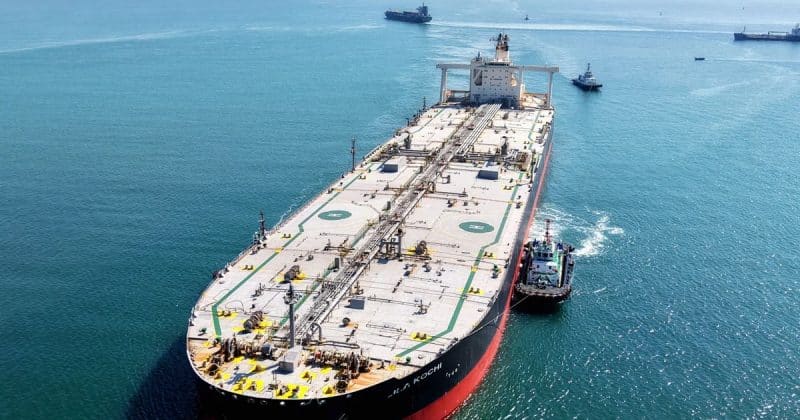
On April 13, the US imposed a naval blockade on Iranian ports. The Strait of Hormuz is roughly 21 miles wide at its narrowest point. Since the blockade began, US forces have redirected over 100 vessels.
Trump’s June 14 announcement described what he called a groundbreaking interim agreement, one that includes the “immediate removal of the United States Naval blockade.” The formal deal signing is scheduled for Switzerland on June 19. The agreement reportedly includes sanctions relief for Iran, aiming for a more comprehensive resolution rather than a temporary pause in hostilities.
Bitcoin’s geopolitical trade
A blockchain platform called “Hormuz Safe” has reportedly been developed to facilitate insurance for maritime transits through the strait and potentially collect transit fees. The plans associated with this platform are said to exceed $10 billion in scope.
What this means for investors
On the energy side, reopening the Strait of Hormuz would relieve pressure on global oil prices by restoring Iranian export capacity and normalizing shipping routes that have been disrupted for two months.
The Hormuz Safe platform is worth watching closely. If Iran gains access to more of the global financial system through sanctions relief, a platform built to circumvent restrictions becomes less necessary when those restrictions are lifted, which could paradoxically undermine one of the most ambitious blockchain use cases to emerge from this conflict.
The Switzerland signing on June 19 isn’t guaranteed, and even signed agreements can unravel when implementation details get thorny. If the deal collapses, expect a sharp reversal in the risk-on trade that’s been building since June 14.
Disclosure: This article was edited by Editorial Team. For more information on how we create and review content, see our Editorial Policy.







 English (US) ·