
 3 months ago
72
3 months ago
72
The memorandum of understanding between the US and Iran, signed on June 17, 2026, was supposed to be a diplomatic breakthrough. It laid out a 60-day window to resolve the thorniest issue in Middle Eastern geopolitics: Iran’s nuclear program. Three days later, the timeline was already in jeopardy.
Escalating hostilities between Israel and Hezbollah in southern Lebanon have forced Iran to postpone planned nuclear negotiations in Switzerland. The postponement threatens to unravel months of painstaking diplomacy and introduces a fresh wave of uncertainty into markets that were just starting to price in the possibility of a deal.
What happened and why it matters
The MOU between Washington and Tehran was contingent on two preconditions: a broader ceasefire in the region and the reopening of the strategically critical Strait of Hormuz. Neither condition has proven easy to sustain.
On June 19-20, Israel and Hezbollah agreed to renew a truce after a series of intensified clashes. But the damage to the diplomatic calendar was already done. Iran’s decision to pull out of the Switzerland talks signals that Tehran views the Lebanon conflict not as a sideshow, but as a central obstacle to any nuclear agreement.
The broader conflict didn’t materialize out of nowhere. The 2026 Iran war began on February 28, when US and Israeli strikes hit Iranian targets. What followed was a rapid escalation that pulled in Hezbollah, Iran’s most significant proxy force, and turned southern Lebanon into an active warzone once again.
A long history of failed frameworks
To understand why this moment is so precarious, you need to rewind to 2015. That year, the Joint Comprehensive Plan of Action, commonly known as the JCPOA or the Iran nuclear deal, represented the high-water mark of US-Iran diplomacy. The agreement placed limits on Iran’s nuclear enrichment in exchange for sanctions relief.
Then the US withdrew from the JCPOA in 2018. In the years since, Iran has steadily increased its enrichment levels, and the two countries have engaged in an escalating cycle of sanctions, provocations, and military posturing.
The June 2026 MOU was notable precisely because it represented the first structured framework for nuclear talks since the JCPOA’s collapse. A 60-day timeline was ambitious, bordering on optimistic. With the Switzerland talks now postponed indefinitely, even that ambitious clock has stopped ticking.
The Strait of Hormuz adds another layer of complexity. Roughly one-fifth of the world’s petroleum passes through that narrow waterway. Its closure, or even the credible threat of closure, sends immediate shockwaves through global energy markets. The MOU’s inclusion of Hormuz reopening as a precondition acknowledged something obvious: you can’t separate Iran’s nuclear ambitions from its leverage over global oil supply.
What this means for investors
Oil markets are the most direct transmission mechanism. Any further escalation in the Israel-Hezbollah conflict, or a breakdown of the fragile truce, raises the prospect of broader regional instability and supply disruption fears.
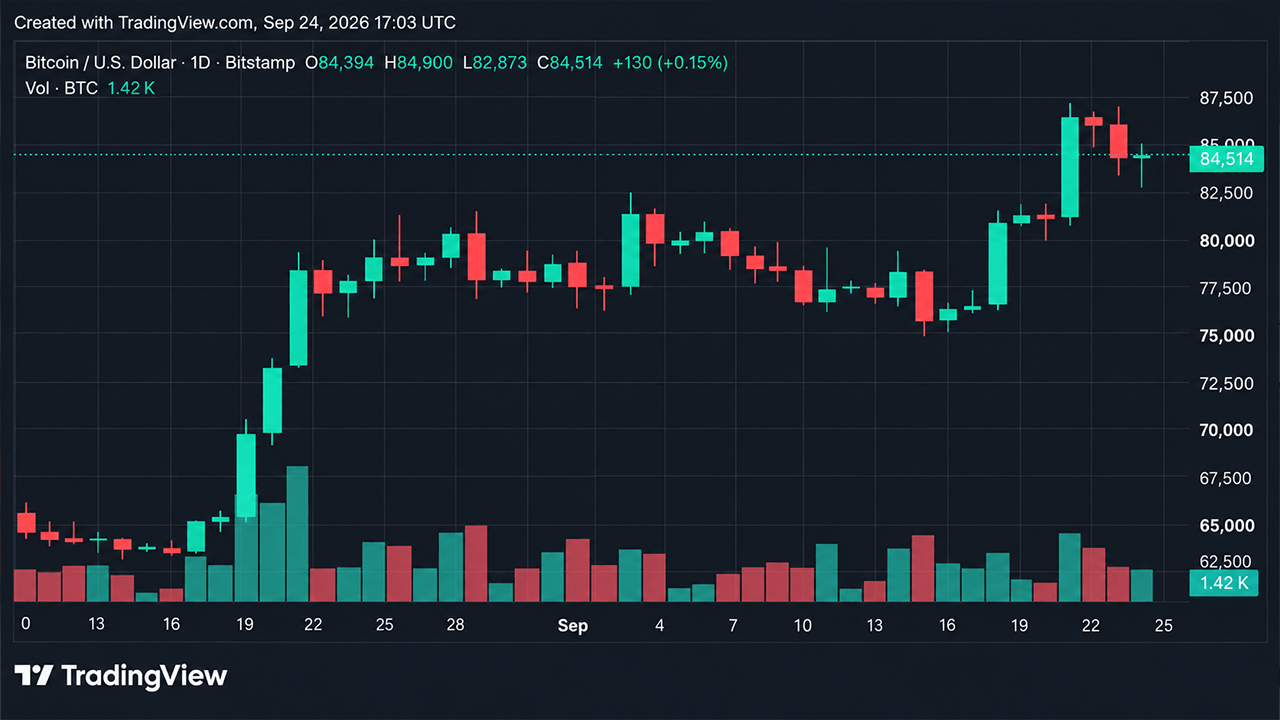
For crypto markets, Bitcoin has historically shown sensitivity to major geopolitical shocks. In previous instances of Middle Eastern escalation, Bitcoin has experienced sharp sell-offs, with prices dropping below $64,000 as risk-off sentiment gripped markets.
The correlation between geopolitical tension and crypto volatility cuts both ways, though. Some investors treat Bitcoin as a hedge against traditional market instability, particularly when conflicts threaten oil supply and fiat currency stability.
Disclosure: This article was edited by Editorial Team. For more information on how we create and review content, see our Editorial Policy.



 English (US) ·