
 10 hours ago
19
10 hours ago
19
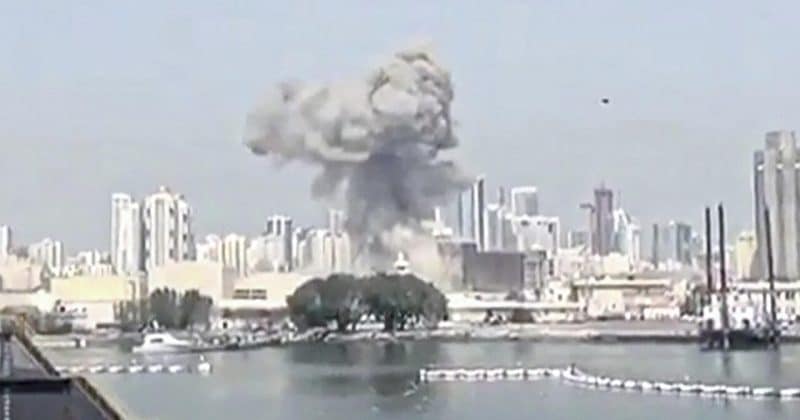
The US military hit Iranian coastal radar and surveillance installations on Tuesday evening, targeting sites at Goruk and on Qeshm Island in what US Central Command described as defensive strikes. The action came after American forces intercepted four Iranian attack drones aimed at the Strait of Hormuz, the narrow waterway through which roughly a fifth of the world’s oil supply passes daily.
For crypto investors, the calculus is straightforward: when missiles fly near the world’s most important oil chokepoint, risk assets get punished. Bitcoin has already fallen below $73,000 amid the escalating military tensions, and the broader conflict has triggered nearly $1 billion in crypto liquidations during earlier phases of the standoff.
What happened and why it matters
The strikes, which took place on or around June 5-6, specifically targeted radar installations that the US military deemed threats to maritime shipping routes.
Iran has claimed the US strikes violated a fragile ceasefire agreement between the two nations. That framing matters because it signals Tehran views the diplomatic guardrails as broken, which raises the probability of further retaliation.
The two countries have been locked in a cycle of tit-for-tat retaliations since February 2026, with each exchange ratcheting up the intensity. Oil prices climbed following the latest strikes.
The crypto fallout
Bitcoin’s decline below $73,000 in June reflects this dynamic. The cryptocurrency had already been under pressure from prior strikes in May, and the latest escalation added further pressure on an already nervous market.
The nearly $1 billion in crypto liquidations observed during earlier phases of the conflict illustrates how leveraged positions amplify geopolitical risk. When prices start falling, margin calls cascade. Traders running 10x or 20x leverage don’t get to wait for a diplomatic resolution. They get liquidated.
The sanctions and digital currency angle
Iran has reportedly continued to rely on digital assets as a tool for economic maneuvers amid international sanctions. The US has previously taken action to freeze Iranian-held crypto assets, signaling that blockchain-based finance is now firmly embedded in the geopolitical toolkit of both nations.
Every time Iran’s use of digital currencies for sanctions evasion makes headlines alongside military strikes, it hands ammunition to regulators who argue the industry needs tighter controls.
What investors should watch
For traders, the key levels to monitor are Bitcoin’s behavior around the $73,000 zone. A sustained break below that threshold during previous military escalations triggered the largest liquidation cascades.
Iran’s claim that the US violated the existing ceasefire agreement suggests diplomatic channels are fraying. If the ceasefire formally collapses, markets will need to price in a sustained period of military engagement rather than isolated incidents.
Oil prices are the leading indicator here. Every dollar increase in oil prices tightens financial conditions globally, strengthens the dollar, and creates headwinds for risk assets including Bitcoin.
Gold has rallied during the escalations. Bitcoin has not.
Disclosure: This article was edited by Editorial Team. For more information on how we create and review content, see our Editorial Policy.








 English (US) ·