
 3 months ago
53
3 months ago
53
- XLM requires a move to $10 for a $1M outcome, while HBAR would need to reach $20
- More realistic targets suggest XLM could reach $2–$3 and HBAR $1–$3 by 2027
- Stellar offers higher total upside, while Hedera may deliver stronger returns per dollar invested
Stellar and Hedera keep popping up in the same conversation, and it’s not really surprising. On paper, both offer very different entry points, which makes the comparison feel less about hype and more about simple math, timing… and expectations. A 100,000 XLM position looks big, almost impressive, while 50,000 HBAR feels much easier to build, especially for someone starting with less capital.
But here’s where it gets interesting. The real question isn’t which one sounds better or has the stronger narrative. It’s which setup actually has a believable path to serious returns within a few years. That’s where things start to separate.
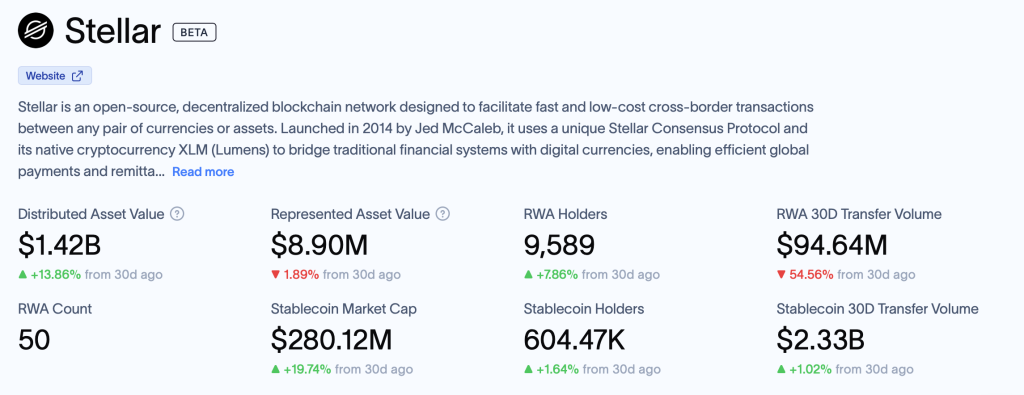
Stellar’s Path: Bigger Position, But a Steep Climb
At around $0.40 per token, building a 100,000 XLM position costs roughly $40,000 today. Not small. And for that position to hit $1 million by 2027, XLM would need to reach $10, which… is a big ask, to say the least.
To put that into perspective, Stellar’s previous all-time high was around $0.87 back in 2018. So a move to $10 wouldn’t just be growth, it would be a massive expansion beyond anything it has done before. It would likely need strong institutional adoption, widespread payment usage, more stablecoin activity, and a wave of retail interest that we just haven’t seen recently.
Then there’s the market cap factor. At $10, XLM would be pushing toward a valuation somewhere near $500 billion, assuming supply stays similar. That’s not impossible in crypto, but it’s definitely… ambitious.
Hedera’s Setup: Lower Entry, But an Even Tougher Target
HBAR tells a different story. At around $0.18, accumulating 50,000 tokens costs closer to $9,000, which is far more accessible. That’s part of its appeal, lower barrier, higher perceived upside.
But the math gets tricky once you aim for the same $1 million goal. For 50,000 HBAR to reach that level, the price would need to climb to $20. That’s more than a 100x move from current levels, which is, realistically, extremely demanding.
Hedera’s previous peak was around $0.57 in 2021. So pushing to $20 would require not just growth, but a complete shift in adoption, massive enterprise use, and probably a strong speculative cycle layered on top. It would also push Hedera into valuations competing with the largest crypto assets out there. Possible? Maybe. Likely by 2027… that’s another question.
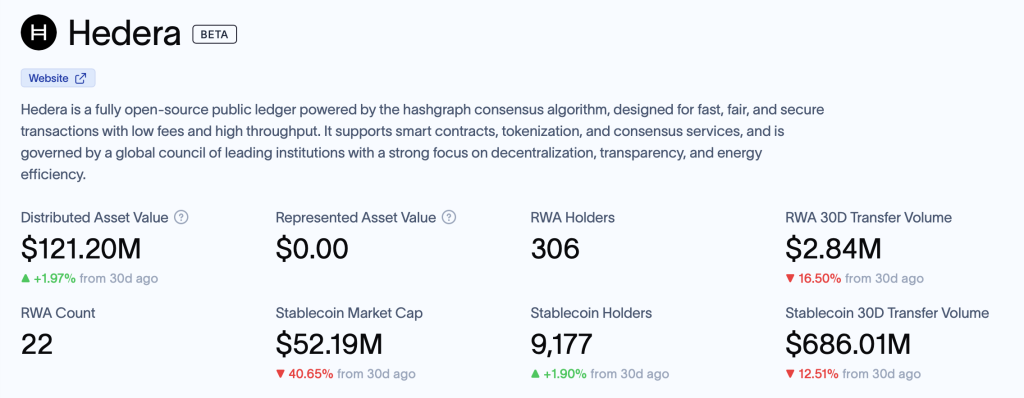
A More Realistic Outlook Changes the Picture
When you step away from the “millionaire by 2027” idea, things start to look a lot more grounded, and honestly, more useful. For Stellar, a strong scenario might place XLM somewhere between $2 and $3 if adoption continues to grow. That would turn a 100,000 XLM position into roughly $200,000 to $300,000.
HBAR has its own realistic case. If enterprise adoption expands and tokenization trends pick up, a move to $1 or even $3 isn’t out of reach. That would put a 50,000 HBAR position somewhere between $50,000 and $150,000.
And this is where the difference becomes clearer. Stellar offers more absolute upside in dollar terms, mostly because the starting position is larger. Hedera, on the other hand, offers stronger percentage gains if it performs well, since the entry cost is lower.
Two Different Strategies, Two Different Outcomes
In the end, this isn’t really about which coin is “better.” It’s more about what kind of strategy you’re leaning toward. Stellar seems to offer a more believable path toward higher valuations over time, maybe not immediately, but gradually. It feels steadier, more tied to real-world payment use cases.
Hedera, meanwhile, leans toward efficiency. Smaller capital, potentially higher returns per dollar, but with a tougher climb to reach those extreme targets. It’s a bit more aggressive, maybe a bit more uncertain too.
So yeah, the debate lands somewhere practical. If the goal is building toward a larger long-term position, XLM might have the edge. But if the focus is maximizing upside from a smaller starting point… HBAR starts to look pretty interesting.
Disclaimer: BlockNews provides independent reporting on crypto, blockchain, and digital finance. All content is for informational purposes only and does not constitute financial advice. Readers should do their own research before making investment decisions. Some articles may use AI tools to assist in drafting, but every piece is reviewed and edited by our editorial team of experienced crypto writers and analysts before publication.





 English (US) ·