
 3 months ago
57
3 months ago
57
- XRP and Solana have both fallen more than 50% over the past six months, creating lower entry prices.
- XRP focuses on financial infrastructure and institutional adoption through the XRP Ledger.
- Solana currently shows stronger ecosystem growth through DeFi activity and developer adoption.
Both XRP and Solana have taken a heavy beating over the past six months. Each coin has lost more than half its value during that stretch, leaving prices looking noticeably cheaper than they did not long ago. For long-term investors, that kind of decline often sparks the same question: is this a discount… or a warning?
Right now, XRP sits around $1.45 while Solana trades near $92. After such sharp drops, the entry points might seem attractive. But price alone doesn’t tell the full story. Anyone thinking about putting $2,000 into either asset and holding it for the next decade really needs to look at what these networks are actually trying to build.
Because in the end, crypto projects don’t survive on hype alone. Their long-term value depends on whether their underlying ecosystems continue expanding.
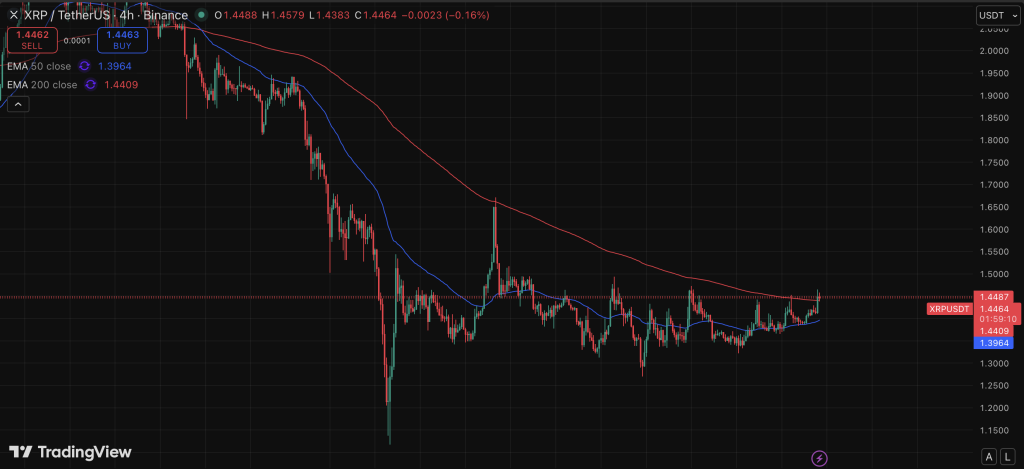
XRP Focuses on Financial Infrastructure and Institutional Adoption
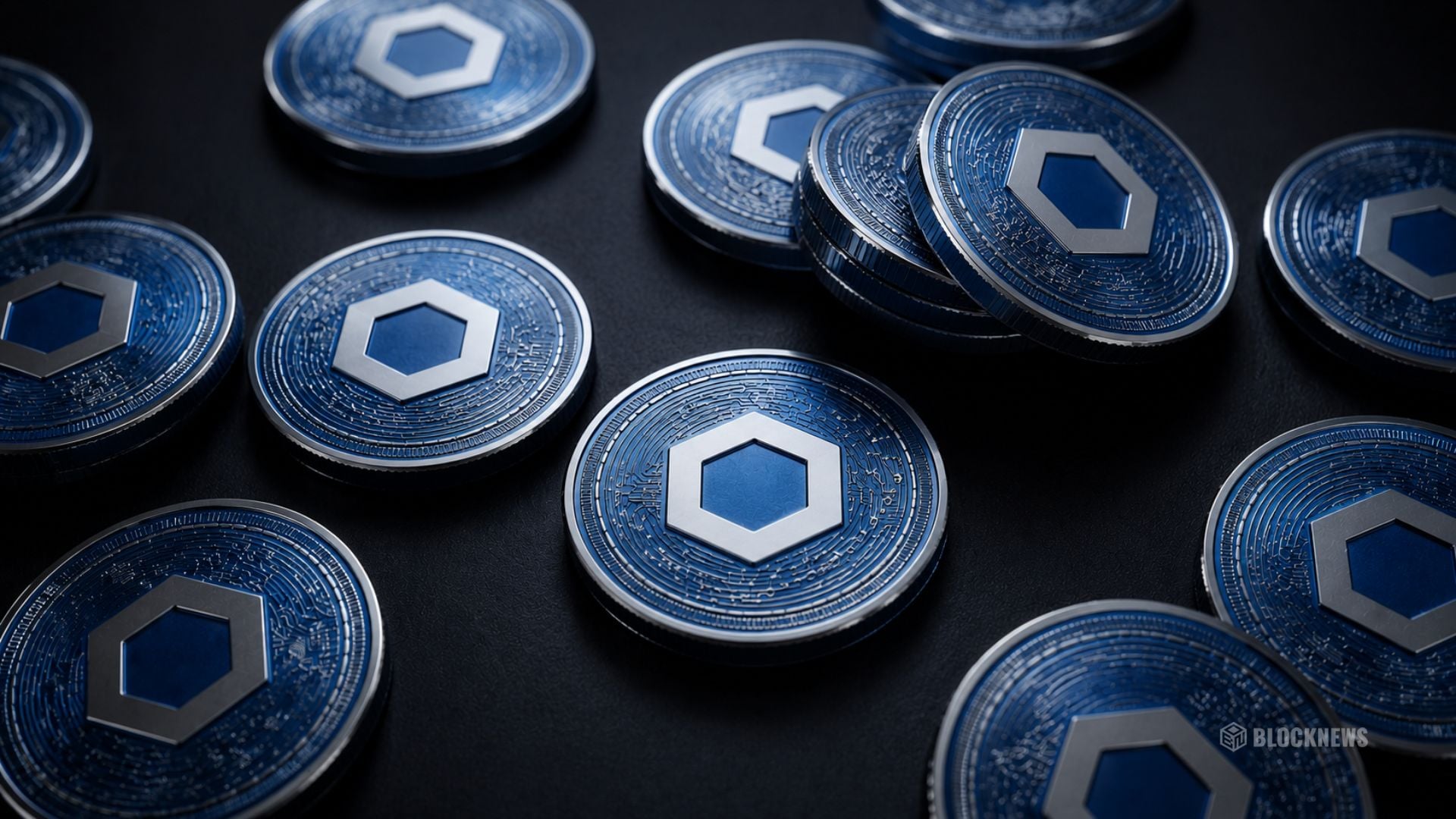
Ripple, the company closely tied to XRP’s development, has been quietly building something that resembles a full-scale financial services ecosystem. The XRP Ledger sits at the center of that effort, acting as the technological backbone for payment settlement and asset movement.
One of Ripple’s biggest moves came last year when it acquired prime broker Hidden Road for about $1.2 billion. That brokerage processes roughly $3 trillion in annual turnover, and its post-trade settlement operations are gradually shifting onto the XRP Ledger. If that transition fully materializes, it would mark a significant step toward integrating blockchain infrastructure with traditional finance.
At the same time, spot XRP exchange-traded funds have attracted about $1.1 billion in capital inflows since late 2025. That’s not insignificant. It shows institutional interest hasn’t disappeared, even after the broader market downturn.
Ripple is also working to expand the XRP Ledger’s ability to support tokenized real-world assets. The idea is to make the network more attractive for banks, asset managers, and financial firms that want blockchain-based settlement and asset management tools.
Solana Targets a Broader Crypto Ecosystem
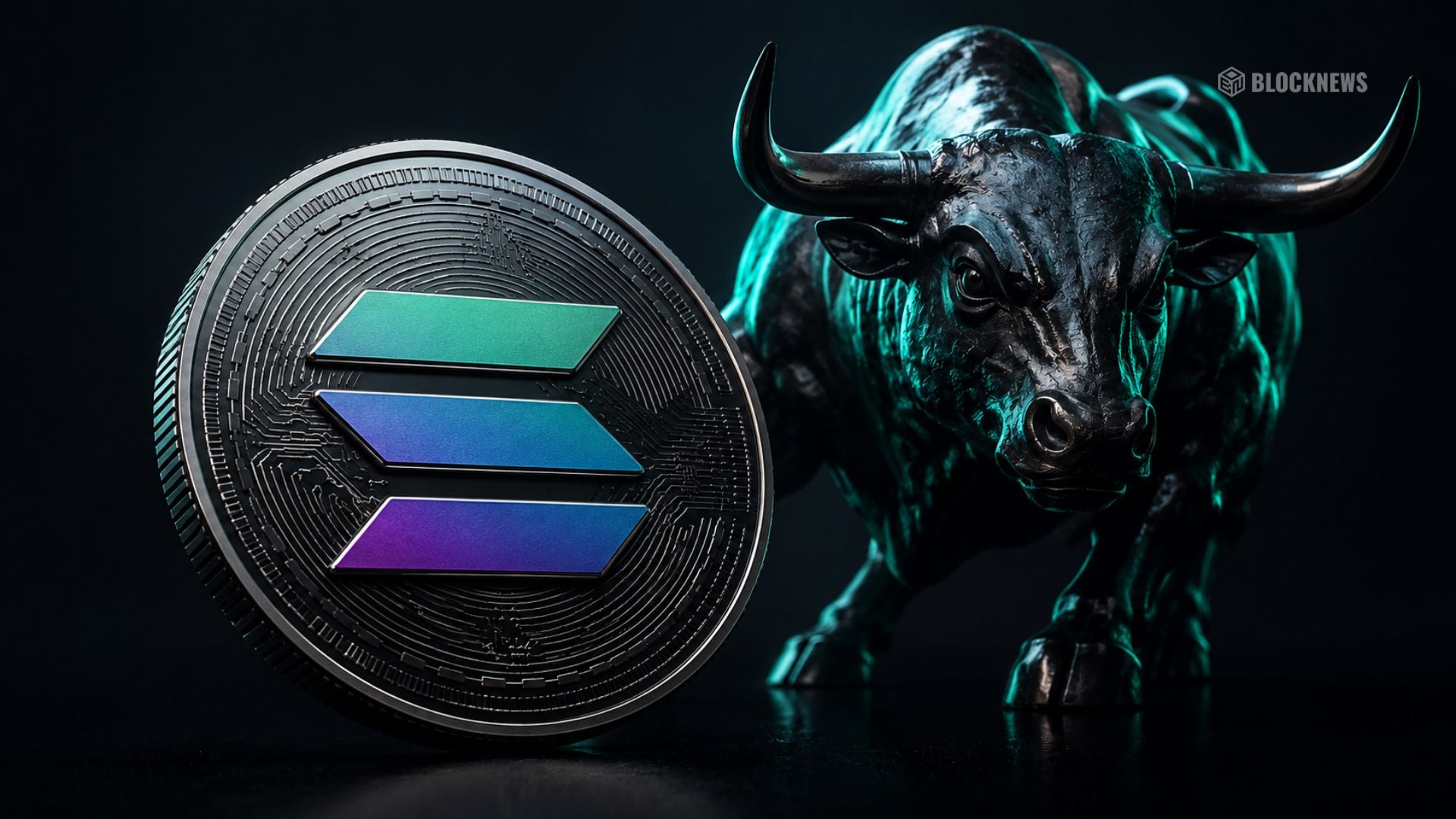
Solana’s approach looks quite different. Rather than focusing heavily on traditional financial institutions, Solana has built its reputation around decentralized finance and on-chain applications.
Its ecosystem currently holds around $6.6 billion in total value locked across DeFi projects. That figure represents the amount of capital actively deployed inside decentralized services like lending protocols, decentralized exchanges, and liquidity pools.
Unlike the XRP Ledger, Solana supports smart contracts natively. That allows developers to build a wide range of applications directly on the chain, from trading platforms to gaming projects and NFT marketplaces.
Solana has also attracted substantial investment interest. Since their launch last year, spot Solana ETFs have pulled in roughly $1.5 billion in inflows—slightly more than XRP’s ETF products.
Another difference lies in tokenized assets. Solana currently hosts significantly more tokenized capital on its network compared to XRPL, which may give it an edge in attracting developers experimenting with new financial models.
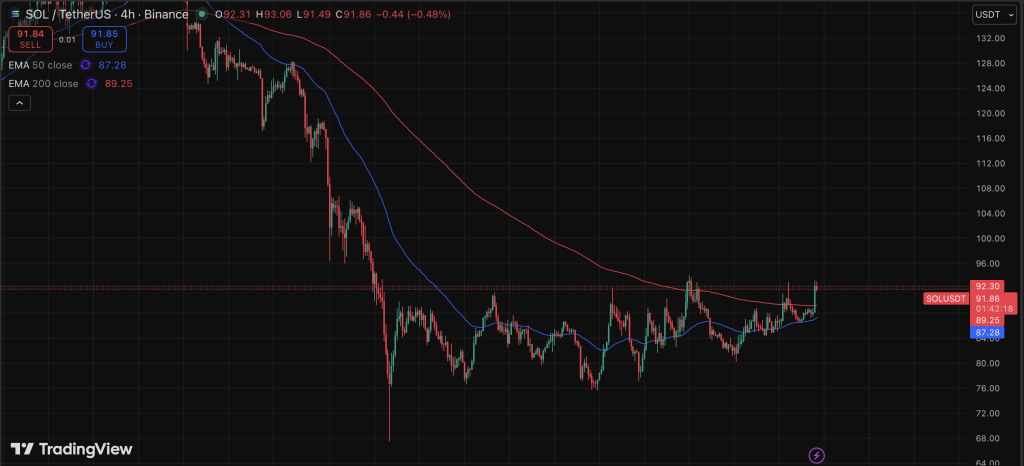
Risks Exist for Both Projects
Of course, neither project is without its challenges. XRP’s biggest risk lies in its reliance on traditional financial institutions adopting its technology. Banks and financial firms have many options when it comes to settlement infrastructure, both blockchain-based and traditional.
If those institutions choose alternative systems instead of the XRP Ledger, Ripple’s long-term growth narrative could weaken considerably.
Solana faces a different kind of risk—its ecosystem itself. Rapid innovation can sometimes lead to instability. For example, a meme coin launchpad operating within the Solana ecosystem is currently facing a class-action lawsuit, which has drawn attention to governance and oversight concerns.
The network also faces competition from several other high-performance blockchains, all of which are racing to capture developers and capital. Solana may currently sit near the top of that group, but crypto leadership can shift quickly.
Which Looks Stronger Over the Next Decade?
When comparing the two purely as long-term investments, Solana arguably has the stronger momentum right now. Its ecosystem is already active, developers continue building new applications, and capital remains deeply embedded within its DeFi infrastructure.
That doesn’t mean XRP lacks potential. If Ripple succeeds in integrating blockchain settlement directly into global financial systems, the upside could be significant.
Still, Solana’s current traction across decentralized applications, asset tokenization, and developer activity makes it look like the slightly more compelling option for a $2,000 investment intended to sit untouched for the next ten years.
That said, many investors prefer diversification in crypto. Holding both assets could provide exposure to two very different visions of how blockchain technology might evolve—one rooted in institutional finance, the other in decentralized digital economies.
Disclaimer: BlockNews provides independent reporting on crypto, blockchain, and digital finance. All content is for informational purposes only and does not constitute financial advice. Readers should do their own research before making investment decisions. Some articles may use AI tools to assist in drafting, but every piece is reviewed and edited by our editorial team of experienced crypto writers and analysts before publication.



 English (US) ·