
 1 month ago
26
1 month ago
26
- Art Basel Hong Kong launches Zero 10, focused on serious digital art infrastructure
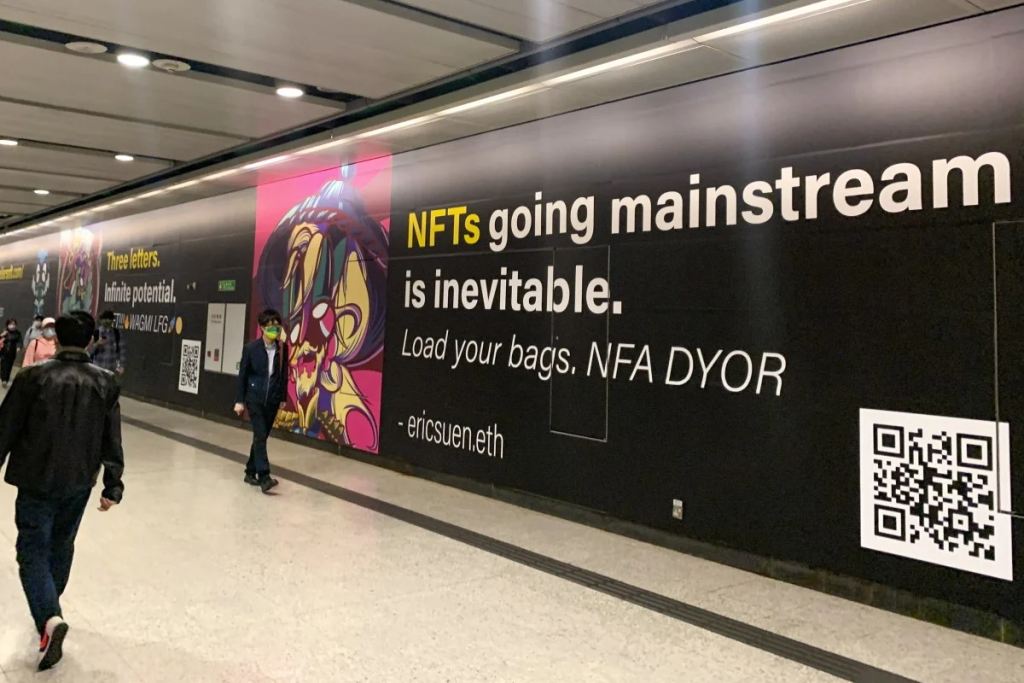
- NFT speculation collapsed, but the underlying technology kept evolving
- Tokenization and blockchain-backed ownership are spreading far beyond collectibles
The NFT mania of 2021 is gone, and honestly, most people are relieved about that part. The endless celebrity collections, million-dollar profile pictures, and overnight speculation burns didn’t exactly leave the space with a great reputation.
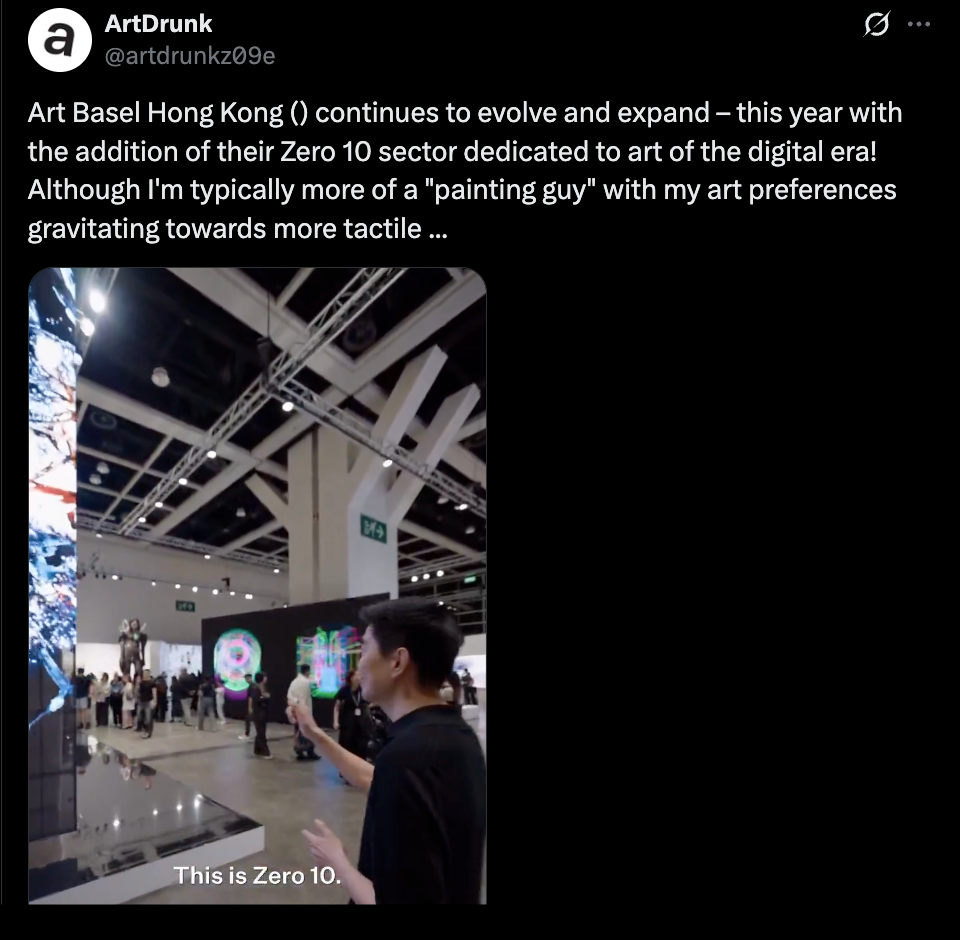
But underneath all that noise, something much more durable kept developing, and Art Basel’s new Zero 10 initiative is probably one of the clearest signs yet that the next phase has already started.
The Speculators Left, the Collectors Stayed
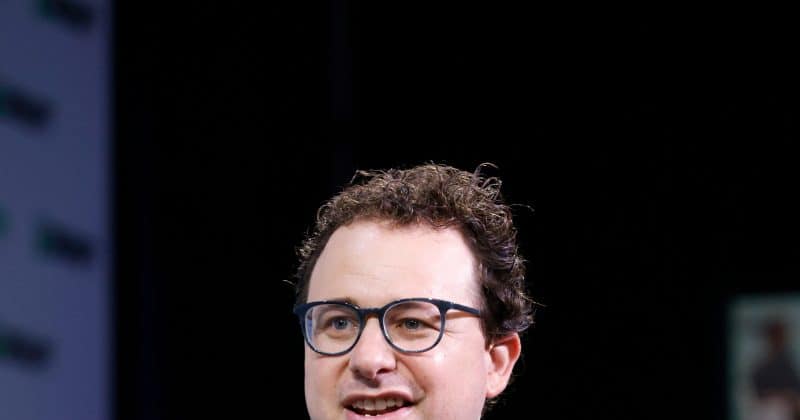
According to Eli Scheinman, curator of Art Basel Hong Kong’s digital-focused Zero 10 space, the crash after 2022 wasn’t the death of digital art, it was more like a market cleanse.
A lot of speculative money disappeared, but some of the people who entered during the hype cycle stayed behind and became actual collectors and supporters of digital artists, which quietly changed the foundation of the market.
NFTs Were Never Really the Main Story
What’s becoming clearer now is that the underlying blockchain infrastructure mattered more than the speculative assets attached to it. The bubble may have centered around NFTs, but the long-term value came from tokenization, verifiable ownership, and digital provenance.
Those ideas didn’t disappear after prices collapsed, they spread into broader financial and creative systems instead.
The Technology Kept Advancing
While public attention faded, the infrastructure improved significantly. Tokenization is now being explored across bonds, private credit, real estate, and other traditional financial markets, while digital ownership systems continue maturing in the background.
In other words, the hype cycle ended, but the technology kept quietly winning.
Digital Art Is Becoming Legitimate
Art Basel’s involvement matters because institutions historically move slowly, especially in art markets. The creation of dedicated spaces for blockchain-native art suggests digital collecting is no longer being treated as a temporary trend or internet experiment.
It’s increasingly being viewed as a legitimate artistic medium, similar to how photography slowly evolved into accepted fine art decades ago.
What Comes Next Looks Different
The next phase of NFT-related art probably won’t look much like the last one. Instead of pure speculation around static collectibles, creators are moving toward interactive experiences, immersive environments, and tokenized participation layered into broader creative ecosystems.
That shift feels less like a casino and more like an actual medium developing its own identity.
The Infrastructure Outlived the Bubble
The million-dollar JPEG era may be over, but the broader idea behind NFTs, programmable ownership and verifiable digital assets, survived the crash surprisingly well.
And now, with institutions, artists, and financial firms all building on top of that infrastructure, it’s becoming harder to argue the technology failed. If anything, it just matured after the speculation burned away.
Disclaimer: BlockNews provides independent reporting on crypto, blockchain, and digital finance. All content is for informational purposes only and does not constitute financial advice. Readers should do their own research before making investment decisions. Some articles may use AI tools to assist in drafting, but every piece is reviewed and edited by our editorial team of experienced crypto writers and analysts before publication.




 English (US) ·