
 6 months ago
115
6 months ago
115
- Miners are reallocating infrastructure toward AI workloads for stable revenue
- Post-halving pressure is forcing a rethink of traditional mining models
- AI competition for power and hardware could reshape Bitcoin network growth
Bitcoin mining has always been a tight-margin business, but the latest halving has made that reality harder to ignore. Block rewards dropped, energy costs didn’t, and suddenly the math doesn’t look as forgiving as it used to. For many operators, it’s no longer just about scaling hashrate, it’s about survival, or at least sustainability in a more constrained environment.
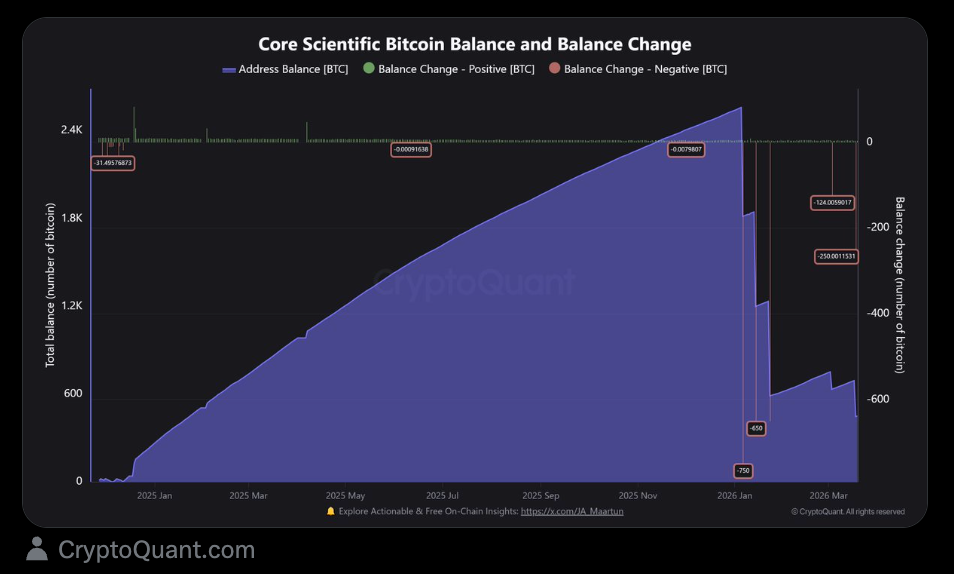
That’s where the shift toward AI comes in. Companies like Core Scientific are already reallocating parts of their infrastructure toward AI compute, tapping into demand for training and inference workloads. Compared to mining, AI offers more predictable revenue per unit of energy, which, right now, is a pretty compelling trade-off.
Mining Economics Are Starting to Change
If this trend continues, Bitcoin mining doesn’t disappear, but its dynamics start to shift. Instead of constant expansion and competition for hashrate dominance, the focus may move toward efficiency and selective deployment. Growth slows, not because the network weakens, but because incentives evolve.
A slower pace of hashrate expansion could reduce competitive pressure among miners. That might stabilize margins for those who remain fully committed to mining, but it also signals a different kind of industry, less aggressive, more calculated.
AI and Bitcoin Are Competing for the Same Resources
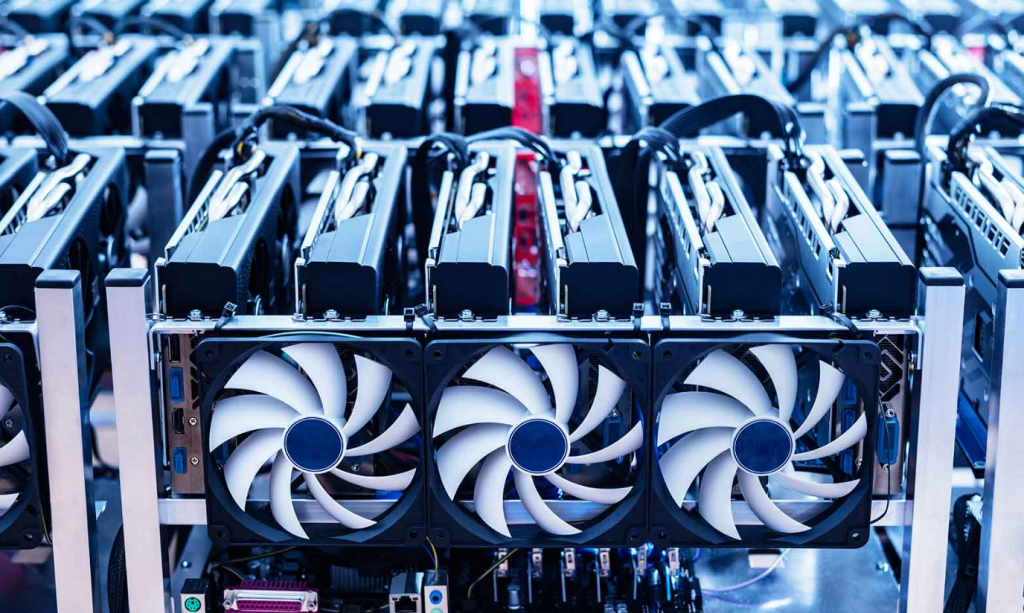
What’s often overlooked is that AI and Bitcoin mining rely on the same core inputs, power, hardware, and data center capacity. As AI demand surges, it has the potential to outbid mining operations for those resources, especially during periods when BTC prices are underperforming.
That creates a subtle but important shift. Miners aren’t just competing with each other anymore, they’re competing with an entirely different industry that may be willing to pay more for the same infrastructure. Over time, that competition could reshape how resources are allocated across both sectors.
This Isn’t an Exit, It’s a Hedge
It’s important to note that miners aren’t abandoning Bitcoin. What they’re doing is building a parallel revenue stream, a fallback that can support operations when mining margins tighten. In a way, it’s a hedge against volatility, one that makes their business models more resilient.
But if enough miners lean into this strategy, the collective impact could be meaningful. Hashrate growth may slow, network expansion could become more measured, and the incentives driving mining behavior may gradually change.
A Quiet Shift With Long-Term Impact
This transition isn’t loud or dramatic, at least not yet. It’s happening gradually, almost quietly, as operators adjust to new economic realities. But over time, it could influence how the Bitcoin network evolves, possibly more than headline events like halvings.
If AI continues to pull in infrastructure and capital, Bitcoin mining may become just one part of a broader compute economy. And that shift, subtle as it seems now, could end up redefining how the industry operates in the years ahead.
Disclaimer: BlockNews provides independent reporting on crypto, blockchain, and digital finance. All content is for informational purposes only and does not constitute financial advice. Readers should do their own research before making investment decisions. Some articles may use AI tools to assist in drafting, but every piece is reviewed and edited by our editorial team of experienced crypto writers and analysts before publication.





 English (US) ·