
 1 hour ago
6
1 hour ago
6
President Donald Trump has turned to one of the most powerful tools in the executive branch’s arsenal, the Defense Production Act, to accelerate US weapon production. The move is aimed at strengthening the domestic defense industrial base at a time when geopolitical tensions are stretching American stockpiles thin.
The DPA, originally passed in 1950 during the Korean War, gives the president authority to direct private industry to prioritize government contracts, expand production capacity, and secure critical supply chains.
What Trump actually did
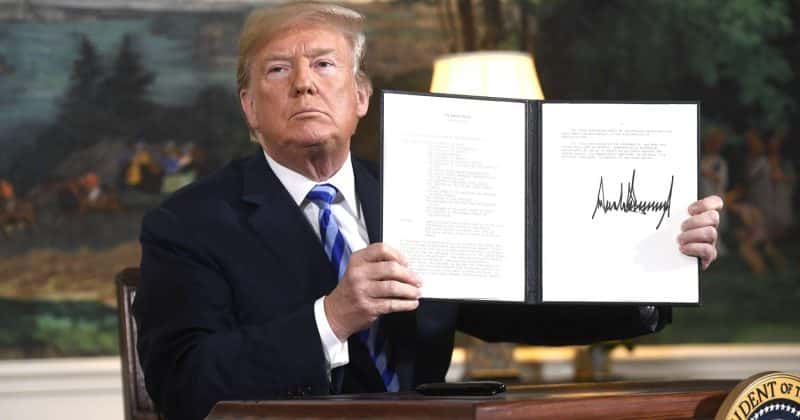
On May 23, 2025, Trump issued a memorandum waiving certain statutory requirements under Section 303 of the Defense Production Act for both munitions and critical minerals, clearing regulatory hurdles slowing down domestic production of bullets, bombs, and the raw materials needed to make them.
Previous DPA invocations dating back to March 2025 targeted critical minerals. By April 2026, the scope expanded further to include energy production.
In January 2026, an executive order required the Secretary of War to identify underperforming defense contractors and authorized the use of DPA remedies against them.
By March 2026, reports indicated the White House was actively deliberating additional DPA measures to accelerate munitions production specifically to replenish stockpiles depleted by ongoing conflict with Iran.
Why this matters beyond the Pentagon
The critical minerals angle is particularly significant. The US has long been dependent on foreign sources, China chief among them, for rare earth elements essential to advanced weapons systems. Using the DPA to boost domestic mining and processing isn’t just a military play — it’s an industrial policy decision that could reshape entire supply chains over the coming decade.
The Iran conflict context is worth noting. Replenishing munitions stockpiles during an active geopolitical confrontation signals that current production rates aren’t keeping pace with consumption, a problem the US also faced when supplying Ukraine during the earlier phase of the Russia-Ukraine war.
What investors should watch
Companies identified as underperforming under the January 2026 executive order face government intervention that could mean forced changes to operations or leadership.
Domestic mining and processing companies working with rare earth elements, tungsten, titanium, and other defense-relevant materials could see significant tailwinds from sustained government prioritization. However, new production capacity takes years to come online even with regulatory waivers, meaning the near-term supply picture may remain tight.
Disclosure: This article was edited by Editorial Team. For more information on how we create and review content, see our Editorial Policy.







 English (US) ·