
 2 hours ago
9
2 hours ago
9
The European Parliament just gave the green light to a trade deal with the United States that, not long ago, seemed unlikely to exist at all. The vote passed 440 to 151, with 50 abstentions, formally approving legislation designed to pull both economies back from the brink of a full-blown tariff war.
What’s actually in the deal
The agreement caps US tariffs on most EU exports at 15%. That’s the headline number, but there are carve-outs for sectors like aircraft and pharmaceuticals, which operate under different terms.
In return, the EU agreed to eliminate duties on US industrial goods. It will also provide preferential access for certain American agricultural and seafood products, including maintaining zero duties on US lobsters.
The deal also includes EU commitments reaching hundreds of billions in investment and energy purchases from the US.
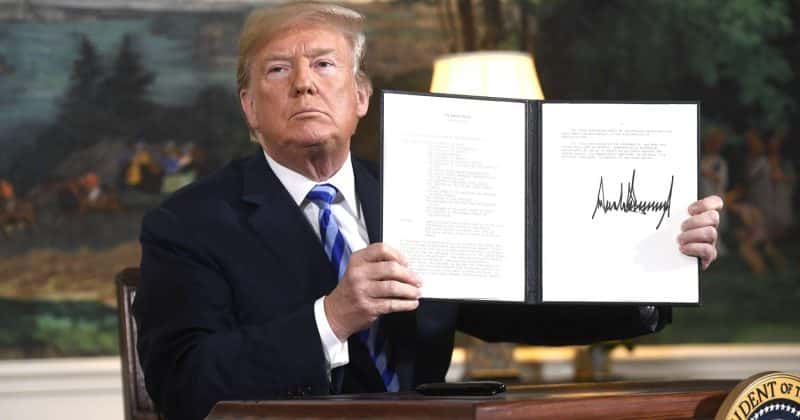
The original framework was struck in July 2025 and confirmed the following month, negotiated between European Commission President Ursula von der Leyen and then-President Donald Trump. Delays cropped up early in 2026 due to tariff policy uncertainties. The European Parliament’s trade committee gave its blessing on June 2, voting 31-6 with three abstentions. The full vote came in at 440 in favor versus 151 against.
The safety nets built into the agreement
The deal includes suspension clauses that kick in if the US fails to uphold its commitments. There’s also a sunset provision: the entire agreement terminates at the end of 2029 unless both sides agree to renew it.
Why crypto investors should pay attention
By capping tariffs and establishing a predictable trade framework, this deal removes one potential source of inflationary pressure. That’s broadly positive for Bitcoin and the wider digital asset market, which have increasingly traded in sync with macroeconomic sentiment over the past few years.
The deal commits the EU to significant energy purchases from the US, and energy prices are one of the primary drivers of inflation in Europe. If commodity prices rise for reasons unrelated to tariffs, those inflationary pressures could still materialize. Traders watching Bitcoin’s sensitivity to inflation data will want to track how these energy commitments play out in practice.
There’s also the question of the 2029 sunset clause. If renewal negotiations look rocky as 2029 approaches, expect the same kind of macro anxiety that characterized early 2026 to resurface.
Disclosure: This article was edited by Editorial Team. For more information on how we create and review content, see our Editorial Policy.







 English (US) ·