
 1 hour ago
10
1 hour ago
10
The European Central Bank just did something it hasn’t done in three years: raise interest rates. On June 11, the ECB unanimously voted to bump its key rates by 25 basis points, pushing the deposit facility rate to 2.25%, the main refinancing operations rate to 2.40%, and the marginal lending facility rate to 2.65%.
The numbers behind the optimism (and the caution)
Euro-area inflation is now expected to average 3.0% in 2026, revised upward from earlier estimates. That’s well above the ECB’s 2% target. The projections do forecast a gradual cooldown, with inflation expected to hit 2.3% in 2027 and finally reach the 2.0% target in 2028.
Growth, meanwhile, got a haircut. Real GDP in the euro zone is projected at just 0.8% for 2026, shaved down by 0.1 percentage points from the previous forecast. The longer-term trajectory looks slightly better, with 1.2% growth expected for 2027 and 1.5% for 2028.
ECB President Christine Lagarde noted that inflation pressures are “broadening throughout the economy.” She emphasized a cautious, meeting-by-meeting approach with no commitment to a predetermined rate path.
The Middle East factor
Ongoing tensions in the Middle East have driven fresh spikes in energy costs, and those spikes are bleeding into the ECB’s inflation calculus. Energy price shocks have a cascading effect across European economies, which remain more dependent on imported energy than the US. Higher energy costs don’t just raise utility bills — they inflate input costs for manufacturers, push up food prices, and generally make everything more expensive for businesses and consumers alike.
What this means for crypto and risk assets
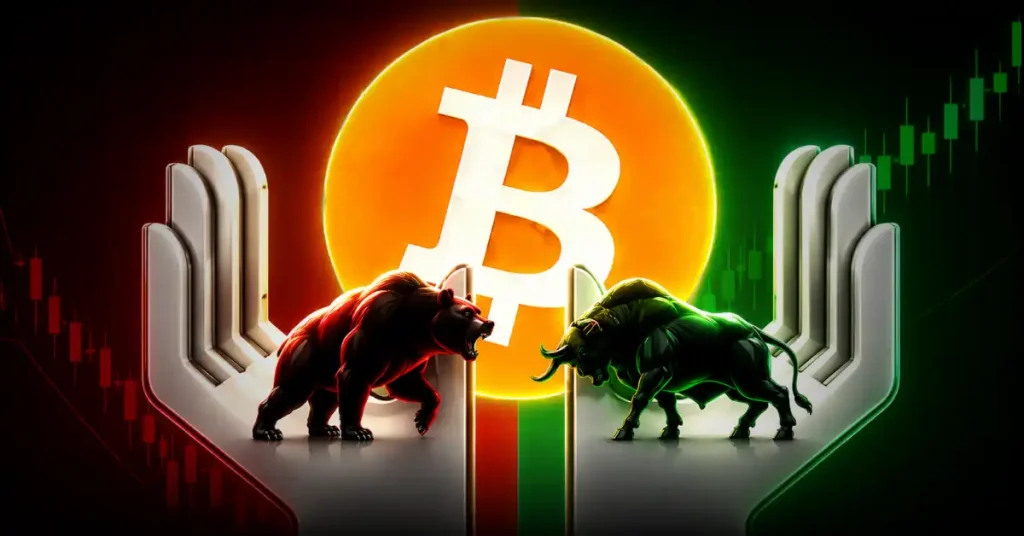
For crypto markets, the ECB’s rate hike introduces a familiar headwind. When you can earn 2.25% parking money in euro-denominated deposits with essentially zero risk, the opportunity cost of holding non-yielding assets goes up.
The euro-zone growth projections are already anemic at 0.8% for 2026. Lagarde’s refusal to commit to a rate path means markets will face heightened sensitivity to every inflation print, every energy price move, and every geopolitical development in the Middle East between now and the next ECB meeting.
Disclosure: This article was edited by Editorial Team. For more information on how we create and review content, see our Editorial Policy.



 English (US) ·