
 1 hour ago
12
1 hour ago
12
Wall Street was expecting relief. It got the opposite.
The Federal Reserve’s June FOMC meeting concluded with the central bank holding its federal funds rate at 3.5-3.75%, which was expected. What wasn’t expected was the updated set of projections that accompanied the decision, painting an inflation picture far uglier than most traders had priced in.
The Fed now forecasts headline PCE inflation at 3.6% for 2026 and core PCE at 3.3%. The median year-end rate projection in the dot plot sits near 3.8%, which in plain English means: the people who set interest rates think those rates are more likely to go up than down from here.
The inflation problem that cheap oil can’t fix
Oil prices have settled around $80 per barrel, normalizing to roughly pre-conflict levels after earlier geopolitical disruptions related to Iran. May’s CPI came in at 4.2% year-over-year, up from 3.8% in April, with a monthly increase of 0.5%. That’s the highest annual rate since 2023, and it arrived despite the energy tailwind that should have been pushing numbers in the other direction.
Fed Chair Kevin Warsh’s FOMC voted unanimously to hold rates steady, framing the decision around a commitment to price stability in the face of what the committee characterized as supply-side shocks.
What this means for crypto and risk assets
The market reaction was immediate and predictable. Stock prices fell, bond yields climbed, and the dollar strengthened on expectations that rates will stay elevated longer than previously anticipated.
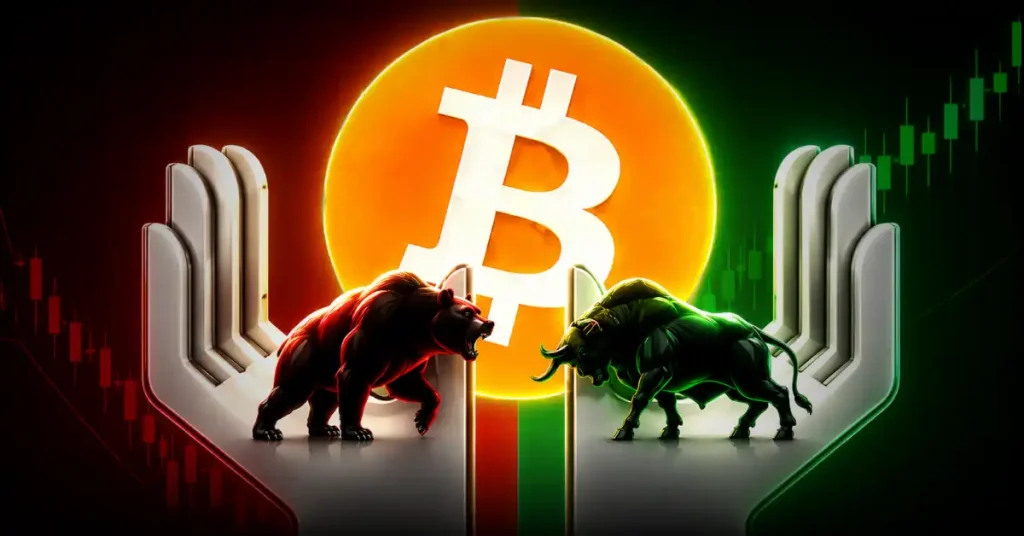
The correlation between Fed policy signals and digital asset prices has tightened considerably. Each hawkish surprise from the central bank has coincided with selling pressure in crypto markets. The labor market remains solid, with May payrolls growing by 172,000 jobs. A strong jobs market gives Warsh and the committee cover to keep rates elevated as long as inflation remains above their 2% target. With core PCE projected at 3.3%, that target is still a long way off.
The Warsh factor
Kevin Warsh’s leadership of the Fed marks a philosophical shift worth tracking. His emphasis on price stability above all else represents a contrast with previous market expectations, which had broadly assumed a more accommodative stance would emerge by mid-2026.
The dot plot tells the story. Instead of signaling rate cuts, the median projection near 3.8% suggests the committee sees its next move as potentially upward. Just a few months ago, futures markets were pricing in a reasonable probability of cuts by the second half of the year. Those bets are now underwater.
Disclosure: This article was edited by Editorial Team. For more information on how we create and review content, see our Editorial Policy.






 English (US) ·