
 1 hour ago
18
1 hour ago
18
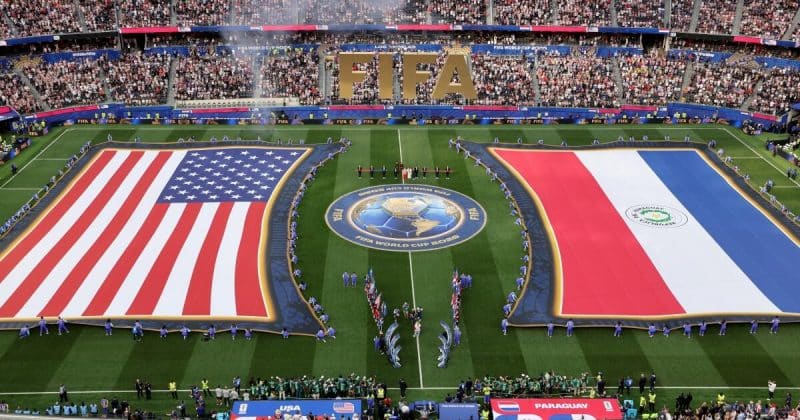
FIFA President Gianni Infantino walked into Iran’s dressing room after their 2-2 draw against New Zealand on June 16 and delivered a message that carried weight well beyond the pitch. The Group G opener at SoFi Stadium in Los Angeles was Iran’s first match of the 2026 World Cup, played under circumstances that made the result feel like something more than a point earned.
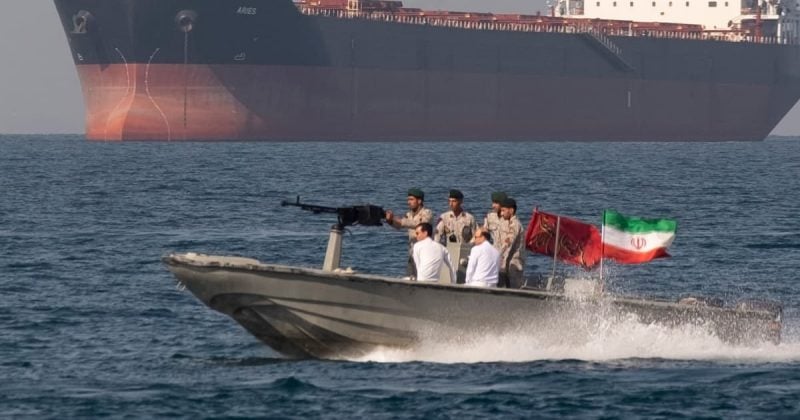
Some Iranian officials couldn’t even get into the country. Visa denials forced them to watch the match from Mexico, a consequence of the deeply strained geopolitical relationship between the US and Iran. Infantino, standing in the locker room, told the players they were “stronger than everything” and that they had sent “a strong message to the entire world.”
A World Cup where crypto sits courtside
Kraken, one of the largest cryptocurrency exchanges in the world, is an official sponsor of the tournament. FIFA itself has been telegraphing its interest in digital assets for months. Earlier in the year, the organization announced plans for a “FIFA token” and a “FIFA coin,” aimed at engaging its massive, globally distributed fanbase.
Neither Iran nor New Zealand currently have fan tokens listed on those major platforms. For a match that generated genuine emotional and geopolitical intrigue, there was no direct way for crypto-native fans to express that interest through token markets. No trading volume spike, no speculative action, no liquidity to speak of.
Why the Iran story is bigger than football
The visa situation for the 2026 tournament brought those tensions into sharp focus. Iranian officials being forced to watch their own team’s World Cup opener from across the border in Mexico is the kind of detail that sounds like fiction. It isn’t.
Infantino’s visit to the dressing room was, at minimum, a diplomatic gesture. At most, it was FIFA’s president publicly acknowledging that some teams face obstacles that have nothing to do with tactics or fitness.
For the crypto market, the geopolitical dimension adds complexity. Sanctions regimes directly affect which populations can access digital asset platforms, exchanges, and tokenized products. Iranian fans, even if fan tokens existed for their national team, would face significant barriers to purchasing or trading them on most compliant exchanges. Kraken, as a US-based sponsor, operates under strict sanctions compliance.
What this means for crypto investors watching the World Cup
Kraken’s sponsorship is the headline, but the underlying trend is broader. FIFA’s planned token launch, whenever it materializes, would create a new asset class tied to the most-watched sporting event on Earth.
Fan tokens for clubs like Paris Saint-Germain and FC Barcelona on Socios have historically seen volume spikes tied to transfer windows, match results, and tournament runs.
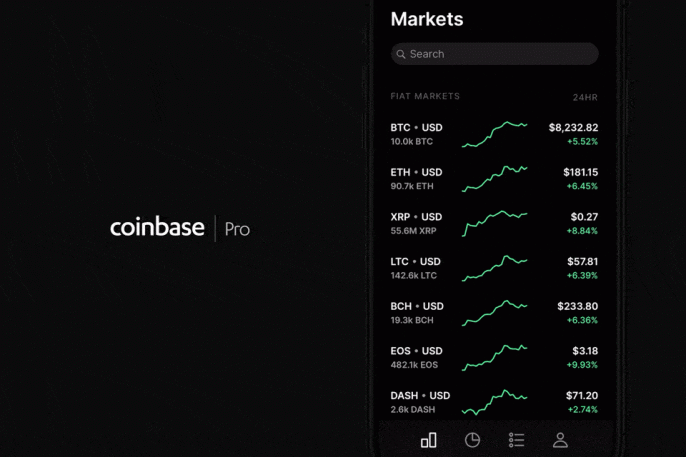
Kraken’s positioning as a World Cup sponsor also reinforces a broader narrative about crypto exchanges seeking legitimacy through traditional sponsorship channels. Coinbase had the Super Bowl. Crypto.com has the UFC and Formula 1. Kraken now has the World Cup.
FIFA’s token plans are still largely conceptual. Investors should watch for concrete timelines on the FIFA token rollout and any announcements about which platforms will support it.
Disclosure: This article was edited by Editorial Team. For more information on how we create and review content, see our Editorial Policy.

 English (US) ·