
 3 hours ago
14
3 hours ago
14
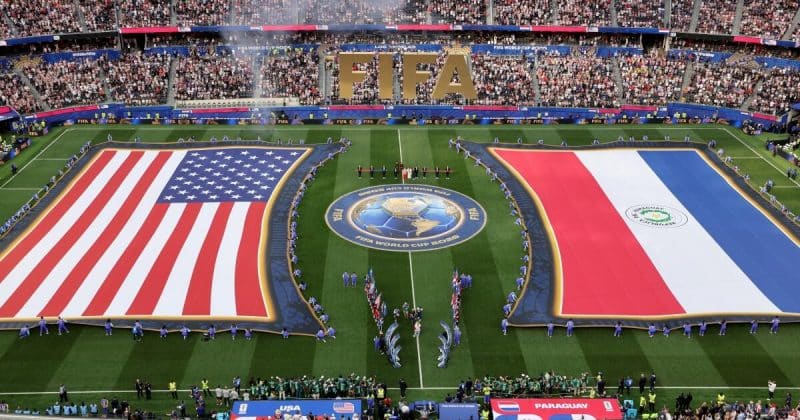
Football Supporters Europe, the continent’s largest fan advocacy group, has accused FIFA of having “lost control of their ticketing” for the 2026 World Cup. The criticism centers on a lack of fan segregation at venues, but that’s just one thread in a much larger tapestry of ticketing dysfunction, one that now extends into the blockchain space.
The problems started well before any balls were kicked. In early June 2026, FIFA was forced to cancel tickets for approximately 60 fans after a website checkout error allowed purchases that shouldn’t have gone through. Another 461 tickets were flagged for fraudulent activity.
App malfunctions, last-minute seat category downgrades, and visa-related travel barriers compounded the frustration. Fans who thought they’d secured prime seats found themselves shuffled to lesser categories without clear explanation.
Then came the dynamic pricing. Tickets for the World Cup final at MetLife Stadium spiked to $11,000 per seat. The price surge was severe enough to prompt investigations by state attorneys general.
Fan segregation, the practice of keeping rival supporter groups physically separated inside stadiums, is a safety measure that’s been standard at major football tournaments for decades. Football Supporters Europe’s criticism that FIFA has abandoned this practice for 2026 suggests the organization is prioritizing revenue optimization over basic crowd management principles.
FIFA’s blockchain bet: Avalanche collectibles and Kraken partnership
FIFA launched FIFA Collect, a system offering “Right-to-Ticket” digital collectibles built on Avalanche’s Layer-1 blockchain. The concept is straightforward: buy a digital collectible, and it grants you access to purchase actual match tickets. The stated goal was to reduce scalping and streamline ticket access by creating a verifiable, on-chain record of ownership. Collectibles are priced between $999 and $1,990.
Over 60,000 ticket-related transactions have already taken place on the Avalanche network through this system. Meanwhile, Kraken has been named the official crypto exchange partner of the 2026 World Cup.
Reports of poor user experience on the FIFA Collect platform mirror the broader ticketing chaos.
Scammers smell blood
Scammers launched fake RTB-style NFT tickets designed to mimic FIFA’s legitimate collectibles. TRM Labs, the blockchain intelligence firm, identified schemes that exploited fan desperation, including one operation that collected around $1,562 from victims.
What this means for crypto investors
For Avalanche holders, the FIFA partnership represents meaningful real-world transaction volume on the network. Over 60,000 transactions is not nothing, and the association with the world’s biggest sporting event provides brand visibility that money typically can’t buy. But the negative press surrounding FIFA’s broader ticketing failures risks tainting the blockchain angle by association.
Kraken’s official exchange partnership is a significant marketing win, particularly as the exchange competes with Coinbase and Binance for mainstream recognition. World Cup sponsorships reach demographics that crypto exchanges struggle to access through traditional digital marketing.
If fake World Cup NFTs proliferate without effective enforcement, it strengthens the case for regulators to impose stricter rules on digital collectible platforms.
Disclosure: This article was edited by Editorial Team. For more information on how we create and review content, see our Editorial Policy.



 English (US) ·