
 2 hours ago
21
2 hours ago
21
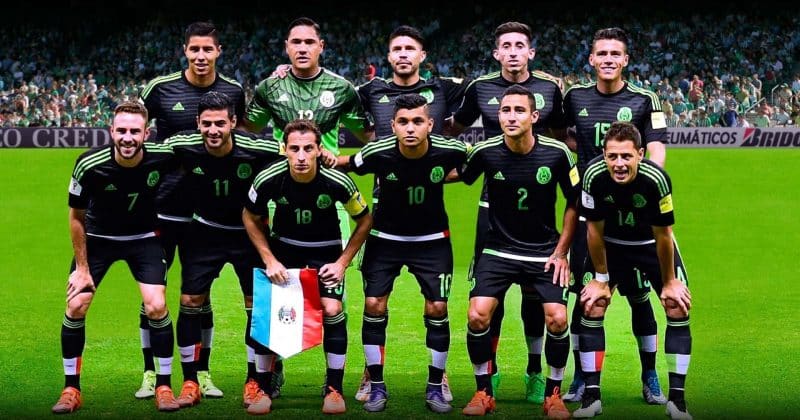
The 2026 FIFA World Cup is one game old and already approaching the disciplinary record of its predecessor. Three red cards were shown during the opening match between Mexico and South Africa on June 11, just one shy of the four total red cards issued across the entire 2022 tournament in Qatar.
That is not a typo. One match. Three ejections. The 2022 World Cup needed 64 games to produce four.
A chaotic opener sets the tone
Mexico handled South Africa 2-0 in the tournament’s curtain-raiser, but the scoreline tells only part of the story. Brazilian referee Wilton Sampaio had a busy evening, reaching for the red card three separate times.
South Africa’s Yaya Sithole was the first to go, dismissed in the 49th minute. His teammate Themba Zwane followed him down the tunnel in the 84th minute, leaving South Africa to see out the final stretch with nine men.
Mexico didn’t escape unscathed either. César Montes picked up a red card deep into injury time at 90+2, ensuring the chaos was distributed across both sides of the pitch.
Kraken enters the World Cup arena
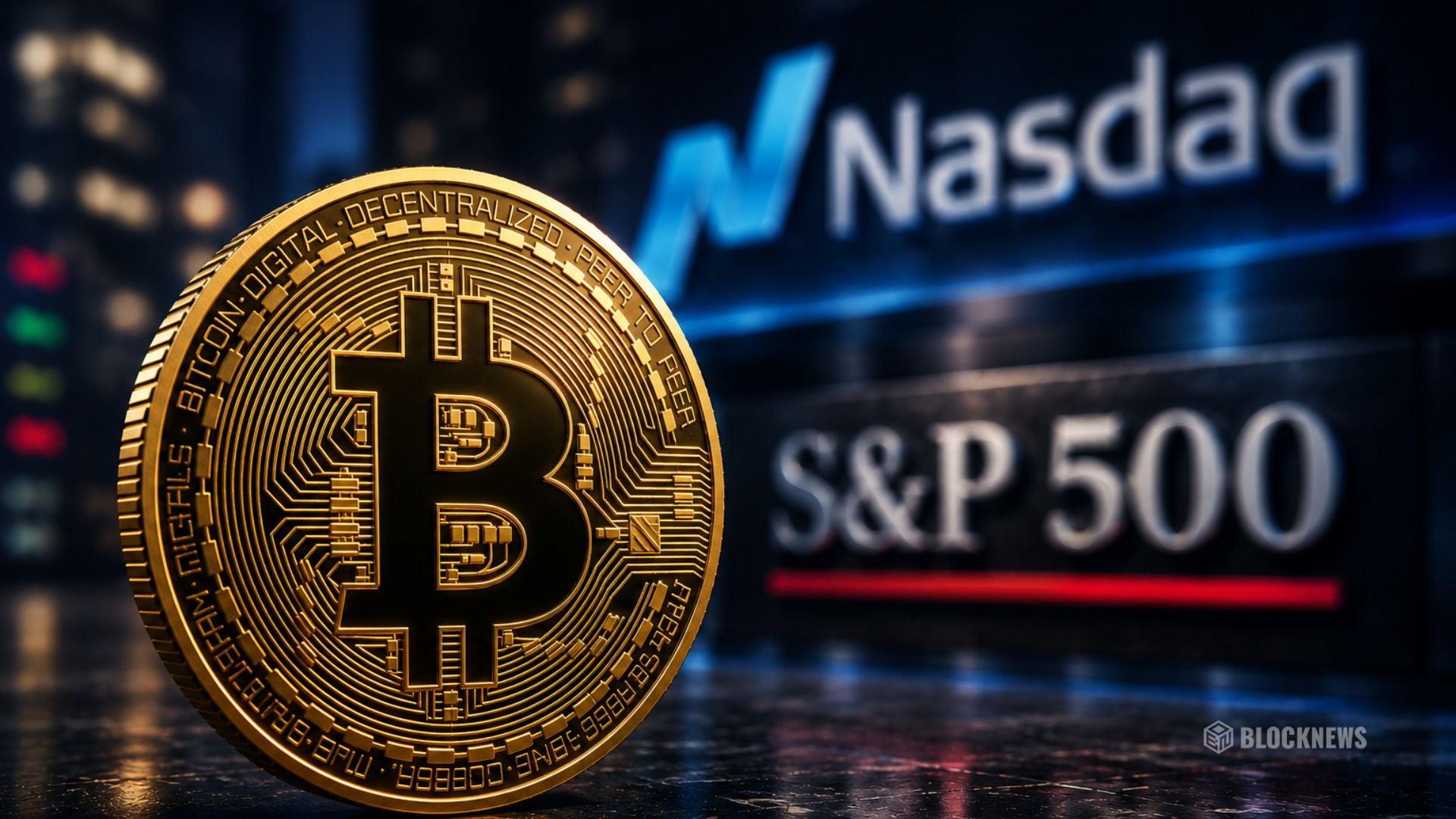
While red cards dominated the on-pitch narrative, a different kind of debut was happening off the field. Kraken, the major US-based cryptocurrency exchange, was announced on June 9 as the Official Crypto Exchange Supporter of FIFA World Cup 2026.
Here’s the thing: crypto companies have been chasing sports partnerships for years. FTX slapped its name on an NBA arena before imploding spectacularly. Crypto.com bought naming rights to the former Staples Center. But a FIFA World Cup partnership carries a different weight entirely, because the audience is genuinely global rather than concentrated in US markets.
What this means for crypto investors
No official FIFA-issued token exists for the 2026 tournament. That detail matters because it tempers some of the speculative energy that typically surrounds major sporting events in crypto circles.
But the absence of an official token does not mean the market stays quiet. Fan tokens, particularly those built on the Chiliz blockchain, have historically seen activity spikes during major international football tournaments. National team tokens tend to attract trading volume as fans look for ways to engage beyond just watching.
The pattern from past tournaments is fairly consistent. Token prices for competing nations often see short-term pumps leading into matches, followed by volatility tied to results. A team wins, its fan token gets a bump. A team gets eliminated, the token deflates.
Disclosure: This article was edited by Editorial Team. For more information on how we create and review content, see our Editorial Policy.


 English (US) ·