
 3 hours ago
13
3 hours ago
13
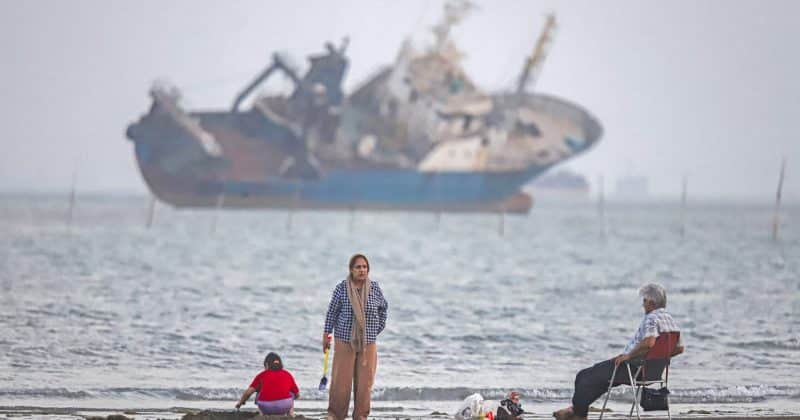
India called in the top US diplomat in New Delhi for the second time in three days after American military strikes hit commercial vessels carrying Indian sailors in the Gulf of Oman. The Palau-flagged tanker Settebello, crewed by 24 Indian nationals, was struck on June 10, leaving three sailors dead or missing and 21 rescued.
The summoning of US Chargé d’Affaires Jason Meeks represents a rapid deterioration in tone between two countries that have spent years carefully cultivating a strategic partnership. India’s Ministry of External Affairs called the attacks “deeply worrisome” and pressed for immediate de-escalation.
What happened in the Gulf of Oman
The US Central Command carried out strikes against vessels it says were violating an American-led blockade targeting Iranian oil transportation. The Settebello was one of at least two ships involved, alongside the MT Marivex.
Indian statements have not included any reported expression of regret from US officials regarding the attacks.
The broader geopolitical picture
The strikes are part of an escalating US military posture in the Middle East tied to Iranian oil exports. The Gulf of Oman sits at the mouth of one of the world’s most critical energy chokepoints, the Strait of Hormuz, through which roughly a fifth of the world’s oil supply passes daily.
India walks a careful line in Middle Eastern geopolitics. It maintains strong energy ties with Gulf states and Iran while simultaneously deepening defense cooperation with the US.
The situation also raises questions about the legal framework governing blockade enforcement against commercial shipping under international maritime law. Tankers flagged to third-party nations like Palau, crewed by Indian nationals, and potentially carrying Iranian cargo create a jurisdictional tangle that no single country’s rules of engagement can cleanly resolve.
What this means for crypto investors
There’s no direct crypto angle to the diplomatic protests themselves. No tokens were mentioned, no protocols were implicated, and no digital asset infrastructure was involved in the incidents.
Disclosure: This article was edited by Editorial Team. For more information on how we create and review content, see our Editorial Policy.





 English (US) ·