
 2 months ago
49
2 months ago
49
- Intesa Sanpaolo reportedly invested $26 million into Grayscale’s XRP ETF through 712,319 shares.
- The banking group’s broader crypto ETF exposure has grown from $100 million to roughly $235 million.
- Intesa reduced Solana exposure while maintaining a positive long-term outlook on crypto and Ethereum-related products.
Italian banking giant Intesa Sanpaolo appears to be leaning even deeper into crypto markets after reportedly adding significant exposure to Ripple’s XRP through Grayscale’s XRP ETF product. According to reports from Criptovaluta.it, the banking group held roughly 712,319 shares of the Grayscale XRP Trust ETF as of March 31, 2026, giving the position an estimated value of around $26 million at current market prices. It’s another clear sign that traditional financial institutions are becoming increasingly comfortable with digital assets, even during periods of heavy market uncertainty.
This latest move builds on Intesa Sanpaolo’s earlier crypto expansion throughout late 2025. Back in the fourth quarter, the banking group had already disclosed exposure to multiple U.S.-listed crypto ETFs tied to Bitcoin, Ethereum, and Solana. At the time, those positions were reportedly valued around $100 million combined. Since then, rising crypto prices have significantly boosted the value of those holdings, with total exposure now estimated near $235 million based on current market conditions.
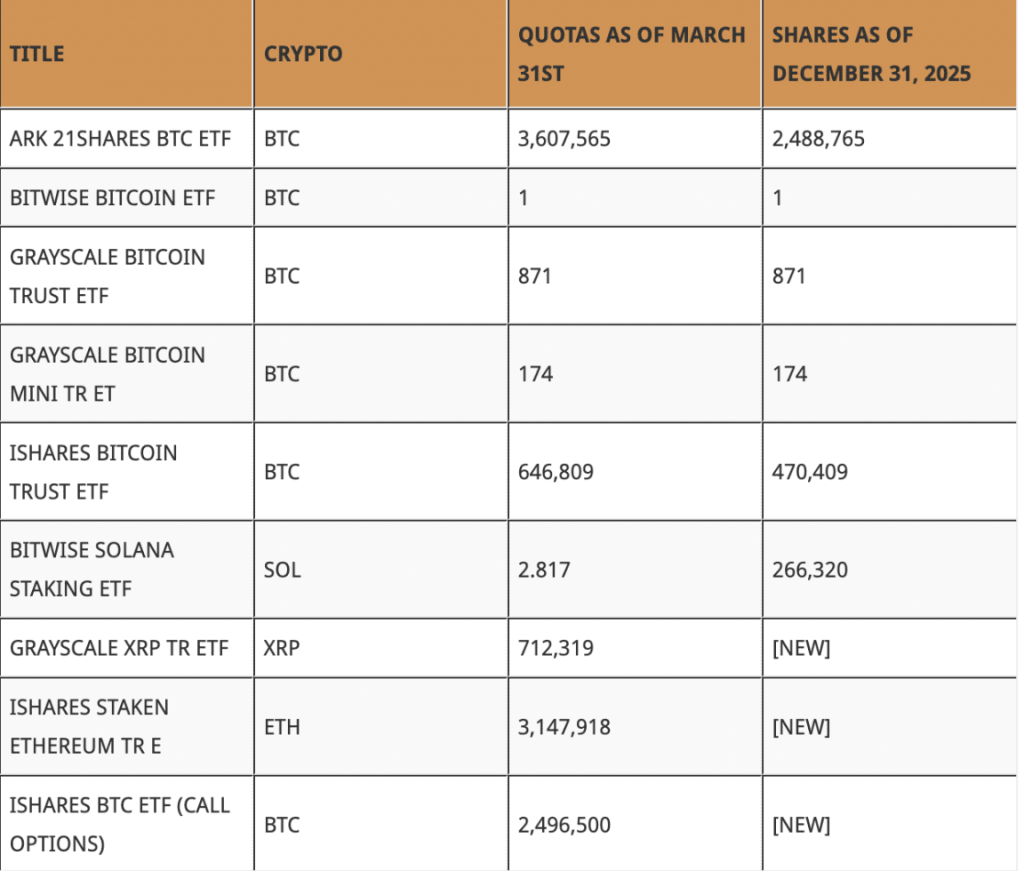
Banking Giant Continues Building Crypto Portfolio
Most of Intesa Sanpaolo’s crypto investments are currently structured through ETFs rather than direct token ownership. That approach allows the bank to gain exposure to digital assets while operating within more familiar institutional investment frameworks. According to the reports, these holdings are still being used strictly for proprietary trading purposes, meaning the bank is investing for its own internal strategies rather than managing crypto positions for clients, at least for now.
Even so, the scale of the exposure is hard to ignore. For a traditional European banking institution, allocating hundreds of millions of dollars toward crypto-linked products signals a broader shift in how large financial firms are viewing the sector. The market isn’t being treated purely as speculation anymore. It’s increasingly becoming part of institutional portfolio strategy, even if cautiously.
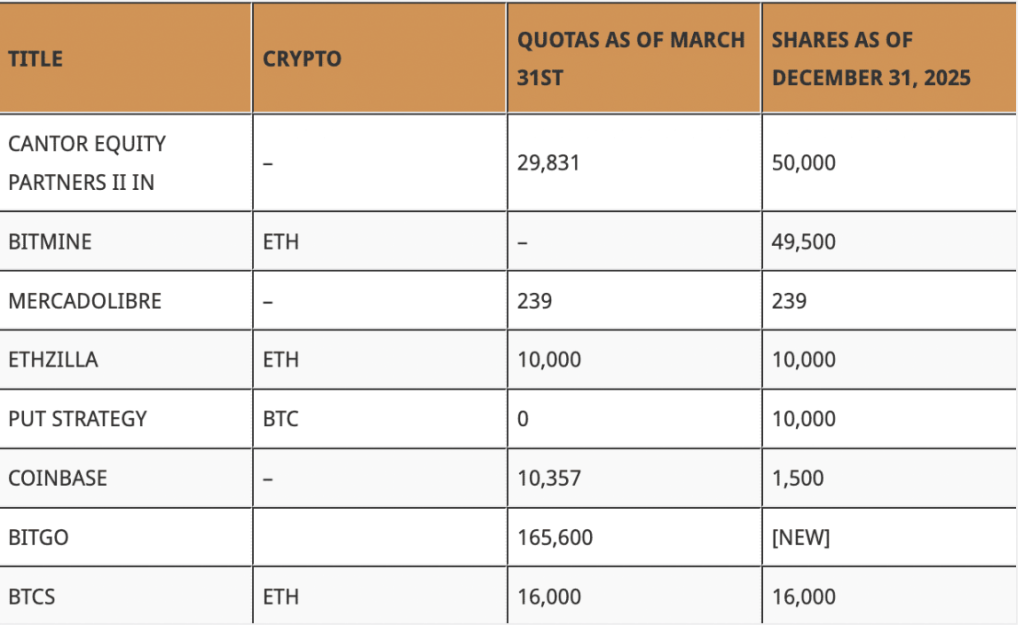
Solana Exposure Shrinks While Ethereum Gains Attention
Interestingly, Intesa Sanpaolo also appears to be reducing its exposure to Solana. That decision likely reflects SOL’s weaker performance during the first quarter of 2026, when the asset struggled to maintain bullish momentum alongside broader market volatility. Solana reportedly dropped from around $124 at the beginning of the year to nearly $81 by the end of March, placing the token under sustained selling pressure for much of the quarter.
At the same time, Ethereum’s growing institutional appeal, particularly due to staking-related yield opportunities, seems to have strengthened the bank’s overall confidence in crypto investments. Ethereum products continue attracting institutional interest globally because they offer both asset exposure and potential yield generation, something traditional finance firms are paying increasingly close attention to.
The reshuffling didn’t stop there either. Reports indicate Intesa Sanpaolo adjusted several crypto-related equity positions as well, adding exposure to BitGo while exiting holdings tied to Bitmine. The bank also reportedly closed its Put Strategy position, further signaling a broader rebalancing effort across its digital asset portfolio.
2026 Continues Testing Crypto Markets
All of these portfolio changes are happening during what has already become a highly turbulent year for global financial markets. Crypto, in particular, has been hit from several directions at once. Rising geopolitical tensions in the Middle East, renewed tariff shocks tied to Donald Trump’s policies, Federal Reserve rate decisions, and slowing macroeconomic conditions have all contributed to sharp swings in sentiment across digital assets.
On top of that, security concerns continue weighing heavily on the industry. Crypto-related exploits and scams surged throughout 2026, adding even more pressure to an already unstable market environment. Earlier reports showed that total crypto losses for the year approached nearly $770 million by May alone, with more than $600 million lost during roughly 30 separate incidents in April. That level of damage has made institutional investors far more selective about where they place capital.
Still, despite the volatility and risks, Intesa Sanpaolo’s growing crypto exposure suggests some traditional financial institutions remain confident that digital assets will continue playing a larger role in global finance moving forward. The approach may be cautious, but it’s definitely becoming harder to ignore.
Disclaimer: BlockNews provides independent reporting on crypto, blockchain, and digital finance. All content is for informational purposes only and does not constitute financial advice. Readers should do their own research before making investment decisions. Some articles may use AI tools to assist in drafting, but every piece is reviewed and edited by our editorial team of experienced crypto writers and analysts before publication.









 English (US) ·