
 1 hour ago
22
1 hour ago
22
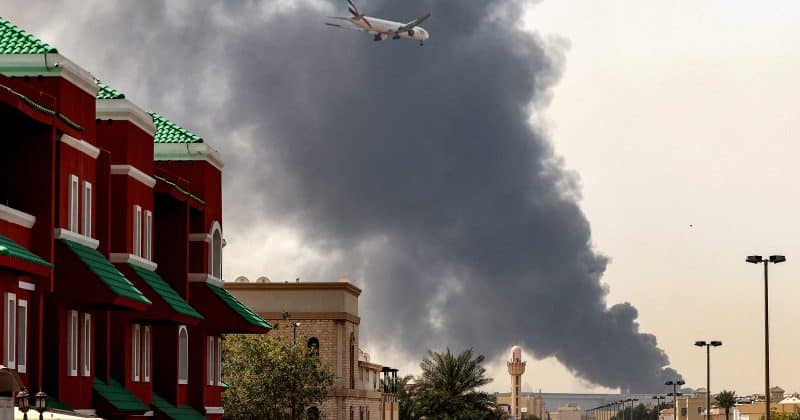
Iraq is pressing Iran to reopen the Strait of Hormuz and lift maritime blockades that have choked one of the most important oil chokepoints on the planet. The diplomatic push comes after months of disruptions that have rattled global energy markets and introduced Bitcoin into the world of supertanker tolls.
The Strait of Hormuz handles roughly 20% of the world’s seaborne oil trade. Before the crisis, that meant about 20 million barrels per day flowing through a narrow waterway between Iran and the Arabian Peninsula.
How we got here
The crisis traces back to the US-Iran conflict that reignited on February 28, 2026. Iran began restricting transit through the Strait in early March as a response to US and Israeli military actions. Iraq’s Rumaila oil field experienced shutdowns in early March due to transit disruptions. The US escalated further in mid-April by enforcing a naval blockade on Iranian ports. A key turning point came on June 18, 2026, when the US lifted its blockade. Initial tanker movements resumed under a tentative deal where Iran temporarily agreed not to charge for transit.
The Bitcoin toll booth
Iran has proposed charging approximately $1 per barrel for tanker passage through the Strait. At over 2 million barrels per supertanker, that translates to potentially over $2 million per supertanker transit. Iran wants those fees paid in Bitcoin or stablecoins.
Iraq’s negotiations with Iran have also explored alternative routes to reduce dependence on the Strait entirely. Options on the table include routing exports through Iraq’s Umm Qasr port and the Kirkuk-Ceyhan pipeline, which connects Iraqi oil fields to Turkey’s Mediterranean coast.
What this means for investors
At pre-crisis shipping levels of 20 million barrels per day, a fully operational toll could theoretically generate $20 million daily in crypto-denominated revenue.
The agreement between Iran, Iraq, and the US remains tentative. Any breakdown in negotiations could re-close the Strait, spike oil prices, and create cascading effects across both traditional and digital asset markets.
Stablecoin issuers face immediate questions if Iran accepts stablecoins alongside Bitcoin. Tether and Circle have both cooperated with US law enforcement in the past, and whether that cooperation extends to blocking toll payments for a strategic waterway is a question the current situation makes directly relevant.
Disclosure: This article was edited by Editorial Team. For more information on how we create and review content, see our Editorial Policy.




 English (US) ·