
 2 hours ago
11
2 hours ago
11
- NFT creators argue royalties are critical for long-term project sustainability
- Many brands reportedly pulled back once marketplace royalties started collapsing
- The debate reflects a broader shift from speculation toward building lasting digital brands
One of the most uncomfortable truths inside the NFT industry is that many serious brands quietly lost interest the moment creator royalties started disappearing. During the last cycle, companies entered Web3 believing blockchain technology could finally create sustainable digital ownership models where creators continued earning as ecosystems grew. Then marketplace wars happened, fees collapsed, and the economics changed almost overnight.
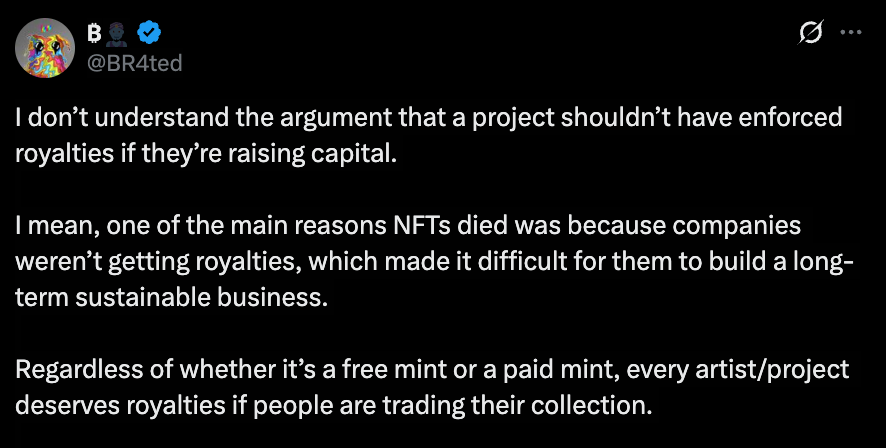
Influencer BR4ted recently pushed that conversation back into focus, arguing that NFT projects cannot realistically build long-term businesses if communities expect endless development while simultaneously rejecting creator royalty systems that help fund it all. Honestly, a lot of companies probably reached that same conclusion privately months ago.
NFT Royalties Were Supposed To Change Digital Ownership
Part of what originally made NFTs exciting was the idea that creators could finally participate continuously in the success of their work. Smart contracts allowed artists, brands, musicians, gaming studios, and developers to automatically earn a percentage from secondary market sales as communities expanded over time.
That created a much stronger incentive structure for experimentation. Projects could reinvest into games, events, storytelling, merchandise, licensing, and community growth while maintaining recurring revenue tied directly to ecosystem activity.
For a while, it looked like Web3 had finally solved one of the internet’s oldest problems: creators building value while platforms captured most of the upside.
Then marketplace competition shifted the entire dynamic.
Web3 Slowly Optimized For Traders Instead Of Builders
As NFT trading volume exploded during the boom cycle, marketplaces began aggressively competing on fees. Royalties gradually became optional, then increasingly ignored altogether on several major platforms.
The result was predictable. Markets optimized around short-term flipping activity rather than long-term brand development. Traders benefited from lower transaction costs, but creators suddenly lost one of the core economic incentives that originally attracted them to NFTs in the first place.
And once that happened, many serious businesses quietly started reassessing whether Web3 still made financial sense long term. Why commit years building community-driven ecosystems if the revenue mechanisms supporting ongoing development disappear the moment marketplaces decide volume matters more than sustainability?
That tension still hasn’t fully been resolved.
The Next NFT Cycle Looks Very Different Already
Interestingly, the NFT market now appears to be slowly shifting back toward healthier fundamentals after the speculation-heavy chaos of previous cycles cooled down. Collectors are becoming far more selective, while stronger projects increasingly focus on intellectual property, storytelling, entertainment, physical products, and broader cultural identity instead of pure speculation alone.
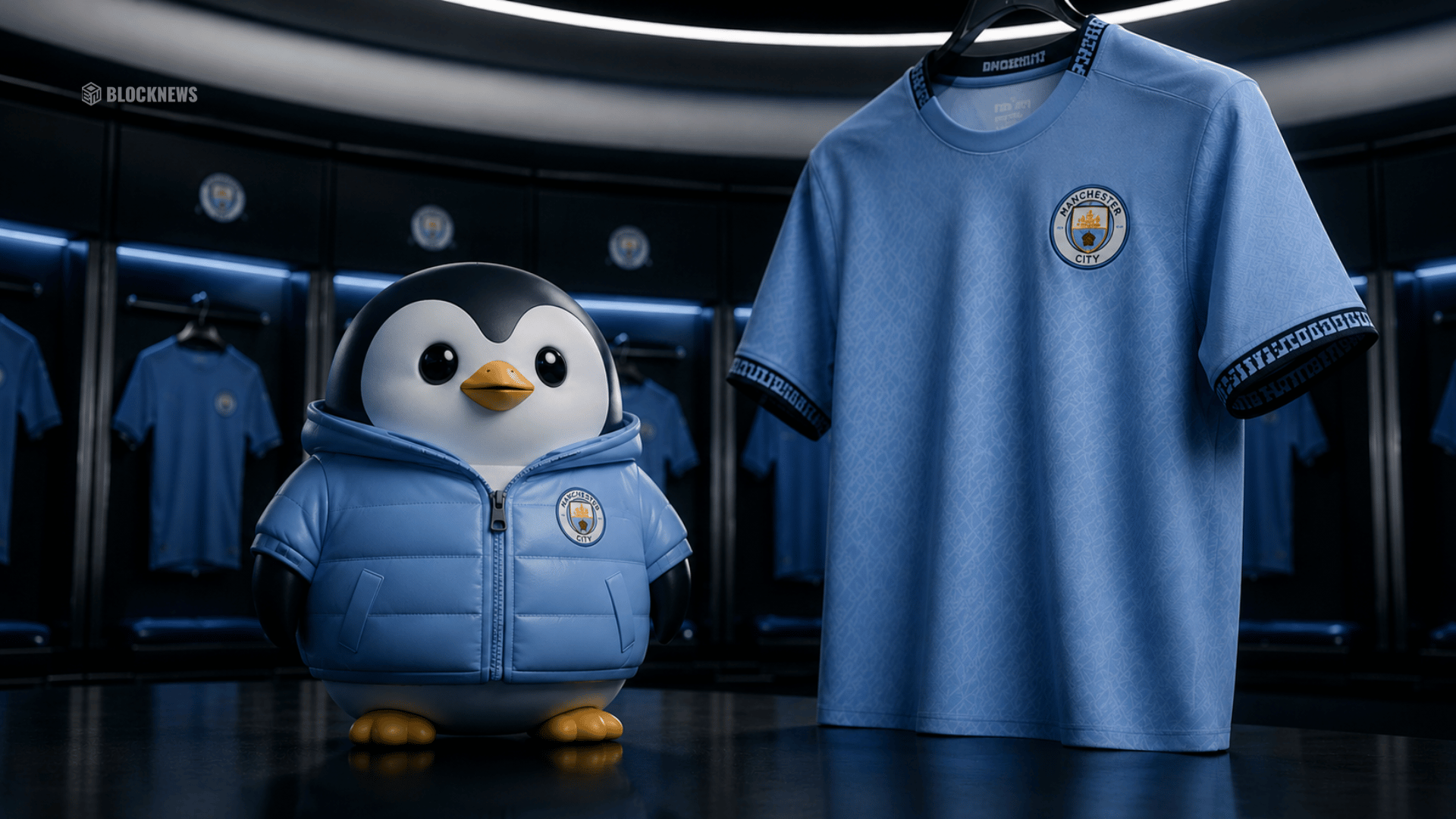
Projects like Pudgy Penguins and Azuki increasingly resemble entertainment brands or consumer ecosystems more than simple collectible assets. That evolution changes the conversation around royalties too.
The question is no longer whether every random profile picture collection deserves permanent fees forever. It’s whether sustainable creator incentives are necessary for building digital brands capable of surviving for years instead of months.
And realistically, most durable brands require constant reinvestment, experimentation, and community engagement over long periods of time. That’s difficult to sustain if the underlying economics only reward marketplaces and short-term traders.
Serious Brands Need Sustainable Economics
One of the bigger lessons from the NFT market’s last cycle is that mainstream adoption probably will not happen through endless speculative flipping alone. Long-term success likely depends more on creators building recognizable intellectual property, strong communities, and useful digital experiences people actually care about beyond price action.
For that to work consistently, though, the business model probably needs to make sense for builders too. Otherwise, many established brands will simply continue treating Web3 as an interesting experiment rather than a serious long-term strategy.
Royalties may not completely solve that problem by themselves. But they do represent one of the few mechanisms blockchain introduced that directly aligned creators with the long-term growth of their ecosystems.
And if the NFT industry genuinely wants stronger brands, better products, and deeper communities during the next cycle, it may eventually need to rediscover why that mattered in the first place.
Disclaimer: BlockNews provides independent reporting on crypto, blockchain, and digital finance. All content is for informational purposes only and does not constitute financial advice. Readers should do their own research before making investment decisions. Some articles may use AI tools to assist in drafting, but every piece is reviewed and edited by our editorial team of experienced crypto writers and analysts before publication.



 English (US) ·