
 3 hours ago
15
3 hours ago
15
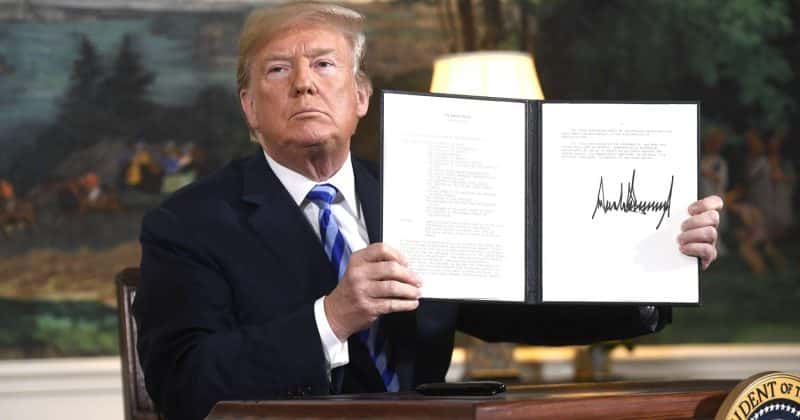
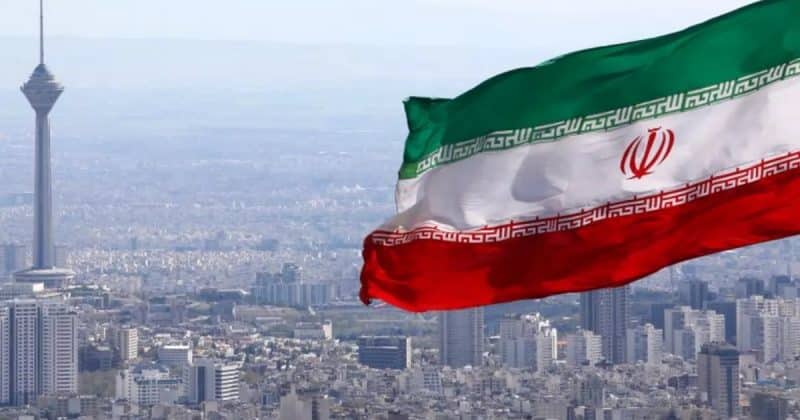
Qatar has brokered an agreement between the US and Iran after weeks of intensive diplomacy. The implications extend beyond traditional foreign policy, with crypto markets already pricing in the de-escalation.
Qatari mediators arrived in Tehran on June 14 for intensive negotiations aimed at bridging the remaining gaps between Washington and Tehran. The result is a proposed agreement that covers reopening the strategic Strait of Hormuz, addressing nuclear concerns, and facilitating the release of Iranian frozen assets estimated between $12 billion and $25 billion.
What’s in the deal
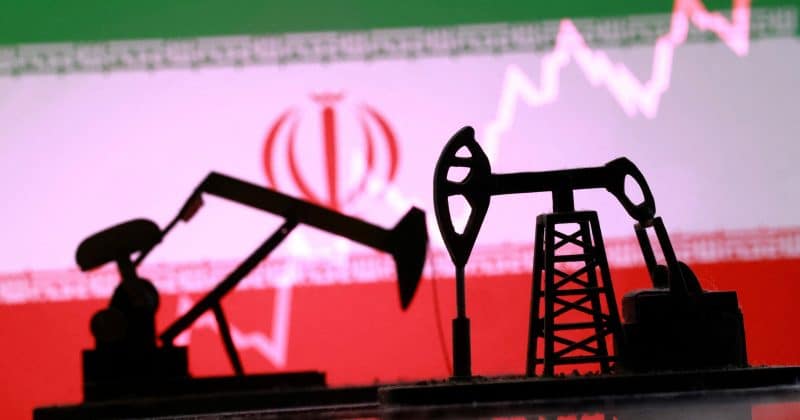
The Strait of Hormuz is one of the most important chokepoints in global energy markets. Roughly a fifth of the world’s petroleum passes through it on any given day.
The agreement also includes an extension of a ceasefire and provisions related to Iran’s nuclear program. Pakistan has joined Qatar in the mediation efforts, building on preliminary discussions that began in 2025.
A formal or electronic signing of the agreement is expected around June 2026, likely in Geneva.
Crypto markets are paying attention
Bitcoin climbed to around $64,000 to $65,000 as progress in the negotiations became public.
Even as diplomatic channels opened wider, Washington sanctioned Nobitex, Iran’s largest digital asset exchange. The US has also seized approximately $1 billion in Iranian-linked digital assets.
The sanctions angle matters more than you think
The seizure of $1 billion in Iranian-linked digital assets and the sanctions on Nobitex signal that even as broader geopolitical tensions ease, the US intends to maintain its grip on Iranian crypto infrastructure. Targeting a foreign exchange platform as part of a broader diplomatic strategy sets a precedent for how governments can weaponize crypto-specific sanctions as a negotiating tool rather than just a punitive measure.
Disclosure: This article was edited by Editorial Team. For more information on how we create and review content, see our Editorial Policy.



 English (US) ·