
 2 hours ago
20
2 hours ago
20
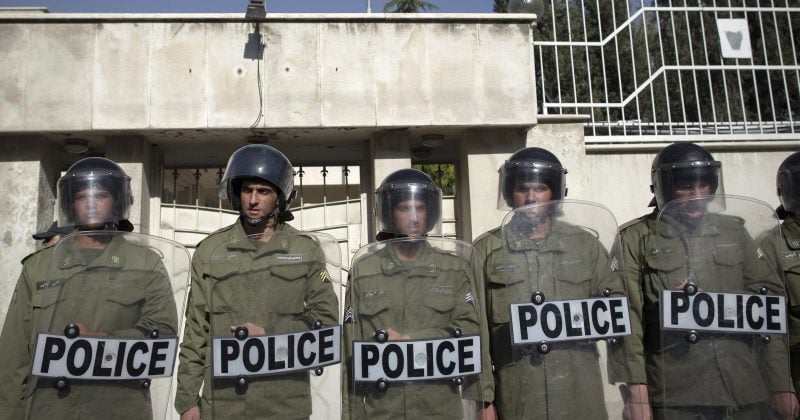
S&P Global posted adjusted earnings per share of $4.83 for the second quarter of 2026, missing Bloomberg’s consensus estimate of $4.93. The culprit: an ongoing conflict between the US and Iran that has thrown a wrench into the company’s energy data and analytics business, specifically around contract renewals and pricing.
Shares dropped as much as 7.7% during intraday trading on July 28, marking S&P Global’s worst single-day decline since February 10. Revenue came in at roughly $4.15 billion, representing a 10% year-over-year increase and slightly beating estimates of around $4 billion.
CEO Martina Cheung pointed directly to the Iran conflict during the earnings call, explaining that it has complicated large customer contract renewals in the Energy division. S&P Global responded by adopting more flexible pricing and contract structures for affected customers.
S&P Global now expects 2026 adjusted diluted EPS in the range of $17.50 to $17.75. Analysts had been modeling $18.67. That’s roughly a 5% haircut to expectations.
Ratings business keeps the lights on
The Ratings segment posted 17% revenue growth year over year. The driver behind that growth is hyperscaler debt issuance tied to AI infrastructure buildouts. S&P Global projects $250 to $300 billion in debt issuance from major cloud and AI companies, all of which needs to be rated, structured, and monitored.
The key variable going forward is whether the US-Iran conflict escalates or stabilizes. A de-escalation would likely allow S&P Global to restore normal pricing in its Energy contracts and potentially raise guidance back toward consensus. An escalation would mean more quarters like this one, as contract deferrals turn into cancellations.
Disclosure: This article was edited by Editorial Team. For more information on how we create and review content, see our Editorial Policy.



 English (US) ·